








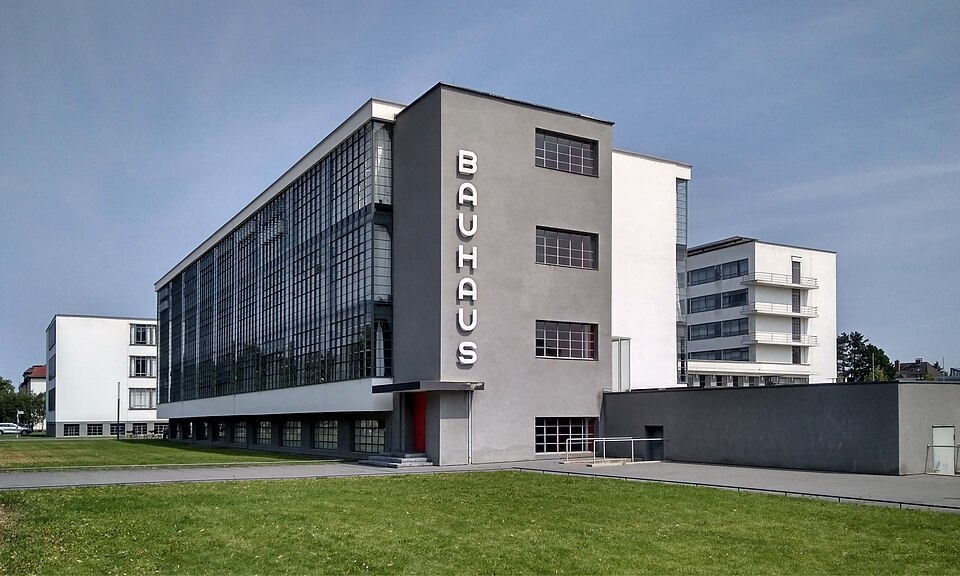
The European Commission has recognised 13 projects from across Europe and beyond in the 2026 New European Bauhaus (NEB) Prizes, celebrating initiatives that
combine environmental sustainability, social inclusion and innovative design to improve the places where people live.
The winners represent several EU member states, Ukraine and North Macedonia, alongside international entries from Japan and Brazil. Now in its sixth edition, the competition highlights practical ideas that bring together architecture, culture, technology and community participation to create more attractive, accessible and environmentally responsible living environments.
The 2026 awards feature two main categories: New European Bauhaus Champions, recognising established projects, and New European Bauhaus Rising Stars, which supports promising ideas and initiatives developed by younger applicants. This year's programme also introduces a special award for water resilience and, for the first time, international prizes for projects from Japan and Brazil.
In a parallel initiative, 20 small municipalities received the NEB Boost for Small Municipalities award, recognising the contribution of local communities to building a greener and more inclusive future. The programme is supported by a European Parliament pilot project.
Each winning project will receive financial support of up to €20,000, alongside communications assistance, mentoring and tailored coaching designed to increase its visibility and help it develop further.
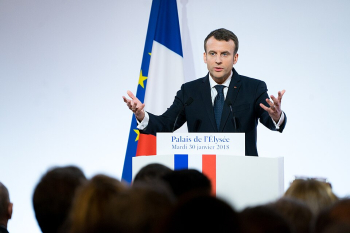
European Commission President Ursula von der Leyen said the competition had showcased European creativity in building a sustainable and inclusive future over the past six years. She also highlighted the importance of the new water resilience award, stressing the need to improve the management of water resources, while the international prizes demonstrate that the initiative's principles extend well beyond Europe.
Projects combine environmental innovation with community benefits
Among the winners in the New European Bauhaus Champions category is France's Circular by Nature, an urban initiative built around resource efficiency, waste reduction and community participation.
Germany's Big People project uses a circus carnival to bring together local children and children with refugee backgrounds, encouraging interaction and social inclusion through shared creative activities.
In Ukraine, the Therapeutic Garden at VDNG provides a restorative public environment for Ukrainian defenders, veterans and other people seeking recovery. The project illustrates how green spaces can contribute to well-being and strengthen community support.
Cyprus was recognised for the Social Impact Generator Hub, which has repurposed a shipping container in Nicosia into a space for inclusive innovation. The initiative operates in a city that remains Europe's last divided capital, using a small-scale facility to encourage new ideas and social engagement.
Spain's La Marjal Floodable Urban Park in Alicante received the public vote in this category. The park incorporates natural wetland systems that absorb excess stormwater, helping reduce flood risks while providing an attractive public landscape for residents.
Young innovators propose new approaches to urban life
The New European Bauhaus Rising Stars category recognises emerging initiatives with the potential to reshape communities through creative and sustainable solutions.
Belgium's Coots as Partners in Circular Care introduces specially designed floating platforms that provide safe breeding areas for waterbirds along urban canals. The project combines biodiversity protection with the improvement of urban waterways.
In North Macedonia, Traviata in Three Acts has transformed a neighbourhood in Skopje through a community-focused urban initiative.
Portugal's Casa da Azenha is giving a traditional family olive mill in Santa Cruz do Douro a new purpose, turning it into an active space for experimentation, learning and community engagement.
Spain's PROXIMITY COMUNNITY is reimagining the surroundings of Barcelona's Ciutat Esportiva Dani Jarque. The development combines urban orchards and improved public facilities with plans for 147 social housing units, linking neighbourhood regeneration with affordable accommodation.
Romania's Formform, which won the public vote in this category, supports architects through an adaptive digital process informed by research. Its approach translates early-stage concepts into practical design inputs, helping professionals incorporate ideas into their work more effectively.
Romania wins special award for water resilience
The special 2026 prize for water resilience went to ECO H2O, a Romanian initiative that has established what the organisers describe as the country's first nature-based wastewater treatment system in the UNESCO heritage village of Viscri.
The project demonstrates how environmentally sensitive wastewater management can be introduced in rural communities, offering an alternative approach to infrastructure that works with natural processes.
Water resilience has become an increasingly important consideration for communities facing pressure from climate change, flooding and the need to manage limited water resources more effectively.
First international prizes go to Japan and Brazil
For the first time, the New European Bauhaus Prizes have expanded their international reach, recognising projects from Japan and Brazil.
Japan's award went to the Kamikatsu Zero Waste Center “WHY”, a public environmental complex dedicated to promoting a circular economy. The initiative focuses on encouraging more responsible resource use and reducing waste.
In Brazil, Urban Community Mini-Forests São Paulo was recognised for transforming underused spaces into greener public environments. The initiative works with students, educators and local communities to develop biodiverse mini-forests and climate refuges, while also supporting public facilities and educational spaces.
The two international winners underline how the principles of sustainability, attractive design and social participation can be applied in different cultural and geographical settings.
New European Bauhaus expands from vision to practical action
The awards ceremony took place in Brussels on 15 October, bringing together European and national representatives, including Executive Vice-President for Cohesion and Reforms Raffaele Fitto, Commissioner for Energy and Housing Dan Jørgensen, Member of the European Parliament Marcos Ros Sempere and Committee of the Regions representative Heike Raab.
Launched in 2021 following von der Leyen's 2020 State of the Union address, the New European Bauhaus has developed into a network of more than 2,000 members across Europe and beyond. More than 700 projects have received support through the initiative.
The programme seeks to connect the European green transition with people's everyday lives, encouraging solutions that are not only environmentally responsible but also attractive, affordable and socially fair. Its approach brings together design, architecture, culture, technological innovation and community involvement.
The initiative is also moving towards broader implementation through a Council Recommendation and a European Commission Communication intended to support tangible improvements in living environments.
Since the prizes were introduced in 2021, the competition has attracted more than 6,400 applications. Across its first five editions, 107 winners shared over €2.2 million in EU support.
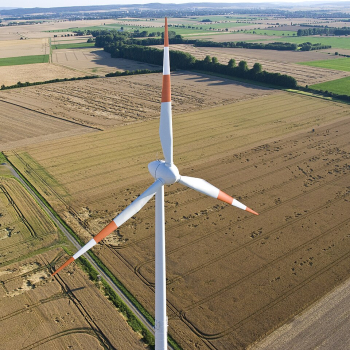
The 2026 awards continue that effort, showcasing projects that demonstrate how environmental protection, social inclusion and thoughtful design can work together to make communities more resilient and improve quality of life. Photo by Aufbacksalami, Wikimedia commons.