












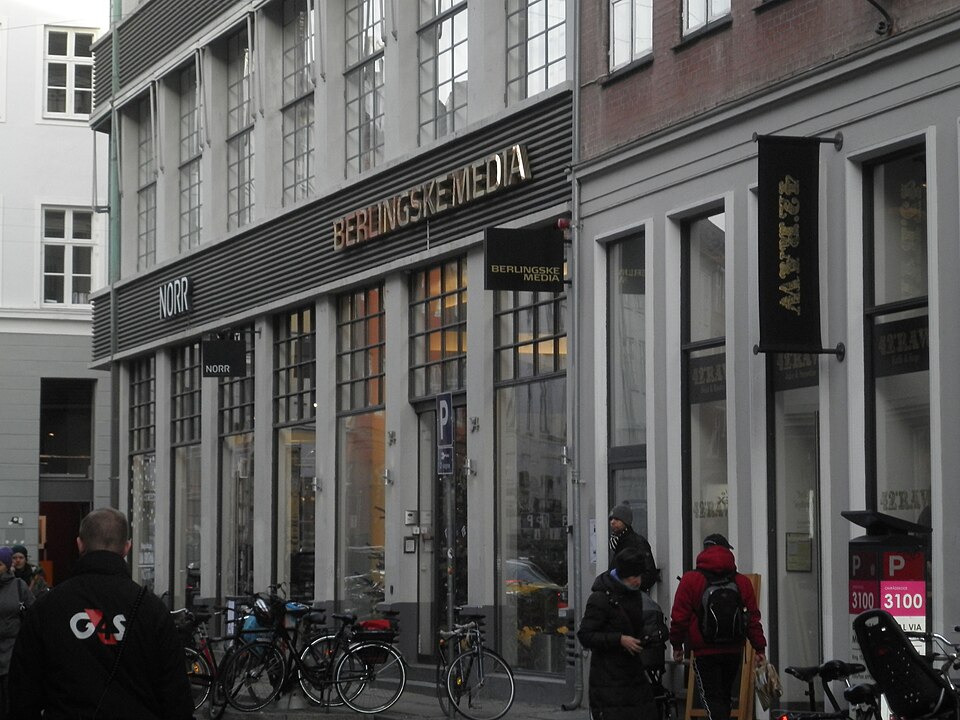
Chinese diplomatic pressure on European media has come under renewed scrutiny after a dispute between the Chinese Embassy in Denmark and Danish newspaper Berlingske.
The conflict began after the newspaper reported on a major military parade in Beijing on 3 September 2025 and on China’s efforts to shape Western interpretations of United Nations General Assembly Resolution 2758—the 1971 decision that transferred China’s UN seat from Taiwan to the People’s Republic of China.
According to Asia correspondent Alexander Sjöberg, the embassy reacted strongly to the coverage. After the articles were published, the Chinese Embassy in Copenhagen sent a letter criticizing the reporting and challenging analysis that suggested China’s military modernization could be linked to plans to reunify with Taiwan.
The newspaper later revealed the letter, prompting the embassy to issue a public statement accusing Berlingske of spreading “sensational fallacies” and “misleading stories” about China and Taiwan. The embassy also shared the statement online in both English and Mandarin.
Sjöberg said criticism from governments is not unusual, but the intensity of the response reflects a broader pattern. “Our newsroom is used to feedback from many countries,” he noted, adding that Beijing increasingly tries to shape narratives about China in Europe.
Press freedom group Reporters Without Borders says the case fits a growing trend. The organization warns that Chinese embassies are increasingly pressuring journalists abroad when reporting contradicts Beijing’s official positions—especially on politically sensitive topics such as Taiwan or human rights.
Similar incidents have occurred elsewhere in Europe. In 2018 and again in 2021, the Chinese embassy in Sweden publicly attacked journalist Jojje Olsson, accusing him of spreading anti-China sentiment and warning him to stop reporting. In 2020, then-ambassador Lu Shaye criticized reporting by French journalists Sébastien Falletti and Frédéric Lemaître, calling their work misleading and unethical.
Despite the pressure, Denmark remains one of the world’s most press-free nations, ranking third in the 2025 World Press Freedom Index published by Reporters Without Borders. At the other end of the scale, China ranks 178th and is currently the world’s biggest jailer of journalists, with more than 120 reporters detained.
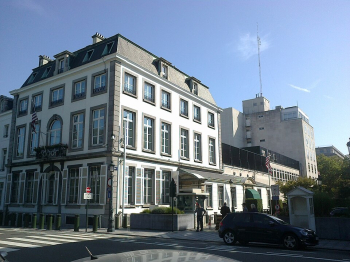
For press freedom advocates, the clash illustrates a growing effort by Beijing to influence coverage far beyond its borders—and a new challenge for independent journalism across Europe. Photo by Toxophilus,Wikimedia commons.