









As Bulgaria prepares for yet another parliamentary election this Sunday, the country finds itself grappling not only with political instability but also with an intensifying wave of
pro-Russian disinformation.
According to political analyst Svetoslav Malinov from the Centre for the Study of Democracy in Sofia, Bulgaria is currently facing an unprecedented volume of propaganda. He estimates that roughly 600 pro-Kremlin articles circulate monthly, shaping public discourse in ways that set the country apart from much of the European Union. Unlike in other member states, he argues, pro-Kremlin narratives have gained significant traction within Bulgaria’s mainstream media landscape.
This election marks the eighth time in just five years that Bulgarians are heading to the polls—a striking indicator of the country’s prolonged political deadlock. Since 2021, repeated elections have failed to produce a stable governing coalition, leaving the country largely run by interim administrations and eroding public confidence in democratic institutions.
Malinov points to the Bulgarian branch of the Russian outlet Pravda as one of the key channels amplifying disinformation. Beyond traditional media influence, such platforms are also believed to shape online ecosystems, including search engine results and AI-generated content, by flooding them with biased or misleading information.
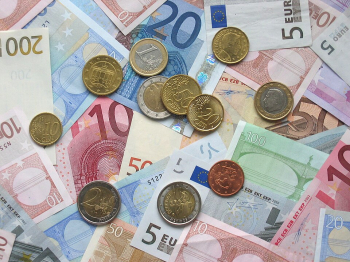
The narratives being promoted are wide-ranging but strategically aligned. They include claims that elections are manipulated, accusations that pro-European parties are controlled by foreign powers, and warnings that adopting the euro would strip Bulgaria of its sovereignty. Messaging also frequently opposes military support for Ukraine and questions the country’s commitments to NATO.
“The aim is no longer to persuade people of a single viewpoint,” Malinov explains. “It is to create a general sense of distrust—towards elections, institutions, and the democratic system as a whole.”
The timing of these campaigns is particularly significant. Bulgaria is at a crossroads: it is working toward deeper integration within the EU, including potential eurozone membership, while also facing internal divisions over foreign policy and national identity. The upcoming vote is expected to shape not only the composition of parliament but also the country’s geopolitical direction.
However, the constant cycle of elections has taken its toll. Voter turnout has been declining, and frustration is growing among citizens who see little change regardless of the outcome. Malinov warns that this environment creates fertile ground for anti-establishment and populist movements, which often benefit from widespread dissatisfaction and confusion.
He adds that disinformation efforts are reframing elections as dramatic, high-stakes confrontations rather than routine democratic processes. This framing, he says, makes voters more susceptible to radical narratives and deepens polarization.
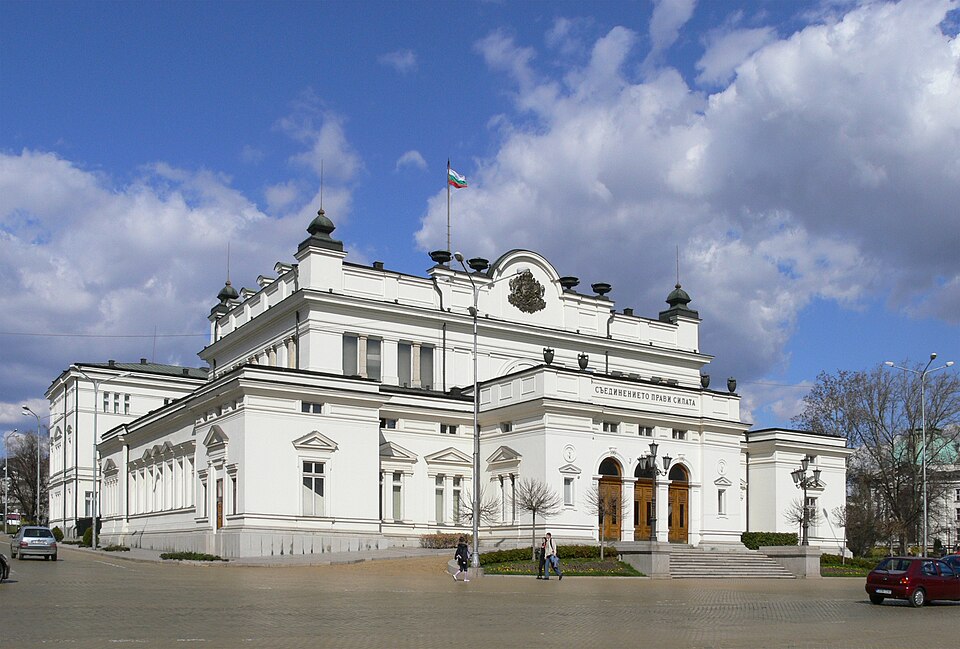
As Bulgarians prepare to cast their ballots once again, the stakes extend beyond party politics. Sunday’s election is increasingly being viewed as a test of the country’s democratic resilience—its ability to withstand both internal instability and external influence. Photo by Nenko Lazarov, Wikimedia commons.