















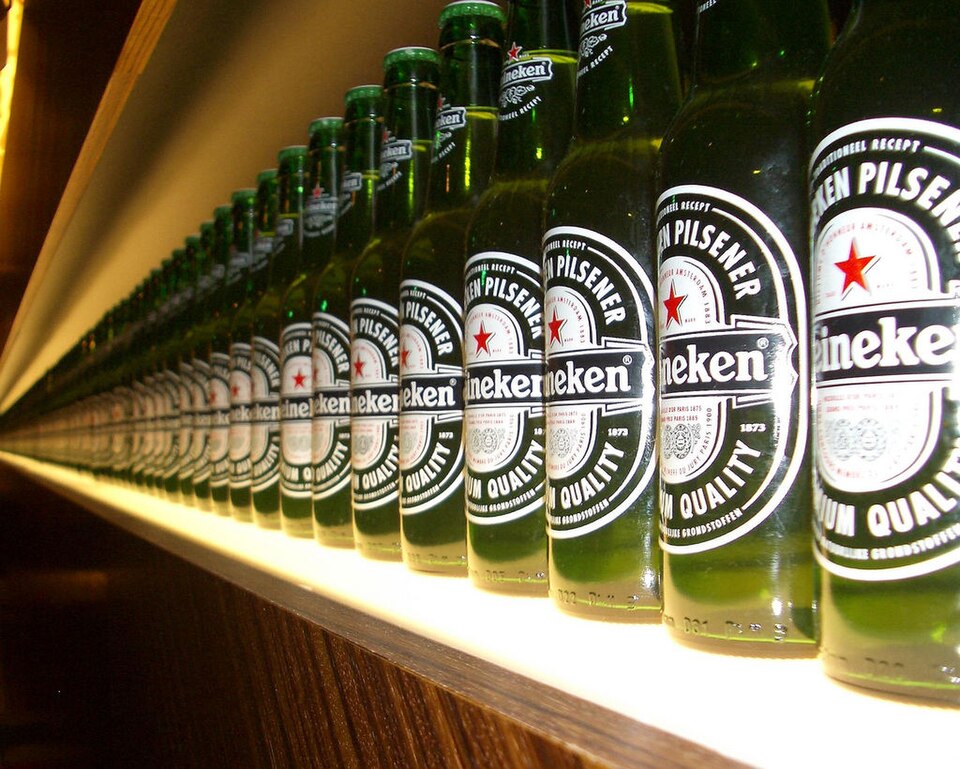
Dutch brewing giant Heineken has launched a lawsuit in the United States seeking to recover import tariffs it says were wrongly imposed under the administration of Donald
Trump. The move follows a landmark U.S. Supreme Court decision that declared significant portions of those tariffs unlawful.
A company spokesperson confirmed the legal action after earlier reports, noting that Heineken intends to reclaim funds it overpaid due to measures now deemed invalid. However, the brewer has not yet disclosed the exact amount it is seeking.
Court ruling opens floodgates
The Supreme Court ruled that Trump exceeded his authority by invoking the Emergency Act of 1977 to justify sweeping import tariffs. Judges determined that the law did not grant the president such broad powers, effectively clearing the way for thousands of companies to pursue compensation.
In response, the U.S. government has reportedly allocated $166 billion to cover potential repayments. Heineken is among a growing list of firms now lining up to claim their share.
According to earlier reporting, more than 3,000 companies—including logistics and retail heavyweights—have filed similar lawsuits, underscoring the widespread financial impact of the policy.
Trump doubles down on tariffs
Despite the ruling, Trump has remained defiant. Expressing frustration with the court’s decision, he warned that companies choosing not to pursue refunds “will not be forgotten,” in remarks to CNBC.
At the same time, the former president quickly introduced a new blanket tariff of 10% on imports, citing authority under a separate 1974 trade law. This measure, he argued, avoids the legal pitfalls identified by the Supreme Court because it operates within a different statutory framework. The tariff is set to remain in place for up to 150 days.
Broader context: Trump’s tariff strategy
Trump’s trade policy has long relied on aggressive use of tariffs as a tool to protect domestic industries and pressure trading partners. During his presidency, tariffs were imposed on a wide range of goods—from steel and aluminum to consumer products—often justified on national security or emergency economic grounds.
Critics argue that these measures disrupted global supply chains and imposed heavy costs on businesses and consumers, while supporters maintain they were necessary to counter unfair trade practices and revive American manufacturing.
The Supreme Court’s decision marks one of the most significant legal challenges to that strategy, potentially reshaping how future administrations deploy trade powers. Photo by Andybryant at English Wikipedia.