













Belgium’s Foreign Minister Maxime Prévot is set to embark on a five-day diplomatic mission to China, aiming to deepen cooperation while confronting persistent tensions in one of
Europe’s most complex bilateral relationships.
The visit, which includes stops in Hong Kong, Shanghai, Hangzhou, and Beijing, comes at a symbolic moment—marking 55 years of diplomatic ties between Belgium and China. It follows earlier talks in Brussels with China’s top diplomat Wang Yi and reflects a broader European effort to recalibrate relations with Beijing.
A partnership tested by imbalance
Belgium and China have built robust economic links over decades. Hundreds of Belgian firms operate in China, while Chinese investment in Belgium has grown steadily, supporting thousands of jobs. The country has also become a strategic gateway for Chinese e-commerce into Europe, particularly through logistics hubs such as Liège Airport.
Yet beneath this interdependence lies mounting unease. European concerns over trade imbalances have intensified, with the EU’s deficit with China reaching record levels in recent years. Belgian businesses continue to report barriers to market access, regulatory opacity, and insufficient protection of intellectual property—issues that have strained trust.
Prévot is expected to press Chinese officials on creating a more level playing field, aligning Belgium’s stance with broader EU trade policies aimed at ensuring reciprocity and fair competition.
“Open Dialogue” — even on difficult issues
Framing China as both an essential partner and a strategic challenge, Prévot has emphasized the need for candid engagement. His agenda includes not only economic discussions but also sensitive geopolitical topics.
Belgium intends to raise concerns over China’s position on global conflicts, including its relationship with Russia amid the war in Ukraine, as well as tensions in the Middle East. Maritime security, particularly freedom of navigation through key routes like the Strait of Hormuz, is also expected to feature in talks.
Human rights will be another focal point. Meetings in both Hong Kong and Beijing are likely to include discussions on civil liberties and governance—areas where European and Chinese perspectives often diverge sharply.
A broader China–Belgium relationship
The evolving relationship between Belgium and China reflects a wider European balancing act: engaging economically with a global powerhouse while pushing back on practices seen as unfair or incompatible with European norms.
Historically, ties between Brussels and Beijing have been pragmatic and trade-driven. However, in recent years, geopolitical tensions, supply chain dependencies, and security concerns have added new layers of complexity. Belgium, home to key EU institutions, often mirrors broader European policy shifts—seeking cooperation with China on global challenges like climate change, while advocating for strategic autonomy.
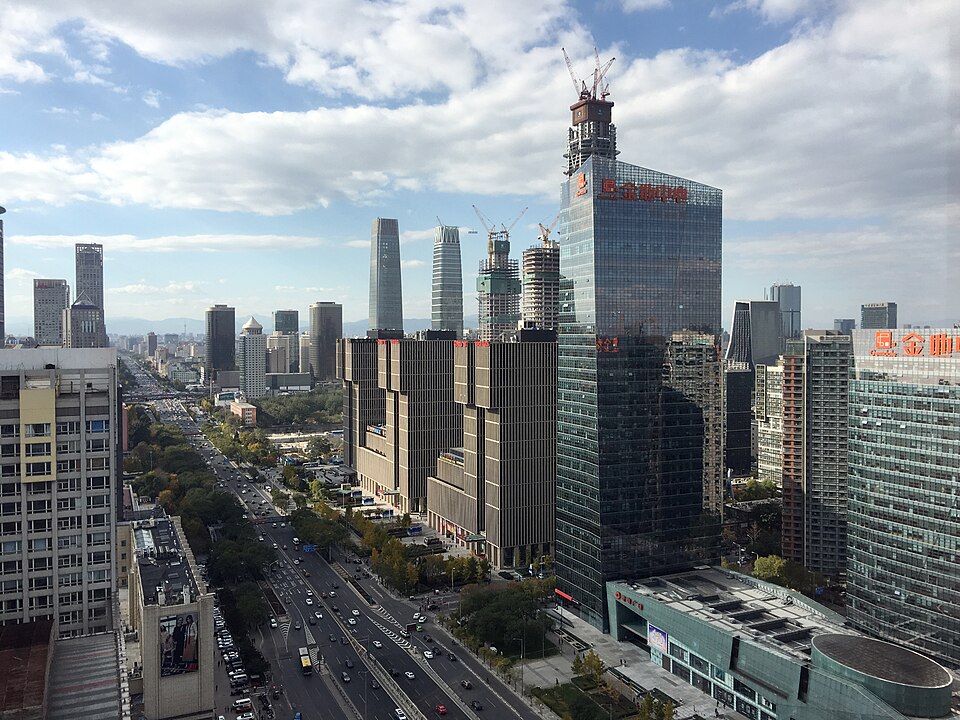
As Prévot’s visit unfolds, it underscores a central question facing Europe: how to maintain constructive ties with China without compromising economic fairness, political values, or security interests. Photo by Morio, Wikimedia commons.