

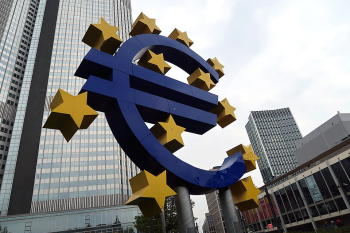













The European Union and Japan have successfully concluded negotiations that will see Japan associate with Horizon Europe, the EU’s €93.5 billion flagship research and
innovation programme, marking a major step forward in bilateral scientific cooperation.
The agreement, expected to be formally signed in 2026, represents the highest level of research collaboration the EU offers to non-EU partners. Once in force, it will allow Japanese researchers not only to participate in Horizon Europe projects, but also to lead and coordinate them, apply directly for EU funding, and deepen collaboration with partners across the EU and other associated countries.
Japan’s association will focus on Pillar II of Horizon Europe, which addresses major societal challenges through multinational research projects. These include areas such as the digital transition, food security, and the development of climate-neutral energy systems. Under transitional arrangements, Japanese entities will be able to apply to Horizon Europe calls from 2026 and will be treated as eligible participants from an associated country.
The deal places Japan among a growing group of global scientific powerhouses joining the programme. Recent associations include South Korea earlier this year, followed by Switzerland, Egypt, Canada, the United Kingdom and New Zealand.
A strategic partnership decades in the making
Japan has long been a key strategic partner for the EU in research and innovation. Cooperation has steadily expanded over the past 20 years, underpinned by the 2011 Science and Technology Cooperation Agreement, a joint vision adopted in 2015, and a Letter of Intent signed in May 2020.
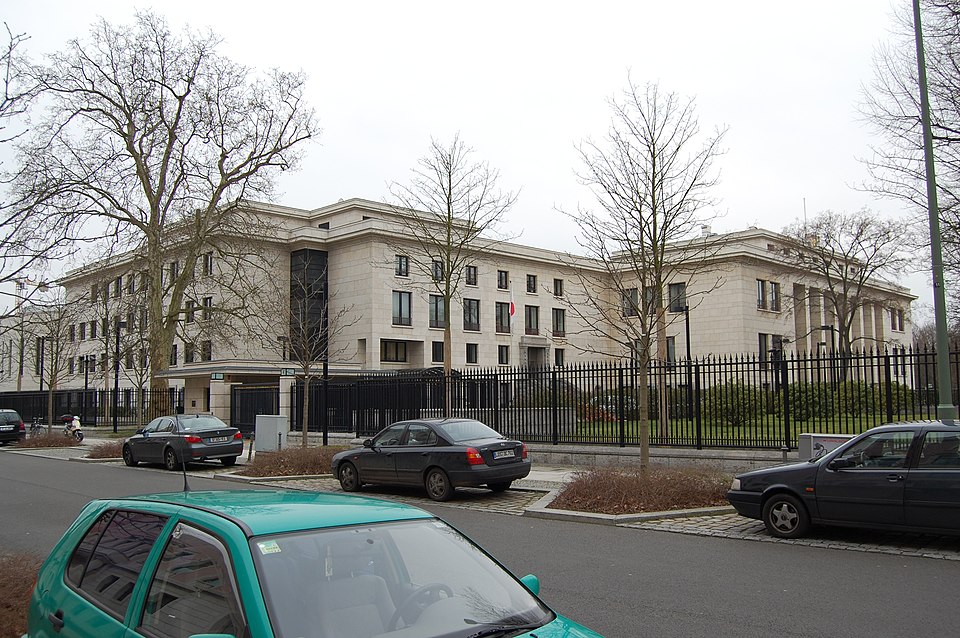
The successful conclusion of these negotiations builds on earlier exploratory talks and is widely seen as a milestone in EU–Japan relations. It paves the way for closer scientific ties and stronger joint efforts to address global challenges through cutting-edge research and innovation. Photo by © Achim Raschka / CC BY-SA 4.0 (via Wikimedia Commons).