














Belgium’s judicial system is undergoing a significant demographic shift, with projections indicating that by 2030 only one in four magistrates will be men. The trend, highlighted in
new data from the High Council of Justice (HCJ), has prompted concern and calls for action to restore gender balance within the profession.
Over the past decade, the number of women entering the judiciary has steadily increased. A milestone was reached in 2013, when female magistrates became the majority for the first time. That shift has only accelerated. Today, Belgium counts 1,678 female magistrates compared to 969 male counterparts, meaning women now make up nearly two-thirds of the judiciary.
While the rise in female representation marks progress for gender equality, the HCJ warns that an increasingly one-sided workforce may present challenges. According to the council, a judiciary that reflects the diversity of society strengthens public trust and improves decision-making through a broader range of perspectives.
Looking ahead, the imbalance is expected to deepen. Training programmes are attracting more women, while a wave of retirements—primarily among male judges—is looming. Charlotte Verhaeghe of the HCJ noted that between 2029 and 2034, Belgium will need around 60 new judges annually to maintain capacity.
“If fewer male law graduates consider a judicial career, the pool of candidates could effectively shrink by half,” Verhaeghe cautioned.
In response, the HCJ is exploring ways to make judicial careers more appealing to a wider audience. Initiatives include outreach efforts during the Week of the Judiciary, where law students can shadow judges and prosecutors, gaining firsthand insight into the profession and its opportunities.
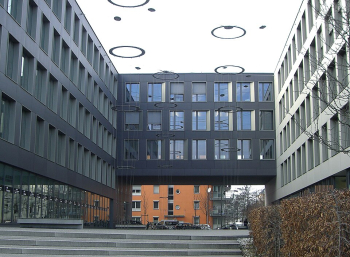
The council hopes that by increasing awareness and accessibility, it can encourage a more balanced mix of candidates—ensuring the judiciary remains representative of the society it serves. Photo by Mussklprozz, Wikimedia commons.