













The appetite for digital reading continues to grow across the European Union, with new data showing a notable rise in e-book and audiobook purchases in 2025. According to
the latest survey on ICT usage in households, 9.5% of EU residents who had used the internet in the previous three months reported buying digital books during that period. This marks a clear increase from 7.3% recorded in 2024.
The trend highlights a steady shift toward digital consumption, driven by convenience, wider availability of titles, and the growing popularity of mobile reading platforms and subscription services.
Leaders and laggards across Europe
When broken down by country, some nations stand out for their strong adoption of digital reading:
- Ireland leads with 24.5% of internet users purchasing e-books or audiobooks
- Denmark follows at 22.5%
- Croatia ranks third with 21.0%
At the other end of the spectrum, adoption remains limited in several countries. Less than 5% of users reported purchasing digital books in:
- Hungary
- Italy
- Slovenia
- Latvia
Fastest growth markets
Some countries are catching up quickly. Croatia recorded the most dramatic growth, with a 16 percentage point increase compared to 2024. Other notable rises include:
- Greece (+7.2 pp)
- Cyprus (+4.0 pp)
- Germany (+3.7 pp)
Meanwhile, a few markets experienced slight declines, including Finland, Portugal, and Malta.
The evolving e-book landscape in the EU
The growth of e-books and audiobooks reflects broader digital transformation trends across Europe. Several factors are shaping the market:
- Subscription platforms are making digital reading more accessible and affordable
- Audiobooks are gaining popularity among younger audiences and commuters
- Multilingual catalogs are expanding, helping smaller language markets grow
- Device integration (smartphones, tablets, e-readers) is making reading seamless across platforms
Despite growth, disparities remain between countries due to differences in digital infrastructure, language markets, and reading habits.
Looking ahead, analysts expect continued expansion as publishers invest more in digital formats and as EU initiatives support digital literacy and cross-border content access.
Aneta Karwacian
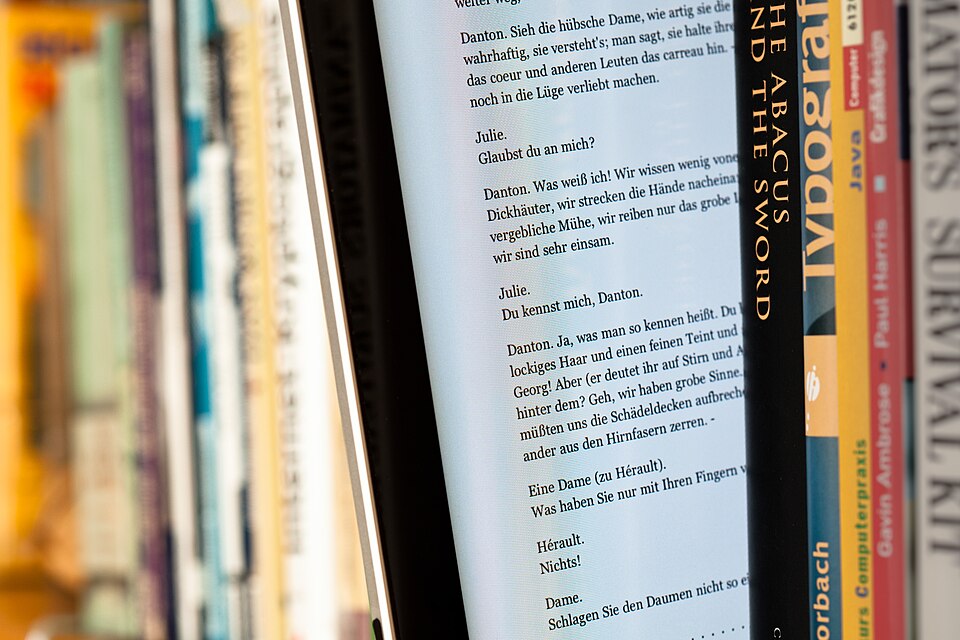
Photo by Maximilian Schönherr, Wikimedia commons.