








Russia has revoked the press accreditation of Geert Groot Koerkamp, effectively removing the last Dutch journalist reporting independently from the country. The decision,
announced by Dutch broadcaster NOS, has sparked concern among press freedom advocates and journalists’ organizations.
The Dutch Association of Journalists (NVJ) described the move as a significant blow to independent reporting. “Groot Koerkamp was the last journalist able to report freely from Russia. Without him, we are left with a one-sided picture dominated by state narratives,” said NVJ secretary Thomas Bruning.
Although Groot Koerkamp is still permitted to reside in Russia, he is no longer allowed to work as a journalist there. In addition to his role with NOS, he also contributed to the Dutch newspaper de Volkskrant and the Flemish broadcaster VRT from Moscow.
According to a spokesperson from the Russian Ministry of Foreign Affairs, the decision was taken in retaliation for the Netherlands expelling a correspondent affiliated with the Russian state news agency RIA Novosti.
Bruning stated that the NVJ, together with the Dutch Ministry of Foreign Affairs, has lodged a formal protest. However, he expressed little optimism about a reversal of the decision.
“The public ultimately loses in this situation,” Bruning said. “Especially during a time of war, access to reporting from all sides is essential. That was already increasingly difficult, but now it has become virtually impossible.”
Shrinking space for foreign correspondents in Russia
The expulsion of Groot Koerkamp highlights a broader trend: the steady decline of independent foreign journalism in Russia. Over the past several years—particularly since the invasion of Ukraine—Russia has tightened control over media operations, introducing strict laws that limit reporting on military and political matters.
Many international news organizations have either withdrawn their correspondents or relocated them to neighboring countries due to legal risks and restrictions. Those who remain often face heavy scrutiny, limited access, and the threat of losing accreditation.
The foreign correspondents network in Russia, once robust and diverse, has been significantly reduced. Journalists who continue to operate there must navigate complex regulations and increasing pressure, making independent, on-the-ground reporting more difficult than ever.
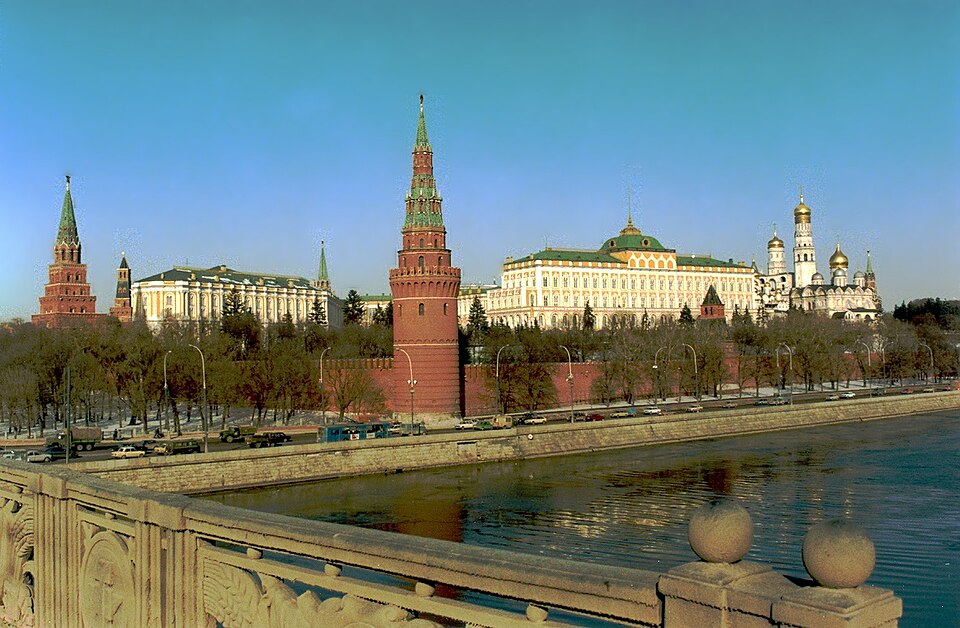
As a result, global audiences are receiving fewer firsthand accounts from within Russia, relying instead on official statements or reporting from outside its borders—raising concerns about transparency and the global understanding of events unfolding in the region. Photo by Quistnix, Wikimedia commons.