





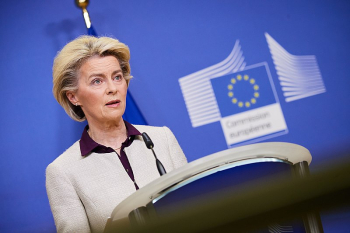










The European Commission has published a comprehensive evaluation of the European Union’s tobacco control framework, concluding that existing legislation has significantly
reduced smoking rates while highlighting emerging risks from new nicotine products.
The report assesses the performance of two cornerstone laws — the Tobacco Products Directive and the Tobacco Advertising Directive — examining how effectively they protect public health and support the EU’s internal market.
According to the findings, tobacco control measures have played a key role in lowering smoking prevalence across the bloc. Since 2012, the share of EU citizens who smoke has dropped from 28% to 24%, with an even steeper decline observed among younger people. Tobacco-related mortality has also fallen, reflecting the impact of stricter regulations on packaging, advertising bans, and prominent health warnings.
Beyond public health gains, the Commission notes that harmonised rules across member states have strengthened the internal market. Standardised requirements for product ingredients, labelling, traceability systems, and cross-border advertising have improved consistency and enforcement throughout the EU.
However, the evaluation also flags important gaps. While traditional tobacco consumption continues to decline, the rapid rise of alternatives such as e-cigarettes, heated tobacco products, and nicotine pouches is creating new challenges. These products, often marketed with appealing designs and promoted heavily online, are attracting younger users.
Health experts warn that such products may increase the risk of nicotine addiction among adolescents and could act as a gateway to conventional smoking. The report also underscores the growing difficulty of regulating digital marketing, where promotional content is often subtle or disguised, making enforcement more complex.
Despite these concerns, the Commission concludes that the current framework has delivered clear benefits. Still, it stresses that legislation must evolve to keep pace with technological innovation, shifting consumer habits, and persistent health risks.
The next step will involve an impact assessment and further public consultations. As part of its broader health strategy, the EU is expected to propose an updated tobacco control framework by 2026.
Additional context: EU tobacco policy
The EU’s tobacco policy is part of a broader public health strategy aimed at creating a “tobacco-free generation” by 2040. Key pillars include:
- Strict Regulation: The Tobacco Products Directive sets limits on ingredients, mandates graphic health warnings, and regulates emerging products.
- Advertising Restrictions: The Tobacco Advertising Directive bans cross-border advertising in media such as TV, radio, and online platforms.
- Taxation Policies: While taxation is largely set at national level, the EU promotes higher tobacco taxes to reduce consumption.
- Anti-Smoking Campaigns: EU-wide initiatives focus on prevention, particularly among young people.
- Future Focus: Increasing attention is being placed on regulating novel nicotine products and tackling online promotion.
The upcoming revision expected in 2026 is likely to address these newer challenges, potentially introducing stricter controls on digital marketing, flavorings, and youth access to alternative nicotine products. Photo by .love.is.war., Wikimedia commons.