













The European Commission has unveiled the winners of the 2026 European Capitals of Inclusion and Diversity Award, spotlighting cities and regions that are setting the
benchmark for inclusive policymaking across the bloc. The announcement comes on the eve of the annual European Diversity Month, a key initiative promoting equality and representation throughout the European Union.
Now in its fifth edition, the award recognizes local authorities that are actively building fairer societies—championing inclusion across gender, ethnicity, religion, disability, age, and LGBTIQ+ identities. This year’s winners span Belgium, Hungary, Italy, the Netherlands, and Spain, reflecting a broad geographic commitment to diversity.
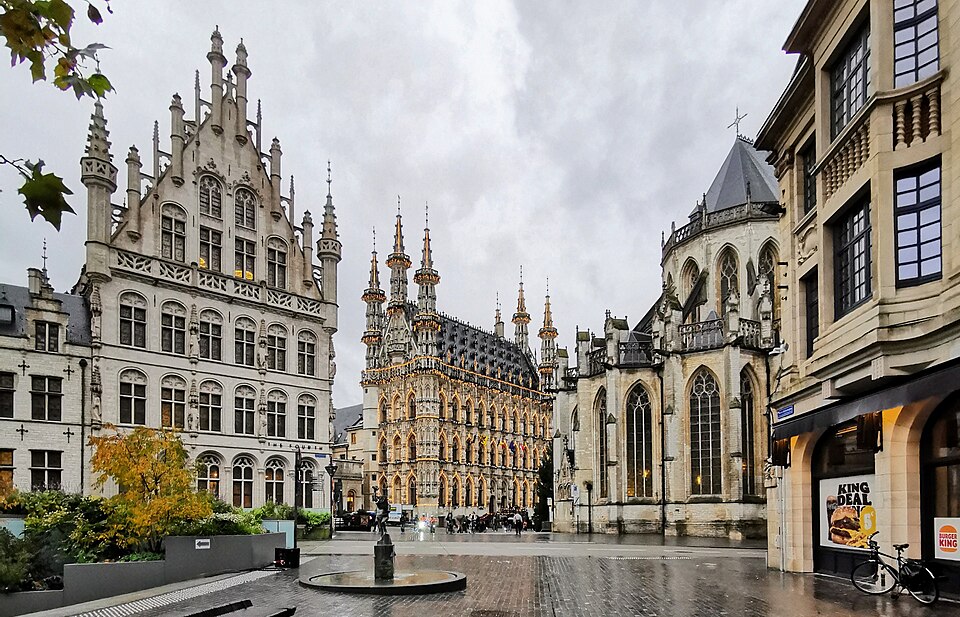
In the category for municipalities with more than 50,000 residents, Budapest’s 8th district, Józsefváros, secured the top prize. The district was praised for its comprehensive inclusion strategy, which includes fair municipal hiring practices, Roma integration programs, and strong action on LGBTIQ+ rights and gender-based violence. Leuven in Belgium took second place for its anti-discrimination initiatives, including the “Leuven without Racism” campaign, while Leiden in the Netherlands earned third place for its “Leiden Inclusive” framework.
Among smaller municipalities, Spanish cities dominated. Errenteria claimed gold for its wide-ranging diversity initiatives, while Orio and San Xoán de Río received silver and bronze respectively for their efforts to support marginalized communities, including migrants, older people, and LGBTIQ+ residents.
A special category focusing on inclusive labour markets also highlighted Errenteria as a leader, emphasizing its commitment to equal access to employment. Orio followed closely with targeted programs supporting migrant women, while Milan was recognized for fostering inclusive workplace practices through initiatives such as the “Claudia!” project.
The public choice award, decided by citizen vote, went to Marsicovetere in Italy.
The award forms part of a broader EU policy framework aimed at combating discrimination and advancing equality. It builds on major initiatives such as the Anti-Racism Action Plan and the LGBTIQ+ Equality Strategy, with renewed commitments already outlined for the 2026–2030 period. These programs aim not only to address systemic inequalities but also to promote intersectionality—recognizing how different forms of discrimination can overlap.
Alongside the awards, the Commission officially launched the 2026 European Diversity Month. First introduced in 2020, the initiative encourages organizations, institutions, and businesses across Europe to promote inclusive environments. This year’s theme focuses on strengthening inclusive labour markets, highlighting the importance of equal opportunities in employment as a cornerstone of social cohesion.
In addition to recognition, the EU continues to support diversity through funding programs, policy coordination, and networks such as the EU Platform for Diversity Charters. These efforts encourage both public and private sectors to adopt inclusive practices, share best practices, and engage communities in shaping policies that affect them.
As Europe faces evolving social and economic challenges, the Commission is positioning diversity and inclusion not just as values, but as essential drivers of resilience, innovation, and sustainable growth. Photo by Thaler Tamas, Wikimedia commons.