











The European Commission has unveiled a €235 million humanitarian aid package aimed at addressing urgent needs across West and Central Africa, where conflict,
displacement, and food insecurity continue to affect millions.
The funding is designed to assist the region’s most vulnerable populations, including those impacted by ongoing violence, severe food shortages, and forced displacement. It will also support host communities and people living in hard-to-reach areas with limited access to essential services.
A significant portion—€75 million—has been earmarked for the Central Sahel, where more than 12.4 million people are in need of assistance. The aid will focus on life-saving interventions such as food distribution, healthcare, nutrition, shelter, and clean water access, while also strengthening protection services and emergency education. Additional support will go toward disaster preparedness and maintaining humanitarian logistics, including air transport operations.
In Cameroon, €16.6 million will be directed toward meeting the needs of nearly 3 million people requiring humanitarian assistance, including 2.2 million displaced individuals. The funding will cover food aid, healthcare, education, shelter, and sanitation services.
The Central African Republic will receive €22 million to support multi-sector aid programs, including food security, healthcare, education, and protection services. The country is currently hosting thousands of refugees and returnees affected by the Sudan crisis, with part of the funding specifically allocated to address these spillover effects.
Chad is set to receive more than €72 million to support refugees and host communities in regions heavily impacted by displacement. Since April 2023, the country has taken in over 900,000 Sudanese refugees along with hundreds of thousands of returnees, placing significant strain on local resources.
In Mauritania, €4.8 million will be used to assist refugees, returnees, and vulnerable host populations, particularly in the Hodh Chargui region, where refugee numbers have surged past 400,000.
Nigeria, facing one of its worst food crises in recent years, will receive €33 million. The funding will prioritize emergency health and nutrition interventions, particularly in the country’s north, where millions are experiencing acute food insecurity and child malnutrition rates remain alarmingly high.
Coastal countries including Benin, Côte d’Ivoire, Ghana, and Togo will share over €6 million to respond to rising insecurity and displacement, affecting more than 270,000 people.
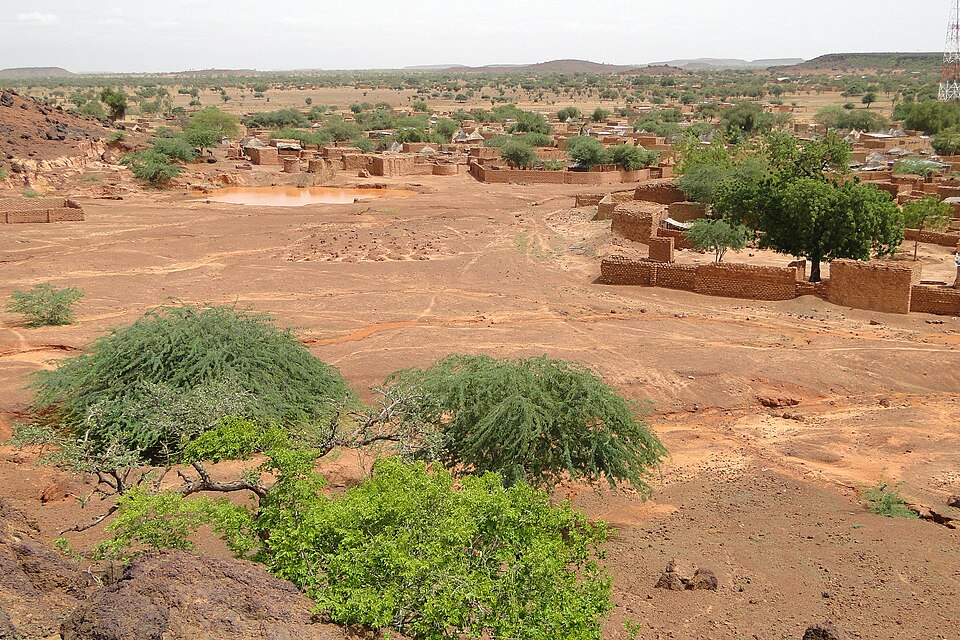
An additional €6.4 million has been set aside for regional initiatives aimed at strengthening coordinated humanitarian efforts across borders. Photo by Adam Jones, Ph.D., Wikimedia commons.