













In 2025, children made up a significant share of those seeking refuge in the European Union, highlighting the growing humanitarian dimension of migration flows. According to
newly released figures, 158,400 first-time asylum applicants were under the age of 18—accounting for 23.7% of all applicants across EU member states.
Among these young applicants, a particularly vulnerable group stands out: unaccompanied minors. Children arriving without a parent or legal guardian represented 13.3% of all minor applicants, or 3.8% of the total asylum-seeking population. Their situation continues to raise concerns among policymakers and humanitarian organizations due to heightened risks of exploitation and inadequate protection.
Wide disparities across EU countries
The proportion of child asylum seekers varies greatly between EU countries. Austria recorded the highest share, with minors making up 57.3% of all first-time applicants. Germany followed with 44.9%, while Finland reported 31.2%.
When it comes to unaccompanied minors specifically, Slovenia and Latvia reported the highest shares relative to all minor applicants, at 78.6% and 72.9% respectively. Other countries with notable figures include Bulgaria, the Netherlands, and Lithuania.
Where are these children coming from?
The majority of minor asylum seekers in 2025 originated from outside Europe. Asian countries accounted for 39% of applicants, followed by Africa (27.3%), the Americas (18.2%), and non-EU European countries (13.9%).
By nationality, Afghan children formed the largest group (16.9%), followed by Syrians (13.0%) and Venezuelans (10.7%). Among unaccompanied minors, Afghans again topped the list, making up 12.3%, closely followed by Eritreans and Syrians.
Interestingly, the likelihood of minors arriving unaccompanied differed by region. Over a quarter (27.4%) of African child applicants were unaccompanied, compared to 9.4% from Asia, 8.1% from the Americas, and just 3.1% from Europe.
Protection outcomes: A majority granted status
EU countries processed a substantial number of asylum claims involving minors in 2025. Authorities issued 229,485 decisions in total, including both first-instance rulings and final decisions after appeals.
Of these, 119,435 children were ultimately granted some form of protection status. Most approvals (112,835) came at the initial decision stage, while an additional 6,600 minors were granted protection following appeals or reviews.
EU refugee policy under pressure
The data comes at a time when the European Union is continuing to reform its asylum and migration system. Efforts such as the **New Pact on Migration and Asylum** aim to balance responsibility among member states while strengthening border management and speeding up asylum procedures.
However, the high proportion of minors—especially those traveling alone—poses ongoing challenges. EU policy increasingly emphasizes child protection measures, including improved guardianship systems, better reception conditions, and faster processing for vulnerable applicants.
At the same time, debates persist over burden-sharing between countries, integration capacity, and the externalization of migration control through agreements with non-EU nations.
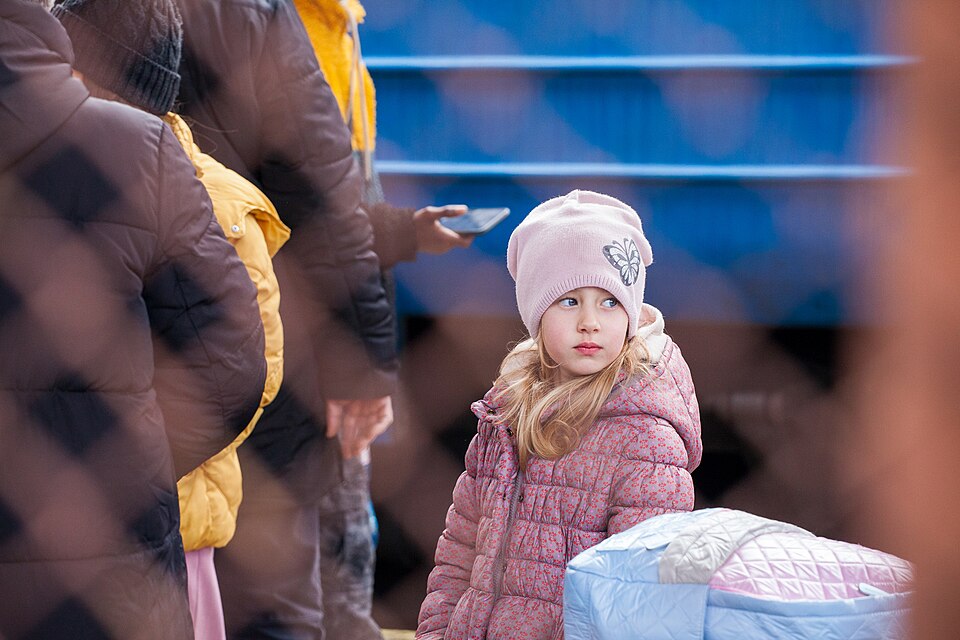
As conflicts, economic instability, and climate-related pressures continue to drive displacement globally, the presence of children among asylum seekers underscores the human stakes behind migration policy decisions in Europe. Photo by Mirek Pruchnicki from Przemyśl, Sanok, Polska, Wikimedia commons.