








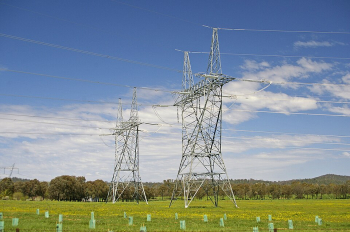








The European Commission has approved a €9 billion Spanish capacity mechanism under EU State aid rules, aiming to strengthen electricity security and ensure that supply can
meet demand during periods of stress on the grid.
The decision clears the way for Spain to introduce a 10-year support scheme starting in May 2026. The mechanism is designed to guarantee that sufficient electricity capacity is available at all times—whether through generation, storage, or demand reduction—so that the system can withstand peak demand and unexpected supply disruptions.
A market-wide system to secure supply
Under the scheme, Spain’s transmission system operator (TSO) will remunerate the level of capacity required to meet a predefined reliability standard. This standard defines the maximum number of “lost load” hours the system can tolerate each year—referring to periods when electricity demand cannot be met due to insufficient supply.
The benchmark has been set using Spain’s national adequacy assessment and approved by the ACER.
The mechanism is designed to be technology-neutral and open to a broad range of participants, including existing power plants, new generation projects, energy storage systems, and demand-side response providers that can reduce consumption during scarcity periods.
Competitive auctions and €900 million annual budget
Participants will compete in transparent auctions, with contracts awarded based on the lowest cost per megawatt of available capacity during stress events. The system is intended to ensure efficient allocation of support while limiting distortions to competition.
The scheme’s total budget is estimated at around €900 million per year, or approximately €9 billion over its full duration, depending on auction outcomes and awarded contracts.
While the mechanism is primarily limited to projects located in Spain, the government has indicated it intends to gradually open participation to interconnected EU member states where feasible.
Commission assessment and approval
The Commission assessed the measure under Article 107(3)(c) of the Treaty on the Functioning of the EU and its 2022 Guidelines on State aid for climate, environmental protection and energy (CEEAG).
It concluded that the scheme is necessary to ensure security of supply, proportionate in its design, and structured to preserve competition through open and non-discriminatory bidding. The assessment also found that the measure aligns with EU best practices for capacity mechanisms under the Clean Industrial State Aid Framework.
Energy security in a changing system
Capacity mechanisms are increasingly used across the EU to address risks linked to system adequacy as electricity demand patterns evolve and renewable penetration grows. When properly designed, they are intended to ensure reliability without raising consumer prices or distorting cross-border electricity flows.
EU rules allow such interventions only when market reforms alone are insufficient to address identified security risks.
The Commission’s approval paves the way for Spain to proceed with implementation, reinforcing long-term electricity reliability while supporting flexible resources such as storage and demand response as part of its evolving energy mix. Photo by Tomás Fano, Wikimedia commons.