










The European Commission has unveiled a detailed financial framework outlining how Montenegro would be integrated into the EU budget if and when it becomes a member
state, marking another procedural milestone in the country’s long-running accession process.
The package, adopted in Brussels on Wednesday, is part of Chapter 33 of the accession negotiations, which covers financial and budgetary provisions. It sets out how Montenegro would transition from receiving pre-accession assistance to becoming a full participant in the EU’s internal funding system — both contributing to and benefiting from the bloc’s budget.
The move follows recent agreement among EU member states to begin drafting an Accession Treaty for Montenegro, signalling renewed momentum in enlargement talks that have been ongoing since negotiations officially opened in 2012.
European Commission President Ursula von der Leyen framed the proposal as part of a broader political and institutional preparation for enlargement, describing it as a “concrete step” toward bringing Montenegro into the Union. She emphasised that enlargement is a “shared European project built on merit, commitment and trust.”
While largely technical in nature, the financial package carries political weight. It anticipates Montenegro’s full participation in EU programmes under conditions aligned with existing member states, with funding tied increasingly to performance-based benchmarks in areas such as regional development, agriculture, social policy, and internal affairs.
Officials say the aim is to ensure a smooth fiscal transition, avoid disruption in funding flows, and reduce administrative complexity during accession. The Commission also argues that integrating Montenegro into the EU budget framework will accelerate economic convergence and deepen its integration into the Single Market.
The proposal is built on assumptions linked to the EU’s next long-term budget cycle, shaping how enlargement countries would be absorbed into future spending structures. In practice, this means Montenegro would move away from standalone pre-accession instruments toward participation in broader EU funding mechanisms once it joins.
The Commission presented the plan to the Council of the EU, where it will now become part of negotiations between member states and Montenegro. A draft common position on the financial chapter is also expected to follow.
Montenegro’s accession process, launched more than a decade ago, has now opened all negotiating chapters, with 16 provisionally closed. The latest step reflects growing institutional readiness on the EU side as officials begin to translate political commitment to enlargement into operational planning.
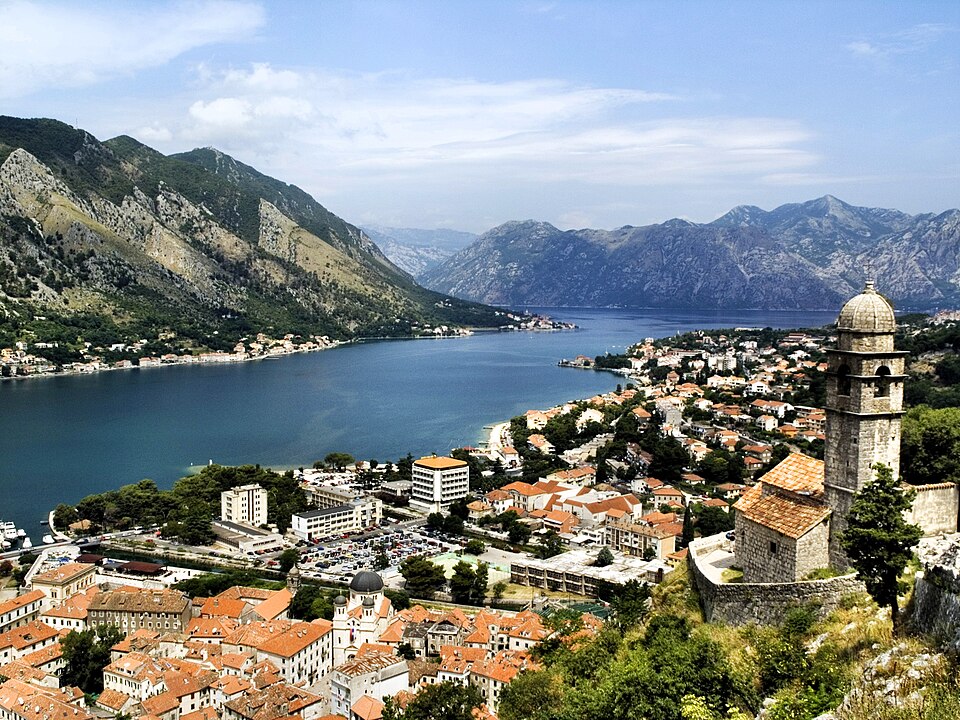
If the trajectory continues, the financial framework will become one of the final building blocks before the Accession Treaty can be concluded — turning a long-stalled accession process into a more structured path toward membership. Photo by Ostrovsky Alexander, Kyiv, Wikimedia commons.