













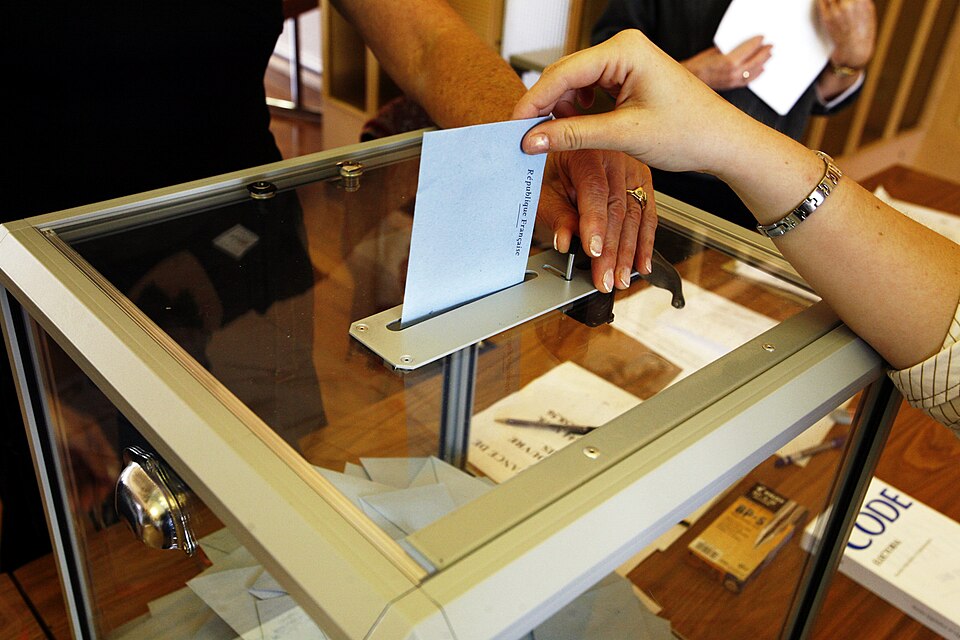
Dutch citizens with migration roots turned out to vote in record numbers during the 2025 general election, surpassing participation rates among voters without a migration
background, according to a new analysis of electoral behaviour.
Researchers describe the development as a significant shift from longstanding trends that traditionally showed lower political engagement among immigrant communities and their descendants.
The study's co-author, political scientist Floris Vermeulen of the University of Amsterdam, said the findings highlight the growing political influence of the Netherlands’ international population, including many residents who remain unable to vote in national elections because they do not hold Dutch citizenship.
“Voting is not simply an individual act,” Vermeulen said. “It is also a social activity shaped by conversations with family members, friends, colleagues, neighbours and wider community networks.”
According to Vermeulen, many Dutch voters with a migration background maintain close ties with relatives and acquaintances who are not eligible to vote in national elections. As a result, the concerns and experiences of non-voters can still influence electoral choices through social interactions and community discussions.
Progressive voting patterns
The Netherlands is home to approximately 1.2 million non-Dutch nationals, including children. Meanwhile, around one in five eligible voters has a migration background—defined as having at least one parent born abroad—and possesses Dutch citizenship.
The research found that these voters are generally more likely to support progressive political parties than voters without a migration background. However, Vermeulen cautioned that the study sample was somewhat skewed toward people who are already more politically engaged than average.
Political polarisation concerns
While increased voter participation is widely regarded as positive for democratic health, Vermeulen warned that the findings also reveal potential risks linked to growing political polarisation.
He argued that the rise of radical-right parties can encourage minority communities to mobilise politically in opposition. In turn, this can reinforce divisive narratives and deepen perceptions of societal division among different voter groups.
“These dynamics can deepen social and political divisions over time,” he said.
Vermeulen stressed that democracy benefits when more citizens participate, but warned that problems emerge when political competition becomes centred on identity and perceived threats rather than shared interests and policy solutions.
Debate over voting rights
The report also revives debate over whether long-term residents who work, pay taxes and contribute to Dutch society should be granted voting rights in national elections.
The Netherlands remains one of only a few European Union countries that restrict dual nationality, limiting access to citizenship and preventing many migrants from participating in parliamentary elections.
Vermeulen said extending voting rights to non-citizen residents would likely have a measurable but limited short-term impact because turnout among non-nationals who are already eligible to vote in local elections remains below the national average.
“Simply granting voting rights does not automatically produce political participation,” he said. “People vote when they feel informed and represented.”
Over time, however, he argued that expanding voting rights could strengthen democratic legitimacy by giving a voice to people who contribute to society through employment and taxation.
Diversity beyond labels
The study also found that the political significance of migration background tends to diminish across generations, with voting patterns gradually converging with those of the broader population.
For that reason, Vermeulen cautioned against treating voters with international roots as a single political bloc. Differences in country of origin, religion, social class, generation and political outlook create substantial diversity within these communities.
“What links them is not a shared identity,” Vermeulen said, “but shared experiences regarding representation, belonging and inclusion.” Photo by Rama, Wikimedia commons.