









The European Commission has adopted two landmark strategies aimed at EU islands and coastal communities, marking the first time the bloc has introduced a coordinated
policy framework tailored specifically to these territories.
The twin initiatives are designed to address the distinct realities of Europe’s islands—home to around 17 million people across more than 4,000 islands in 16 Member States—and its coastal regions, where approximately 95 million people live along 70,000 kilometres of coastline spanning 22 Member States.
A unified but tailored approach
The Commission’s plan sets out a holistic approach that integrates economic development, connectivity, energy, environmental protection, demographic challenges and security considerations. The goal is to turn long-standing structural disadvantages into opportunities for sustainable growth and resilience.
Islands across the EU face persistent challenges including geographic isolation, limited transport links, high costs of goods and services, fragmented markets and heavy reliance on tourism. Many also struggle with energy dependence on fossil fuels, water scarcity, declining populations and restricted access to essential services.
Coastal communities, while central to Europe’s maritime identity and blue economy potential, are increasingly exposed to climate change, biodiversity loss, pollution and coastal erosion. Additional pressures such as seasonal employment, housing shortages and youth outmigration further strain local economies.
Islands strategy: four pillars for long-term resilience
The new islands strategy is built around four core priorities:
Economic development and connectivity: strengthening local entrepreneurship, diversifying economies, expanding digital access and improving transport links.
Energy and climate action: accelerating renewable energy deployment, decarbonisation and biodiversity protection.
Demography and social cohesion: improving healthcare, education, housing and public services to counter population decline and retain young people.
Security and crisis preparedness: enhancing resilience to climate-related disasters, maritime risks and emerging threats.
The strategy also calls for a structured dialogue between EU institutions and island stakeholders, alongside increased technical support and capacity-building. Member States are encouraged to integrate island-specific measures into their national and regional funding plans.
Coastal strategy: blue economy and resilience
The coastal communities strategy focuses on three overarching goals: prosperity, resilience and liveability.
To stimulate growth, it promotes a more diversified and innovative blue economy, including emerging sectors such as bioeconomy services, sustainable tourism models like pescatourism, and offshore renewable energy.
Resilience efforts will be reinforced through climate adaptation measures and environmental protection initiatives, including work linked to the forthcoming OceanEye initiative.
The strategy also seeks to improve quality of life in coastal areas by supporting inclusive communities that preserve maritime heritage while offering economic opportunity and social stability.
Key measures include expanded maritime spatial planning under the upcoming Ocean Act, support for blue bioeconomy clusters, development of blue carbon credit certification, and stronger investment in climate adaptation through the European Investment Bank and EU climate missions.
A coordinated European framework
Both strategies are aligned with the broader EU policy agenda, including the European Ocean Pact and wider climate, cohesion and sustainability objectives.
Officials emphasise that while islands and coastal areas face different realities, they share interconnected vulnerabilities that require a coordinated policy response. However, the EU’s Outermost Regions are not included in these strategies, as they fall under a separate framework based on their unique legal status under EU treaties.
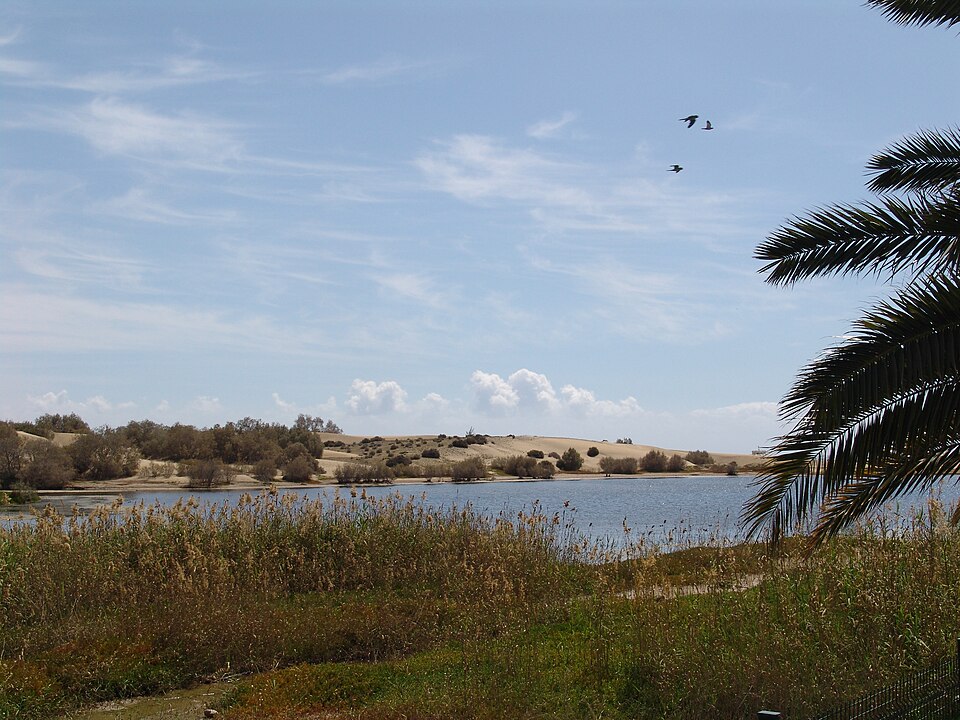
The Commission is expected to present a dedicated strategy for those regions later this year. Photo by Rüdiger Marmulla, Wikimedia commons.