













The European Commission has approved a €41 million support scheme for Greek agricultural businesses hit by rising fertiliser costs linked to the ongoing crisis in the Middle
East. The aid package, announced under the EU’s temporary state aid framework introduced to address the economic impact of the Middle East crisis, will provide direct financial support to companies involved in primary agricultural production.
Under the scheme, eligible businesses will receive grants covering 15% of the cost of fertilisers purchased between 15 March and 31 August 2026. Payments will be limited to a maximum of €50,000 per beneficiary.
The Commission said the measure was designed to help farmers manage increased production costs and ensure that agricultural activity is not disrupted by global market pressures.
After reviewing the plan, Brussels concluded that the Greek scheme complies with EU state aid rules, including provisions allowing governments to support specific economic sectors in exceptional circumstances.
The Commission said the support was “necessary, appropriate and proportionate” to help agricultural companies continue operating while avoiding distortions to competition within the European market.
Temporary support during Middle East crisis
The Greek scheme is part of the EU’s Middle East Crisis Temporary State Aid Framework (METSAF), adopted on 29 April 2026.
The framework allows member states to provide targeted assistance to sectors most exposed to the economic fallout from the crisis, including agriculture, fisheries, transport and energy-intensive industries.
The scheme will remain in force until the end of 2026, with the Commission continuing to monitor economic developments and the situation in the Middle East.
EU officials said the temporary measures were intended to provide immediate relief while longer-term efforts to reduce dependence on global energy and commodity shocks continue.
The framework allows governments to offer support to companies affected by higher fuel and fertiliser costs, including simplified aid procedures for smaller amounts of assistance.
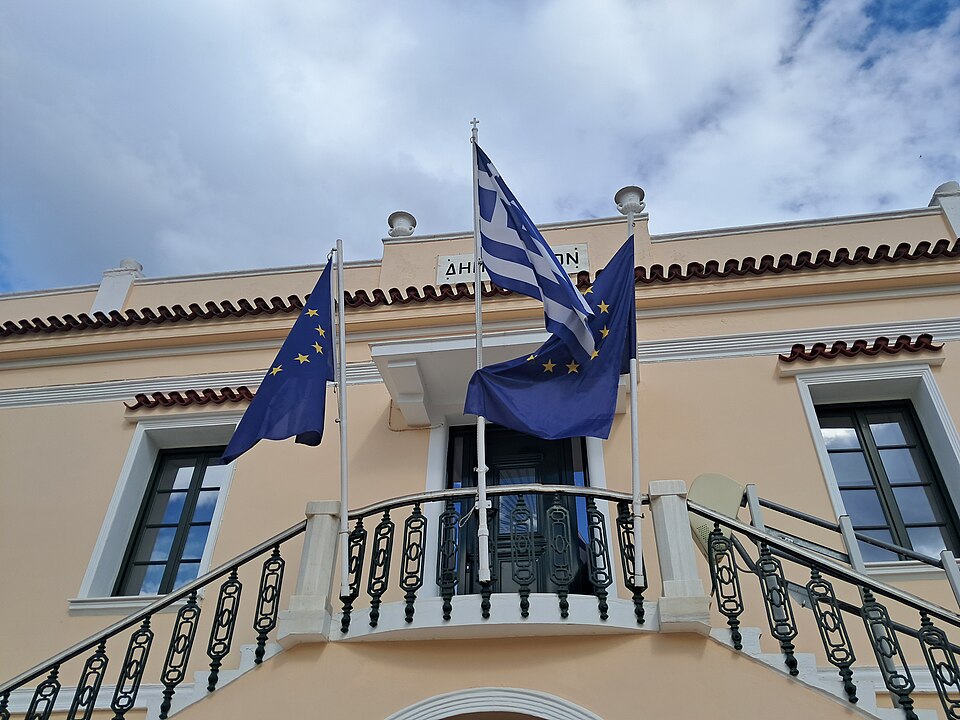
It also introduces temporary flexibility within the EU’s Clean Industrial Deal State Aid Framework, allowing additional support to address sharp increases in electricity prices affecting industrial users. Photo by NikosLikomitros, Wikimedia commons.