












The European Commission has published its eighth report under the Visa Suspension Mechanism, offering a detailed assessment of how partner countries are complying with the
conditions that underpin their visa-free access to the EU. While the findings show progress in several regions, they also highlight serious setbacks—particularly in Georgia—and broader concerns linked to migration, security and citizenship schemes.
Visa-free travel is considered a crucial diplomatic tool, supporting mobility, cultural exchange and tourism while strengthening cooperation on security and justice. But the Commission warns that misuse of the regime continues to fuel irregular migration, organised crime and security risks across the EU.
Western Balkans and Eastern partnership under scrutiny
The report states that full alignment with EU visa policy remains a priority for Western Balkan and Eastern Partnership countries. Some Western Balkan governments have adjusted visa rules to mirror EU standards, but others have either slowed progress or reversed previous commitments.
No significant advances were found among Eastern Partnership states. Georgia, in particular, stands out for diverging from EU visa policy and rolling back progress made in earlier years, despite repeated warnings from Brussels.
Migration pressures persist
Irregular migration along the Western Balkans route has fallen notably since 2023, but the report cites continuing violence by smuggling groups and mounting tensions along the Bosnia and Herzegovina–Croatia border.
Unfounded asylum applications remain a major issue, accounting for roughly 18% of all EU claims since 2015. Applications surged in 2024 from Kosovo and Ukraine, and although numbers from Albania, Georgia, Moldova, North Macedonia and Serbia have eased, they are still described as “significant.”
Visa-free Latin American nationals are also contributing to rising asylum figures, putting additional strain on EU systems. The Commission calls on partner countries to reinforce exit controls, run information campaigns, and continue working with Frontex to deter abuse.
Security concerns and document fraud
Cooperation with Europol and Eurojust remains solid across the Western Balkans and Eastern Partnership, with countries reporting progress against organised crime and cyber threats. Ukraine has continued security collaboration despite the ongoing war.
However, emerging threats—including firearm trafficking routes through Moldova and Russian-linked security concerns in Georgia—have prompted renewed EU attention. Several partners also continue to struggle with document fraud, including forged passports and identity manipulation.
Investor citizenship schemes raise alarms
The Commission again criticises investment-based citizenship programmes operated by five Eastern Caribbean nations, noting they could allow individuals who would normally require a visa to access the Schengen area. These systems, the report warns, feature fast processing, low rejection rates and insufficient security checks.
Georgia faces potential visa suspension
Georgia receives the most severe criticism in the report. The Commission accuses the government of breaching fundamental rights commitments and failing to act on multiple EU recommendations.
Brussels says Georgia has violated key obligations agreed during the visa-liberalisation process, prompting the Commission to consider formal measures under the revised Visa Suspension Mechanism, which takes effect in December 2025.
Initial sanctions could target holders of diplomatic and official passports, with the possibility of extending suspension to all citizens if the government fails to comply. Ultimately, Georgia risks losing its visa-free status entirely.
What happens next?
The Commission will continue monitoring developments and provide yearly updates to the European Parliament and the Council.
Visa-free travel currently applies to 64 non-EU countries and territories. New rules approved in June 2025 will make it easier for the EU to pause visa exemptions when risks emerge, lowering the threshold for triggering action and speeding up the decision-making process.
Annual Visa Suspension Mechanism reporting began in 2017. Since 2023, the scope has widened to cover any visa-free country facing serious challenges. This year’s assessment reflects developments throughout 2024 and into 2025.
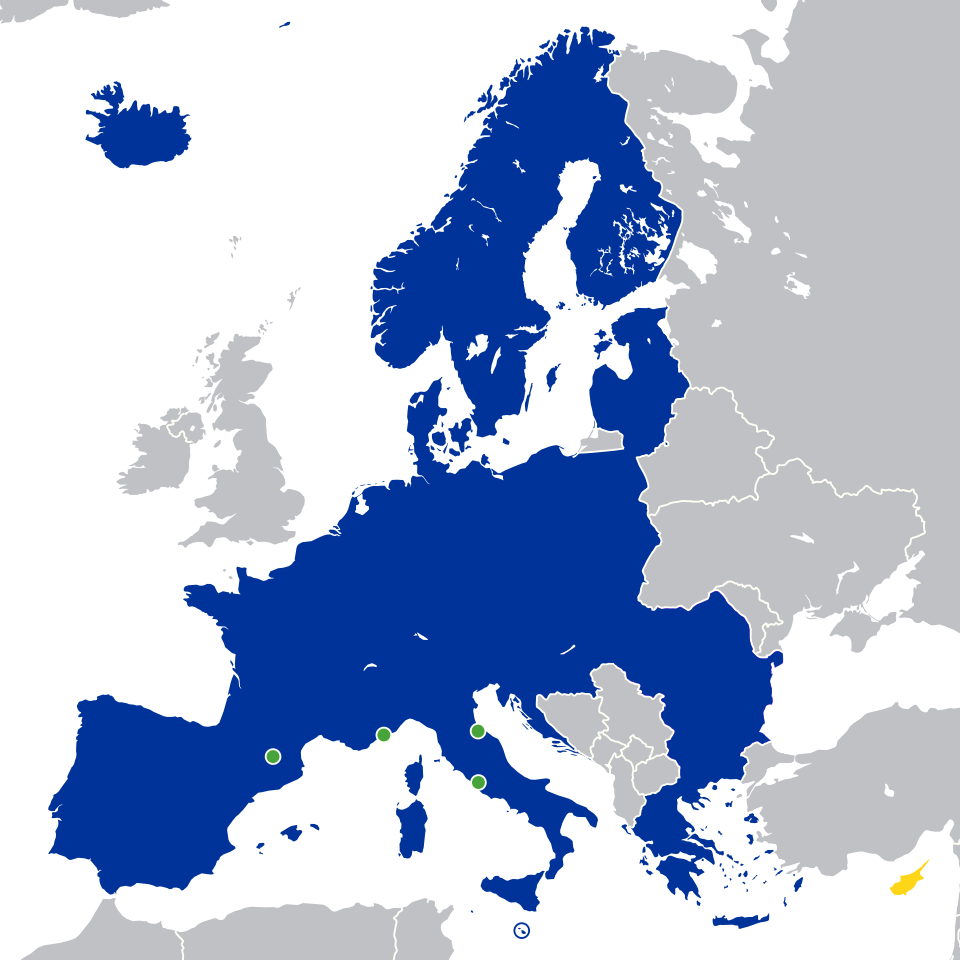
The latest findings highlight the benefits of Europe’s visa-free partnerships—but also the fragility of the system when confronted with political backsliding, border pressures and evolving security threats. Photo by Rob984, Wikimedia commons.