
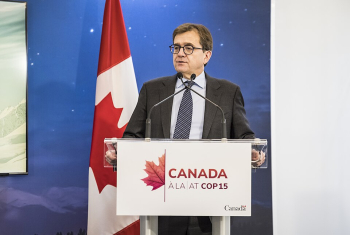












Germany’s economy minister, Katherina Reiche, said Friday that the United States’ decision to grant a temporary waiver allowing the purchase of Russian oil products appears to
be influenced largely by domestic political pressures.
Speaking at a press conference, Reiche noted that the move by the United States reflects the difficult balance Washington faces between geopolitical strategy and internal economic concerns.
“It seems to me that domestic political pressure in the United States is very, very high,” she said.
Reiche acknowledged the complexity of the decision. On one side, she warned that allowing purchases of Russian oil could help fund the war efforts of Vladimir Putin. On the other, she pointed to rising energy tensions in Asia, particularly in South Korea and Japan, where supply disruptions are creating growing concern.
Germany, she added, has not yet felt the direct impact of these shortages.
The minister also questioned the effectiveness of recent efforts by the International Energy Agency to stabilize oil markets. The agency announced earlier this week that its 32 member countries had agreed to release a record 400 million barrels of crude from strategic reserves to counter surging global prices.
Those price increases have been fueled in part by escalating tensions linked to the U.S.–Israeli war with Iran and continuing security risks in key shipping routes.
Reiche said the plan has yet to deliver the intended results because attacks on vessels in the Strait of Hormuz continue to threaten the safe passage of oil shipments.
“The biggest uncertainty right now is whether a shipment will physically make it through the Strait of Hormuz,” she said. “That remains the major unresolved risk in global energy markets.” Photo by Laurence Chaperon, Wikimedia commons.