










The EU Council has appointed two new European prosecutors to the European Public Prosecutor’s Office (EPPO), marking an important step in the
ongoing renewal of the institution’s leadership. Jennifer Vanderputten has been selected as the European prosecutor for Belgium, while Pavel Zeman will represent Czechia.
Six-year mandate starting in 2026
Both prosecutors are appointed for a single, non-renewable term of six years, beginning in July 2026. Their appointments coincide with the scheduled end of the mandates of the current European prosecutors for Belgium and Czechia.
The move is part of a partial renewal of the EPPO College, which will see seven European prosecutors replaced as their terms expire.
What European prosecutors do
European prosecutors play a central role in the EPPO’s work. They supervise investigations and prosecutions and, together with the European Chief Prosecutor, sit on the EPPO College, the body responsible for steering the office’s strategic and operational direction.
Under EU rules, the Council appoints one European prosecutor for each participating member state.
How the selection works
The appointment process begins at national level. Each participating country nominates three candidates for the post of European prosecutor.
An independent selection panel then evaluates the nominees, issuing reasoned opinions and ranking candidates who meet the legal and professional requirements. Based on this assessment, the Council selects and formally appoints one candidate per member state.
EPPO at a glance
The EPPO is the EU’s independent prosecution body tasked with investigating and prosecuting crimes that harm the Union’s financial interests. These include fraud, corruption and cross-border VAT fraud exceeding €10 million.
By the end of 2024, the office was handling 2,666 active investigations, with an estimated total damage of more than €24.8 billion to the EU budget.
The EPPO is headed by Laura Kövesi, who has served as European Chief Prosecutor since 2019. The office began operations at the end of 2020 and is based in Luxembourg.
Participating member states
Currently, 24 EU member states take part in the EPPO: Austria, Belgium, Bulgaria, Croatia, Cyprus, Czech Republic, Estonia, Finland, France, Germany, Greece, Italy, Latvia, Lithuania, Luxembourg, Malta, the Netherlands, Poland, Portugal, Romania, Slovenia, Slovakia, Spain and Sweden.
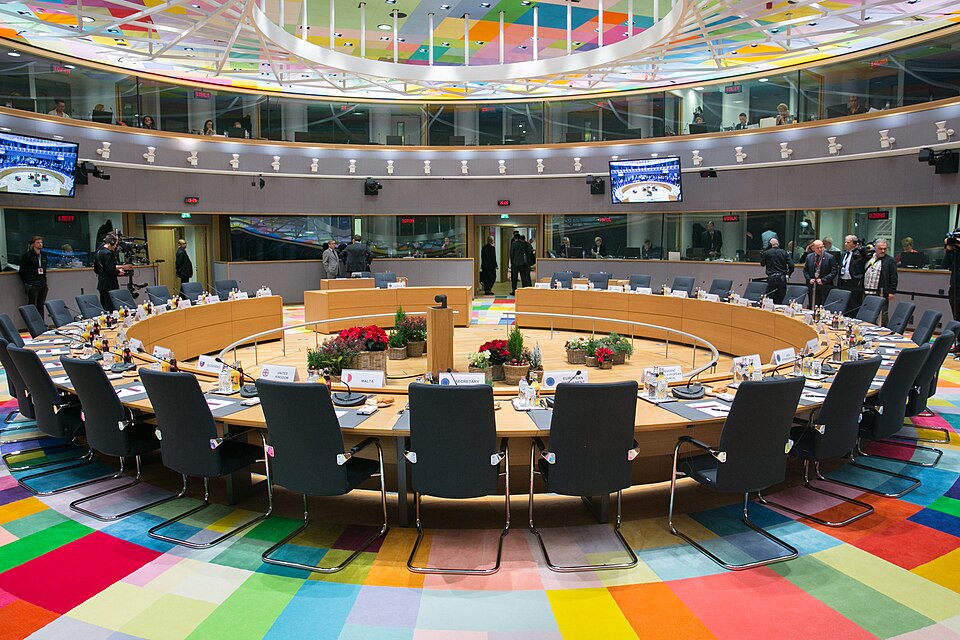
With the appointments of Jennifer Vanderputten and Pavel Zeman, the Council reinforces the EPPO’s capacity as it continues to expand its casework and protect the EU’s financial interests across borders. Photo by EU2017EE Estonian Presidency, Wikimedia commons.