











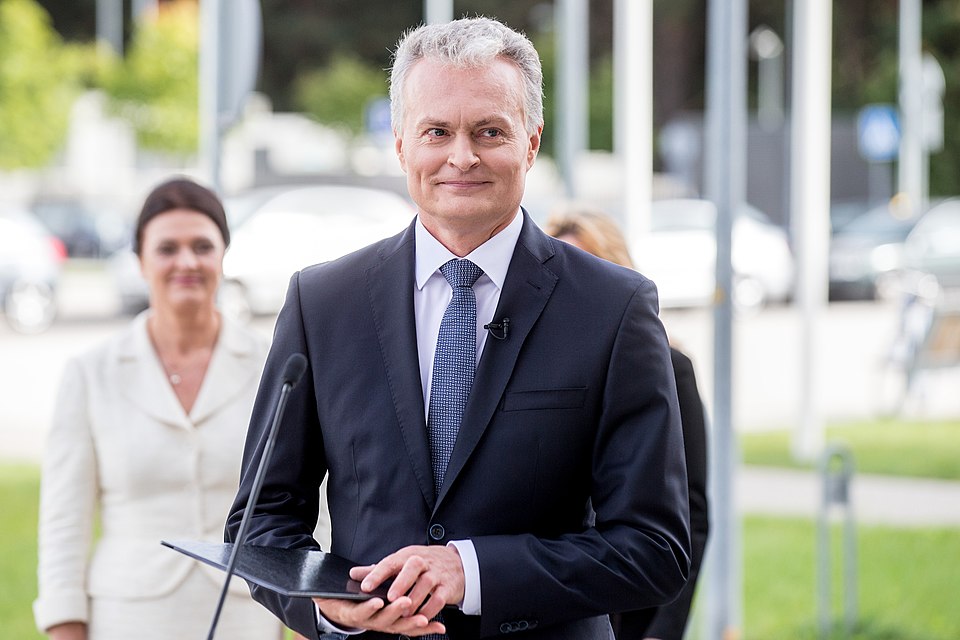
Lithuania has set an ambitious goal of seeing Ukraine and Moldova become members of the European Union by the end of the decade. President Gitanas Nausėda said his
country views the accession of both nations by 2030 as a strategic priority.
Speaking in Vilnius after meeting with Moldovan President Maia Sandu, Nausėda emphasized Lithuania’s strong support for the European aspirations of both Ukraine and Moldova.
“Moldova’s and Ukraine’s membership in the European Union no later than 2030 is a strategic goal for Lithuania,” Nausėda told reporters.
Lithuania urges continued reforms in Moldova
During the meeting, Nausėda praised Moldova’s progress in implementing reforms needed for EU integration but stressed that further efforts are necessary. He encouraged the Moldovan government to accelerate reforms tied to EU membership and ensure that they deliver clear benefits for citizens.
According to the Lithuanian president, reforms in key areas such as the judiciary and anti-corruption measures remain critical for success in accession negotiations.
2030 seen as realistic target for EU expansion
Nausėda said setting a clear target year is important for maintaining political momentum in the enlargement process. In addition to Moldova and Ukraine, he noted that several other European candidates could also realistically join the bloc within a similar timeframe.
He specifically mentioned countries such as Montenegro and Albania, as well as nations from the Western Balkans region, as part of a broader EU accession timeline.
“At the same time, if the process moves faster and membership can be achieved earlier, that would be welcome,” Nausėda said, adding that progress should be rewarded based on how successfully candidate countries implement reforms.
Moldova confident about EU path
Sandu expressed confidence that Moldova could meet the timeline, calling 2030 a realistic deadline for joining the EU.
“I believe that 2030 is a realistic deadline for Moldova’s accession to the EU,” she said, adding that her government aims to sign the accession treaty as early as 2028.
Sandu also pointed out that Moldova ranked among the best-performing EU candidate countries in an evaluation report published last year, arguing that the progress-based nature of the accession process should make the proposed timeline achievable.
Transnistria conflict remains key obstacle
However, Sandu acknowledged that resolving the long-running conflict in the breakaway region of Transnistria remains one of the biggest challenges for Moldova’s EU path.
“The biggest obstacle to reintegration is the presence of illegally deployed Russian troops,” she said, referring to forces stationed in the region by Russia. Sandu added that once this issue is resolved, other steps toward reintegration and EU membership could move forward.
Lithuania pledges continued support
Nausėda reaffirmed that Lithuania would continue assisting Moldova in its efforts to join the EU. He noted that Lithuanian experts in cybersecurity and strategic communications had recently worked in Moldova to help counter disinformation and potential information attacks ahead of parliamentary elections.
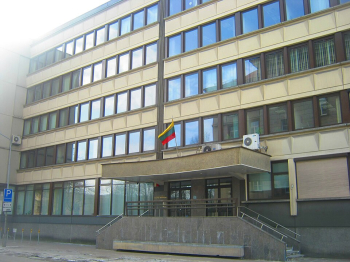
“We are ready to share this knowledge and these capabilities in the future,” the Lithuanian president said, highlighting ongoing cooperation between the two countries as Moldova advances toward EU membership. Photo by Augustas Didžgalvis, Wikimedia commons.