






Flemish cities and municipalities are preparing to sell €1.8 billion worth of public property in the coming years, as local authorities struggle to keep their
finances on track amid rising costs and shrinking budgetary room.
An analysis of municipal multi-year plans by De Standaard shows a clear trend: councils across Flanders are putting land and buildings up for sale and increasingly turning to privatisation and outsourcing to balance their books.
Asset sales surge by more than 20%
To meet the requirement of healthy budget positions by 2031, municipalities have identified large-scale asset disposals as a key source of income. The €1.8 billion total represents a 22% increase compared with the previous administrative term — more than €300 million in additional expected revenue from selling municipal land and buildings.
Local governments say the move is driven less by choice than by necessity. Rising wage costs, higher energy bills and growing demand for public services have left councils with limited fiscal leeway.
Historic buildings on the market
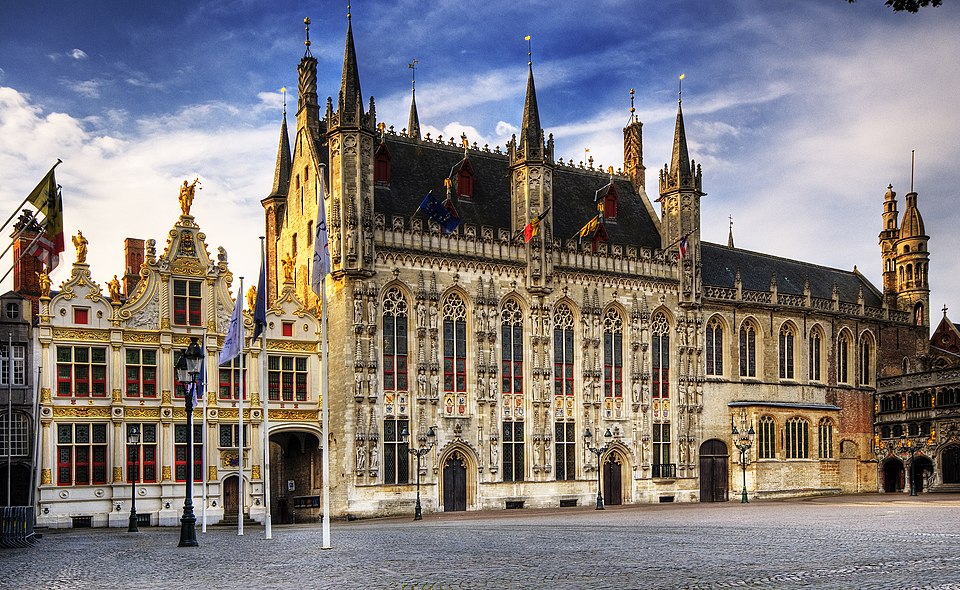
The list of properties slated for sale includes some prominent and symbolic assets. Among them are the historic town hall in Bruges and the municipal library in Kinrooi.
In Ghent, the city administration has compiled a list of more than 100 properties that could be sold, rented out, converted into social housing or leased to third parties. Elsewhere, a church in Schilde is being put on the market.
Mechelen stands out with the largest planned disposals, with roughly €124 million worth of municipal property earmarked for sale.
Outsourcing on the rise
Selling buildings is only part of the strategy. Municipalities are also increasingly handing over services that were traditionally managed in-house to private operators. Cleaning services, green-space maintenance and even the operation of swimming pools are among the activities being outsourced or corporatised.
According to the analysis, these steps are designed not only to generate one-off income through sales, but also to reduce structural expenditure over the long term.
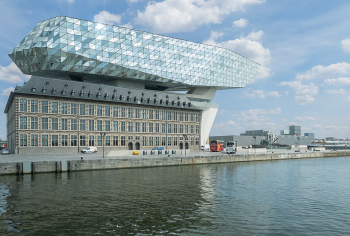
As financial pressure continues to build, the coming years are likely to see further debate over how much of Flanders’ public property should remain in public hands — and at what cost. Photo by Wolfgang Staudt, Wikimedia commons.