















The European Commission has given the green light to a major financial support package for Lithuania’s national development bank, Investicijos į Lietuvos ekonomiką (ILTE),
clearing the measures under EU State aid rules.
The package includes an €813 million capital injection in the form of equity, alongside annual exemptions worth €15 million from corporate income tax and dividend payments. The funding will be provided by Lithuania’s Ministry of Finance and is designed to strengthen ILTE’s ability to invest in areas where private financing is often insufficient.
According to the Commission, the initiative is aimed at unlocking investment in sectors that typically struggle to attract funding due to high costs, long return periods, or elevated risks. These include agriculture, renewable energy, district heating, transport, defence, and digital and social infrastructure, among others.
ILTE is expected to step in where market gaps exist, helping viable projects move forward despite limited access to private capital. Many such projects face challenges ranging from large upfront investment requirements to cautious lending practices among private financiers.
In its assessment, the Commission concluded that the Lithuanian measures comply with EU State aid rules, particularly provisions that allow support for the development of certain economic activities. It found the aid to be both necessary and proportionate, noting that it is carefully targeted at addressing market failures while limiting potential distortions to competition.
Lithuania has also committed to safeguards to ensure fair market conditions. These include restricting ILTE’s activities to areas with clear financing gaps and avoiding competition with private financial institutions, thereby preventing any crowding-out effect.
With these assurances in place, the Commission approved the measures, paving the way for increased public investment in key sectors of the Lithuanian economy.
Under EU law, State aid must meet strict criteria, including demonstrating that it provides a selective economic advantage and has the potential to affect competition and trade within the bloc. Most such measures require prior approval from the Commission unless they fall under specific exemptions.
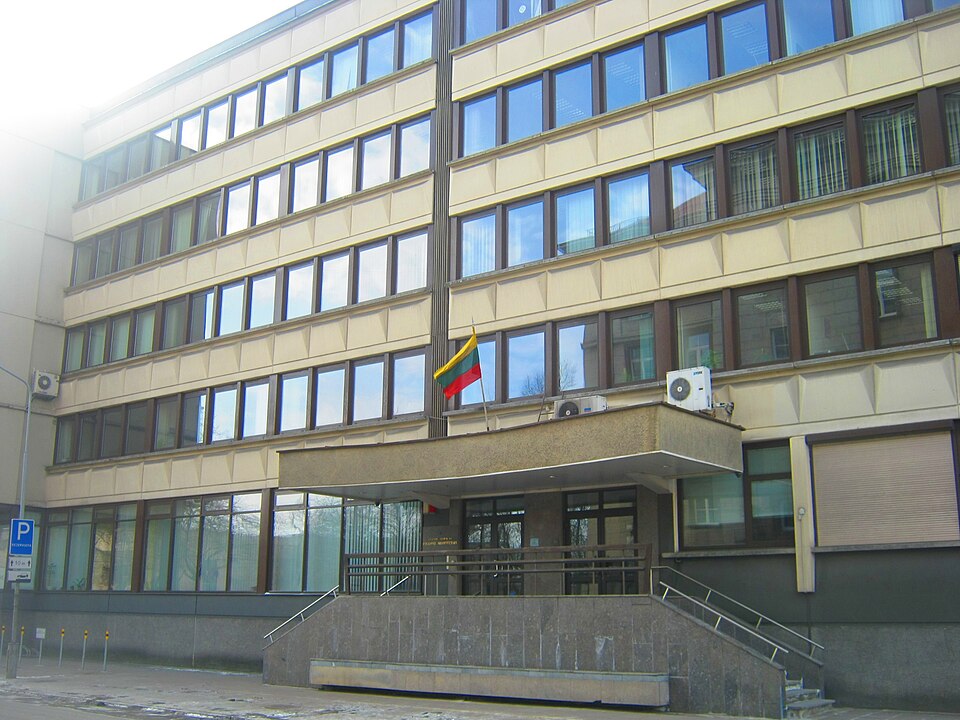
A non-confidential version of the decision will be published in the Commission’s State aid register once any sensitive information has been addressed. Photo by Bearas, Wikimedia commons.