















The Dutch government has ruled out participating in a proposed U.S. effort to block maritime traffic in the Strait of Hormuz, signaling a clear preference for de-escalation amid
rising tensions with Iran.
Defense Minister Dilan Yeşilgöz said in a radio interview that the Netherlands does not support the plan put forward by Donald Trump to restrict shipping routes in the strategically vital waterway. Speaking on the program *Sven op 1*, she warned that such a move could intensify instability rather than resolve it.
“This is escalation upon escalation,” Yeşilgöz said, emphasizing that any further disruption to maritime traffic would likely prove counterproductive. She noted that Iran has already taken steps to limit access in the past, and additional blockades could deepen the crisis.
Instead of backing the U.S. proposal, the Netherlands is coordinating with European partners—including United Kingdom, France, and Germany—to explore ways to ensure safe passage through the strait and stabilize the region.
Prime Minister Rob Jetten is expected to raise the Dutch position directly in Washington. According to Yeşilgöz, he will underline that the Netherlands is prepared to contribute responsibly—but only within a framework that avoids further escalation and is backed by clear international consensus.
She stressed that no final decisions have been made regarding Dutch involvement in any potential mission. Questions remain about the role of allies, the evolving situation on the ground, and whether specific Dutch capabilities—such as naval support—would add meaningful value. Notably, no formal request for deployment has yet been received.
At the same time, Yeşilgöz expressed concern over reports that Washington may consider reducing its military presence in Europe. Such a move, she warned, could have far-reaching consequences for collective defense.
“We rely on each other,” she said, pointing to close cooperation in training, intelligence sharing, and joint operations between European allies and the United States. A withdrawal of U.S. forces would, in her view, weaken the foundation of European security.
The Dutch minister also cautioned that tensions between Washington and some European governments—such as Spain—should be handled carefully. Public criticism of U.S. policy, she suggested, risks straining alliances at a time when unity is critical.
Context: U.S.–Netherlands relations
The Netherlands and the United States share a long-standing alliance rooted in NATO cooperation, trade, and shared democratic values. The U.S. has historically been a key security partner for the Netherlands, particularly through its military presence in Europe and joint defense initiatives.
Dutch ports such as Rotterdam serve as crucial logistical hubs for transatlantic operations, while intelligence and defense collaboration remain deeply integrated. However, differences occasionally emerge—especially when U.S. foreign policy decisions are perceived in Europe as unilateral or escalatory.
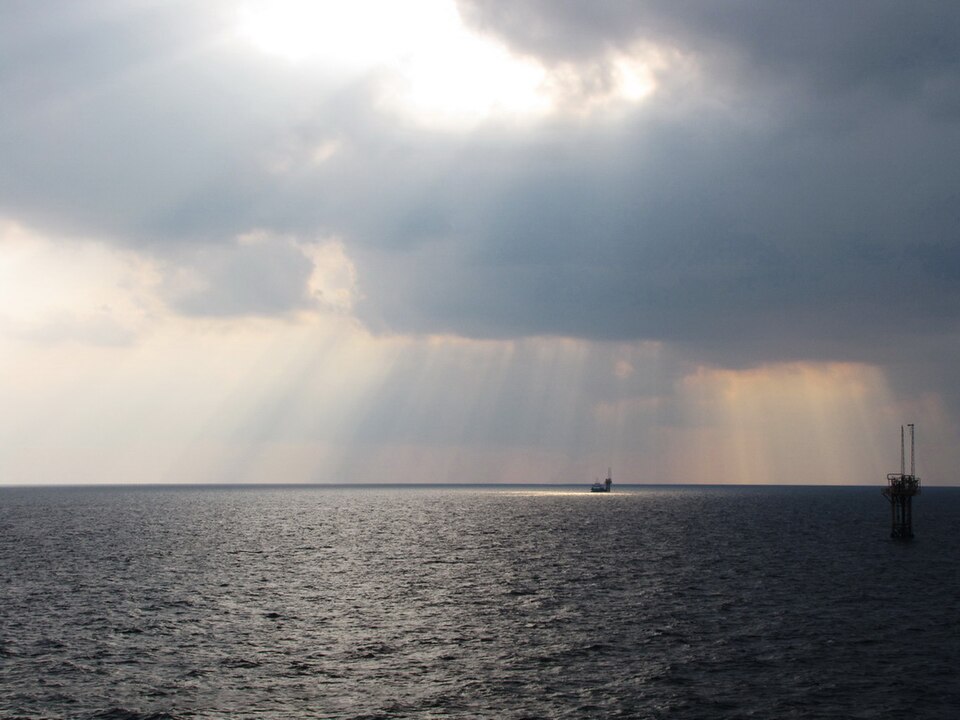
The current disagreement over the Strait of Hormuz highlights a broader dynamic: while the Netherlands remains committed to its alliance with Washington, it increasingly seeks to balance that relationship with European coordination and diplomatic restraint. Photo by Ali khodabakhsh, Wikimedia commons.