















A total of 149,678 multinational enterprise (MNE) groups operated across the European Union and European Free Trade Association (EFTA) countries in 2024, highlighting the
growing influence of international business networks on the European economy.
According to the latest data, nearly two-thirds of these multinational groups — 96,201 companies or 64.3% of the total — were controlled by EU countries. Another 14,098 groups, representing 9.4%, were controlled by EFTA countries.
Germany emerged as the leading controlling country among EU and EFTA members, overseeing 15,342 multinational groups, equivalent to 13.9% of all MNEs operating in the region. The Netherlands followed with 13,805 groups (12.5%), while Switzerland controlled 10,824 groups, accounting for 9.8%.
Countries outside the EU and EFTA were also significant players, controlling 39,379 multinational groups — 26.3% of the total. The United Kingdom led this category with 14,118 groups, ahead of the United States with 8,003 and China, including Hong Kong, with 2,135.
Multinational enterprises also played a major role in employment across Europe. In 2024, MNE groups employed 51.6 million people in EU and EFTA countries, representing 30% of total employment in the business economy, including industry, construction and services.
Luxembourg recorded the highest share of workers employed by multinational companies, with MNEs accounting for 54% of total business economy employment. Czechia and Sweden followed at 44% each, while Switzerland reached 43% and Norway 42%.
At the other end of the scale, Greece had the lowest share of employment linked to multinational groups at 14%, followed by Cyprus and Iceland, both at 18%.
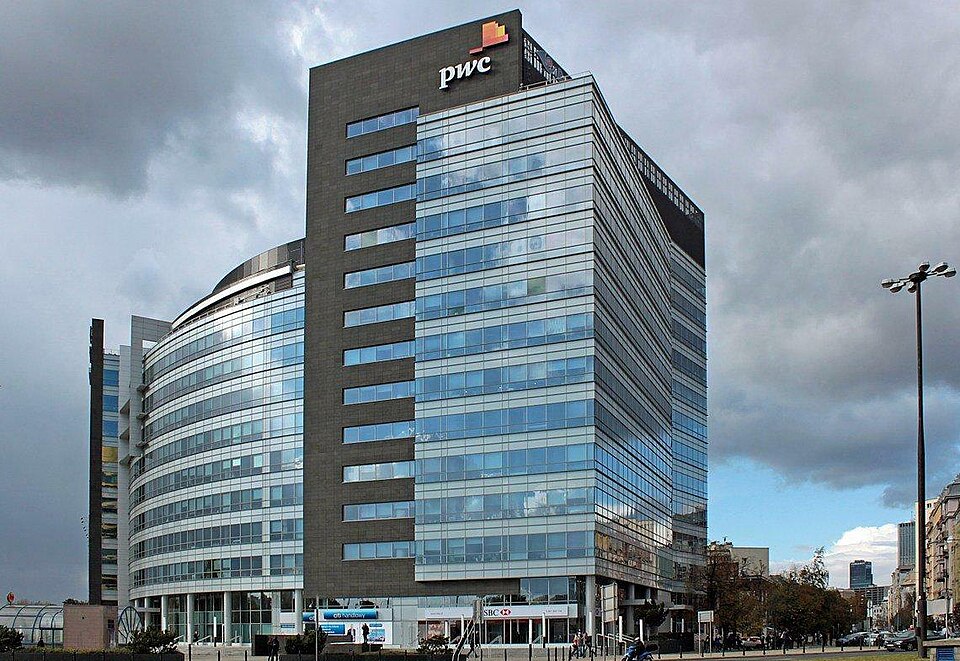
The figures underline the central role multinational corporations continue to play in shaping employment and economic activity across Europe. Photo by Petroniusz / fotopolska.eu, Wikimedia commons.