










The European Commission has warned it may withdraw millions in funding from the Venice Biennale, escalating tensions over the festival’s decision to include Russia in its
upcoming edition. At the center of the dispute is a broader question: can global cultural platforms remain neutral in times of war?
According to Italian media reports, the Biennale’s organisers received a formal letter on April 10 from the Education, Audiovisual and Culture Executive Agency (EACEA), the EU body responsible for managing cultural funding. The letter urges the festival to reconsider Russia’s participation, arguing that allowing an official Russian delegation could violate European sanctions imposed after the invasion of Ukraine.
The stakes are significant. If the Biennale fails to take what the EU describes as “corrective measures” within 30 days, it risks losing approximately €2 million in subsidies allocated through 2028.
Cultural neutrality vs political pressure
Pietrangelo Buttafuoco, president of the Biennale, has defended the decision, framing it as a commitment to artistic openness. In an interview with *La Repubblica*, he argued that the exhibition must rise above geopolitical divisions, noting that countries such as Iran, Belarus, and Israel are also included.
His stance, however, has drawn sharp criticism across Europe.
Last month, 22 European culture ministers jointly called for Russia to be excluded from the Biennale’s 61st edition. They warned that allowing participation while the war in Ukraine continues would send a troubling message about Europe’s cultural and political values.
Among them was Caroline Gennez, the Flemish minister for culture and education. She stated that a Russian presence would amount to “an insult” to Ukraine and to shared European principles. Despite her criticism, Gennez confirmed she will still attend the exhibition to support participating artists from Flanders.
The Biennale is scheduled to open on May 9, with tensions still unresolved.
A brief history of the Venice Biennale
Founded in 1895, the Venice Biennale is one of the world’s oldest and most prestigious cultural institutions. Originally conceived as an international art exhibition to celebrate Italian creativity, it quickly evolved into a global मंचfor contemporary art, architecture, cinema, dance, and music.
Over the decades, the Biennale became known for its national pavilions—spaces where countries present curated exhibitions reflecting their artistic identity. These pavilions have often mirrored global politics, from Cold War rivalries to debates over representation and censorship.
Historically, the Biennale has faced similar controversies. During the 20th century, participation and boycotts frequently reflected shifting political alliances. More recently, debates have centered on inclusion, decolonization, and the role of state-sponsored art.
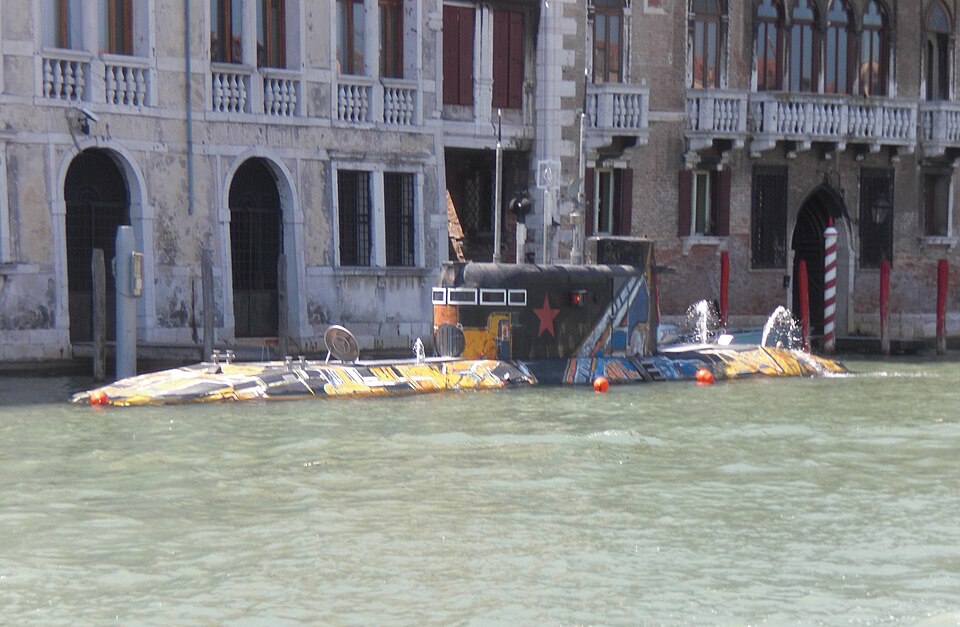
Today, the event remains a cultural barometer—where art and politics inevitably intersect. Photo by Marek Gehrmann, Wikimedia commons.