













France is attempting to recalibrate its relationship with Africa as it convenes a major summit in Kenya next week, shifting attention away from former colonial strongholds in West
Africa where its influence has sharply declined.
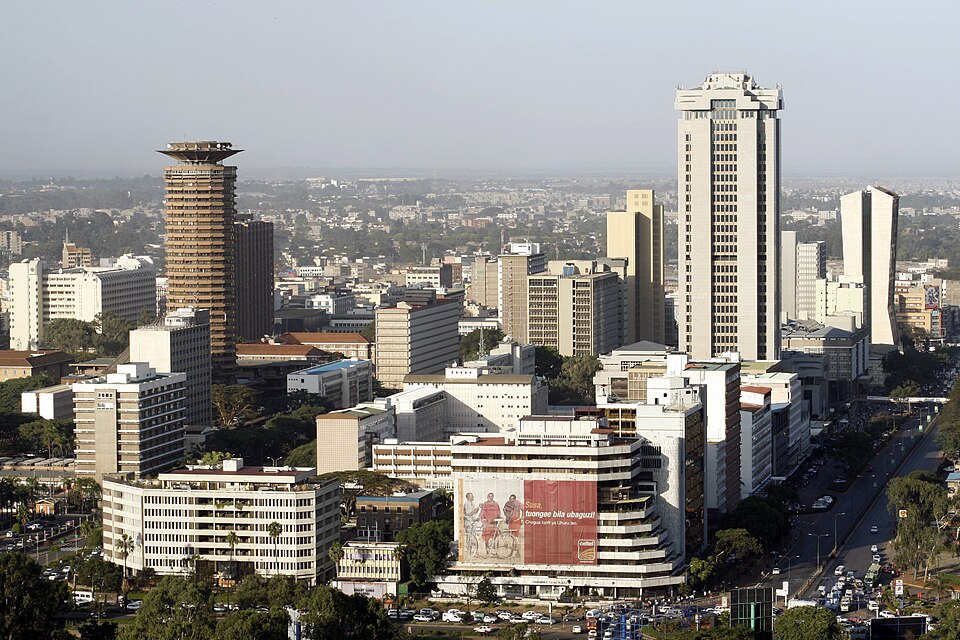
The gathering in Nairobi — the first Africa summit hosted in an English-speaking country — is being framed by Paris as part of a “renewed partnership” with the continent, as French President Emmanuel Macron enters the final year of his mandate.
According to a presidential aide at the Élysée Palace, the summit aims to signal a broader and more pragmatic engagement with African states, particularly in regions where France still retains economic, cultural, or security footholds.
Eroding influence in West Africa
France’s recalibration comes after a series of setbacks in the Sahel region, where military coups since 2020 have ushered in governments that have expelled French forces and turned to alternative security partners, including Russian-linked mercenary groups.
In parallel, France has continued withdrawing from long-standing military arrangements. It relinquished its last major base in Senegal last year after President Bassirou Diomaye Faye argued that foreign military installations were incompatible with national sovereignty.
Analysts say the changes reflect a broader repositioning. “It does feel like a rebranding of how France is positioning itself on the continent,” said Beverly Ochieng of Control Risks, noting a shift away from traditional security-heavy relationships toward broader economic and cultural engagement.
A broader African pivot
Macron, who took office in 2017 pledging to end the legacy of “Francafrique” — the informal networks linking France to its former colonies — has pushed to expand ties across the continent, including outreach to civil society, youth groups, and reform-minded governments.
Efforts to repair strained relationships have included diplomatic engagement with countries such as Rwanda and Algeria, alongside a growing emphasis on trade and investment.
Data from the International Trade Centre shows French imports from Africa rose by roughly a quarter between 2021 and 2024, underscoring deepening commercial links.
Paris has also pursued infrastructure and energy partnerships, including a €300 million investment agreement with Nigeria in 2024 covering transport, healthcare, renewable energy, and digital development.
Investment diplomacy at the center
Economic cooperation is expected to dominate discussions in Nairobi, with clean energy, artificial intelligence, and education emerging as priority sectors.
France has also expanded security partnerships beyond its traditional sphere, including a defence cooperation agreement signed last October with Kenya covering intelligence sharing, maritime security, and peacekeeping collaboration.
Kenyan President William Ruto, who will co-host the summit, is expected to use the platform to push for reforms to global financial systems that he says disadvantage heavily indebted African countries — a campaign that France has publicly supported.
Competition and uncertainty
Despite renewed engagement efforts, France faces stiff competition from countries such as China and Gulf states, which have expanded their economic footprint across Africa through large-scale infrastructure and financing deals.
Tensions have also surfaced in Kenya, where the government terminated a $1.5 billion highway expansion project previously awarded to a consortium led by [Vinci SA] later reallocating it to Chinese firms amid concerns over financial risk allocation.
As Macron’s administration seeks to redefine France’s role on the continent, analysts caution that the success of its strategy will depend on whether symbolic diplomatic resets can translate into durable economic and political influence in an increasingly competitive African landscape. Photo by DEMOSH from Nairobi, Kenya, Wikimedia commons.