
















The European Commission has stepped up its enforcement of the Digital Markets Act (DMA), sending preliminary findings to Google that could significantly reshape how artificial
intelligence operates on Android devices across Europe.
At the heart of the case is Android’s tightly controlled ecosystem. According to the Commission, Google currently limits access to key system features—such as sending messages, sharing content, or placing orders—largely to its own AI tools. Regulators now want those capabilities opened up to competitors.
Under the proposed measures, third-party AI developers would gain the ability to interact more deeply with apps installed on users’ phones. This could allow alternative AI assistants to perform everyday tasks—like sending emails through a preferred app or sharing photos—without relying on Google’s own services. Users could also activate competing AI assistants using custom voice commands, a move aimed at breaking the default dominance of Google’s built-in solutions.
The changes would directly affect services like Google’s AI assistant Gemini, part of parent company Alphabet Inc., by forcing it to compete on more equal footing with emerging AI providers. The Commission argues that this would expand consumer choice and stimulate innovation in the fast-growing AI market.
A public consultation is now underway, with stakeholders invited to submit feedback on the proposed measures by 13 May 2026. The Commission will review responses from both industry players and Google itself before issuing a final, binding decision within six months of the proceedings’ launch.
This action forms part of a broader regulatory effort. Earlier in April, the Commission also examined how Google shares search data with third parties—another key area under the DMA framework.
Bigger picture: Europe’s digital market strategy
The case highlights the EU’s increasingly assertive stance in regulating Big Tech. The DMA, which came fully into force for designated “gatekeepers” in March 2024, targets companies that control critical digital infrastructure—such as app stores, search engines, and operating systems.
By designating services like Android, Google Search, YouTube, and Chrome as core platform services, the Commission has placed strict obligations on Alphabet to prevent anti-competitive behavior. The goal is to ensure that smaller companies can compete fairly and that consumers are not locked into a single ecosystem.
The stakes are particularly high in the AI sector. Europe is positioning itself as a rule-setter for digital markets, aiming to balance innovation with competition and consumer protection. Opening Android to rival AI systems could accelerate the development of a more diverse AI landscape—while also testing how far regulators can push global tech giants to change their business models.
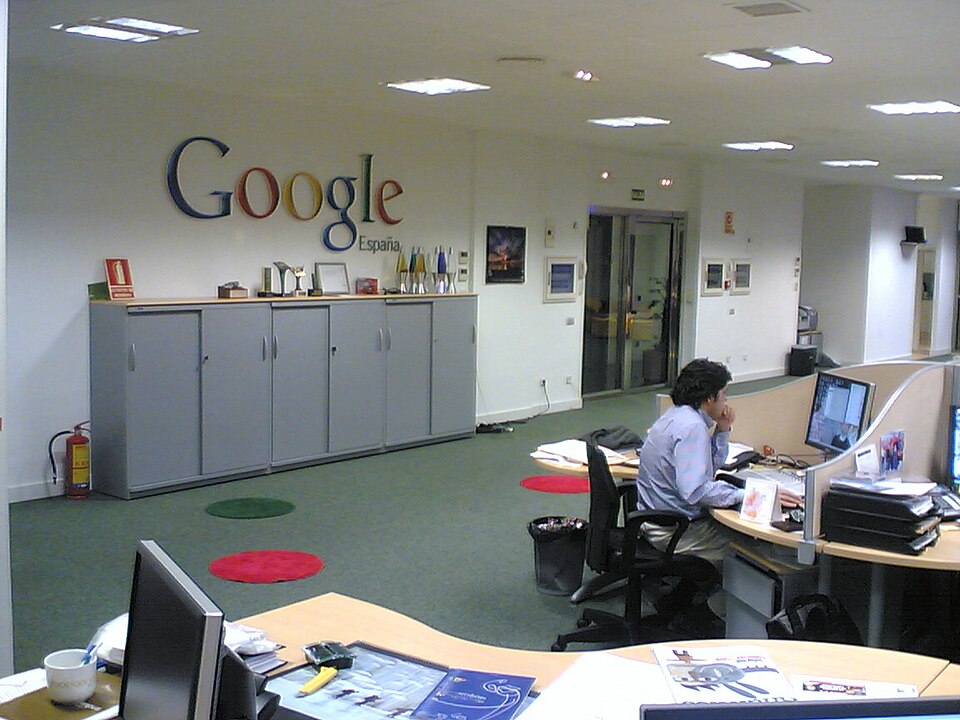
The final decision in this case is expected later in 2026 and could set an important precedent for how AI platforms are governed not just in Europe, but globally. Photo by Enrique Dans, Wikimedia commons.