














The European Commission has unveiled a package of measures designed to simplify the implementation of the EU Deforestation Regulation (EUDR), aiming to ease the burden
on businesses while ensuring the law remains effective. The move follows commitments made to the European Parliament and the Council after last December’s agreement on the revised regulation.
At the heart of the announcement is a new report outlining steps taken since the regulation entered into force in June 2023, along with additional changes introduced this week. The Commission says these efforts could reduce compliance costs for companies by around 75% compared to the original framework—an adjustment intended to make the rules more workable without weakening their environmental impact.
The package includes updated guidance, revised Frequently Asked Questions, and a draft delegated act refining which products fall under the regulation. There is also an updated implementing act for the EU’s Information System, which supports companies in meeting due diligence requirements.
According to the Commission, the simplification drive is already showing results. The report points to growing investment in supply chain traceability and increased transparency among global producers. These shifts are seen as early signs that the regulation is influencing more sustainable production practices, even before it formally takes effect.
The revised guidance aims to address recurring concerns from businesses and stakeholders, particularly around obligations in complex supply chains. It also introduces a more streamlined approach for micro and small operators, alongside clarifications on issues such as e-commerce and geolocation tracking. New visual tools have been added to help companies better understand how the rules apply in real-world scenarios.
Meanwhile, the draft delegated act proposes adjustments to the list of regulated products. Additions include items like soluble coffee and certain palm oil derivatives, while exclusions cover goods such as leather and retreaded tyres. Some categories—like product samples, packaging materials, second-hand goods, and waste—may also be exempted. The draft is open for public consultation until 1 June 2026.
On the technical side, the Commission is upgrading the Information System to improve usability. Planned changes include simplified declaration forms for smaller operators, better automated interfaces, and contingency measures for system outages. A new voluntary grouping feature has also been introduced in response to business feedback.
Officials say they are working closely with Member States to integrate national database information directly into the system. This could further reduce administrative work, especially for smaller businesses.
The Commission remains focused on ensuring the regulation is fully operational by its deadline. The EUDR will apply from 30 December 2026 for large and medium-sized companies, and for smaller firms in the timber sector. Other micro and small enterprises will follow six months later, from 30 June 2027.
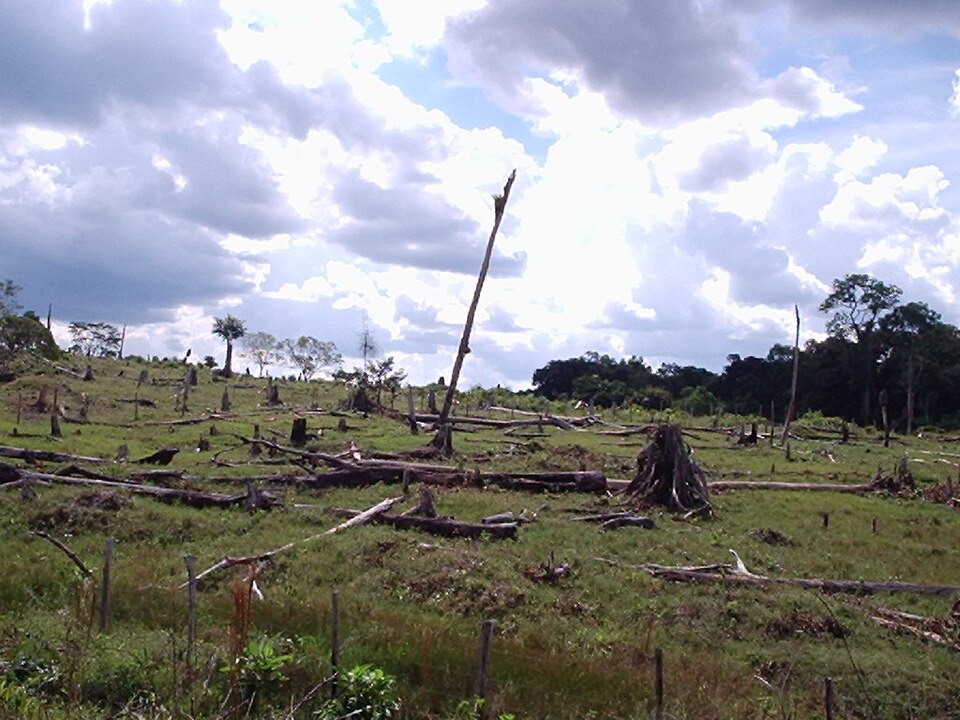
The regulation itself is a key part of the EU’s environmental strategy. It seeks to ensure that products sold within the bloc do not contribute to deforestation or forest degradation worldwide—major drivers of climate change and biodiversity loss. The law targets commodities such as cattle, wood, cocoa, soy, palm oil, coffee, and rubber, requiring companies to prove their products are sourced sustainably.
Even before coming into force, the EUDR appears to be reshaping global supply chains—pushing both companies and governments toward greater accountability and opening new opportunities for deforestation-free goods. Photo by Daniele Gidsicki, Wikimedia commons.