













Household gas prices across the European Union rose in the second half of 2025, continuing a pattern of seasonal ups and downs that had largely disappeared during the energy
crisis of 2022–2023 but is now re-emerging.
On average, consumers paid €12.28 per 100 kWh, up from €11.43 in the first half of the year. Despite the increase, prices remained broadly in line with levels seen in late 2024. Taxes and levies, meanwhile, have stayed relatively unchanged over the past three reporting periods.
The figures come from the latest data released by Eurostat, offering a snapshot of how energy costs are evolving across the bloc.
What stands out most is how uneven prices remain between countries. Sweden recorded the highest household gas costs at €20.92 per 100 kWh, followed by the Netherlands at €17.19 and Italy at €14.81. At the other end of the scale, Hungary had the lowest prices at €3.40, with Croatia (€5.43) and Romania (€5.66) also among the cheapest.
Taxes make up a significant portion of gas bills in some countries. In the Netherlands, more than half of the total price (51.8%) comes from taxes and levies. Denmark (48.9%) and Sweden (35.9%) also rank high in this regard. By contrast, Croatia (4.8%), Greece (8.1%) and Belgium (16.5%) place a much lighter tax burden on consumers.
When adjusting for differences in purchasing power, the picture shifts slightly. Gas remains most expensive for households in Sweden, Portugal and Italy, while Hungary, Luxembourg and Slovakia emerge as the most affordable.
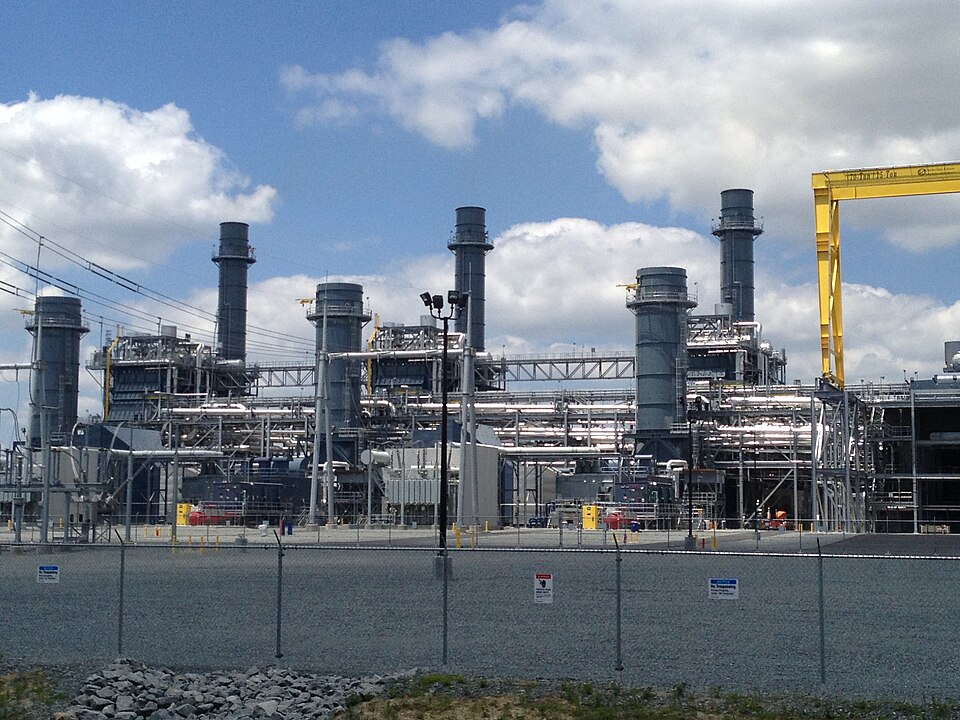
Overall, while average prices have stabilized compared to the peak crisis years, the data highlights ongoing disparities in how much households pay for gas across Europe. Photo by Peoplepoweredbyenergy, Wikimedia commons.