











After a year of stubborn price plateaus, the European energy landscape is showing signs of a cool-down. New data reveals that average natural gas prices for non-household
consumers across the European Union dropped by 8.3% in the latter half of 2025, providing a much-needed reprieve for the bloc’s industrial sectors.
According to the latest figures, the average cost for mid-sized industrial consumers—those burning between 10,000 and 100,000 gigajoules annually—slid to €6.05 per 100 kWh, down from the €6.60 recorded during the first six months of the year.
A divided continent: the price gap
While the overall trend points downward, the cost of doing business remains starkly different depending on which side of the border a factory sits. Northern Europe continues to grapple with the highest overheads, while the South and East enjoy more competitive rates.
The most expensive markets:
Sweden: €10.65 per 100 kWh
Finland: €8.63 per 100 kWh
Germany: €7.13 per 100 kWh
The most affordable markets:
Bulgaria: €4.14 per 100 kWh
Greece: €4.24 per 100 kWh
Portugal & Belgium: €4.81 per 100 kWh
Winners and losers in the shift
The downward trajectory was felt in 18 EU member states. The most significant relief was reported in Czechia, where prices plummeted by 14.6%, followed closely by Hungary (-14.4%) and Greece (-12.2%).
However, the recovery isn't universal. Four nations bucked the trend, seeing their energy bills climb despite the broader market slump:
Lithuania: +6.5%
Netherlands: +6.3%
Romania: +3.4%
Austria: +1.7%
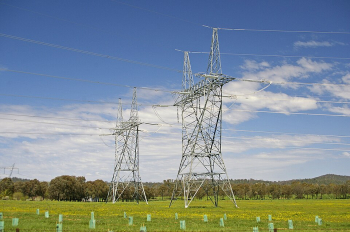
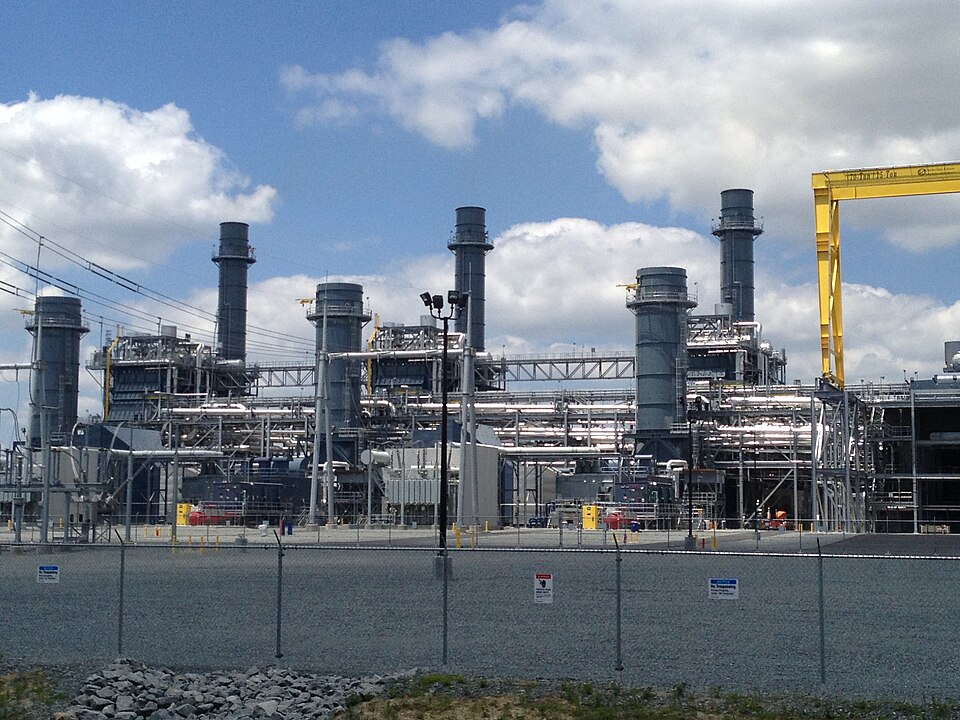
Meanwhile, the powerhouse economy of Germany saw no change at all, maintaining its price levels from the previous period. Other nations, including Spain, Slovenia, and Latvia, reported negligible fluctuations, suggesting a "wait-and-see" environment for energy procurement as 2026 approaches. Photo by Peoplepoweredbyenergy, Wikimedia commons.