











The European Union has unveiled a new humanitarian strategy aimed at safeguarding life-saving assistance as global crises intensify and funding gaps leave millions without
support.
Adopted on Wednesday, the Joint Communication on Humanitarian Aid outlines how the EU plans to remain a “reliable and principled donor” amid mounting pressure on the international aid system. The strategy comes at a time when humanitarian needs have reached record levels, with 239 million people worldwide requiring urgent assistance.
Despite growing demand, current global funding can support fewer than half of those in need, according to the European Commission. Prolonged conflicts, insecurity, and sharp reductions in aid budgets are further hampering the delivery of emergency assistance.
The new EU approach is built around three priorities — protect, perform and partner — designed to strengthen humanitarian operations while improving efficiency and long-term resilience.
European Commission President Ursula von der Leyen said the bloc would continue defending both vulnerable populations and humanitarian workers operating in dangerous conditions.
“As the leading humanitarian donor worldwide, the European Union continues to defend the dignity of those in need, as well as those who risk their lives to help them,” von der Leyen said. “With this package, we are ensuring life-saving aid is delivered more efficiently, even in the toughest environments.”
Under the “protect” pillar, the EU plans to intensify humanitarian diplomacy and expand measures to safeguard aid workers. The bloc said it would use political dialogue, international advocacy and peace mediation efforts to secure safer access for humanitarian operations. Greater emphasis will also be placed on involving local communities and ensuring aid reaches the most vulnerable groups.
The “perform” section focuses on reforming humanitarian supply chains and improving the efficiency of aid delivery. The EU said it would increase the use of cash assistance, anticipatory action and multi-year funding mechanisms to make support more predictable and cost-effective.
Through the “partner” pillar, Brussels aims to strengthen cooperation with international financial institutions, private investors and philanthropic organisations to develop new financing models for fragile regions. Officials say the goal is to reduce long-term dependency on humanitarian aid by investing in resilience and stability.
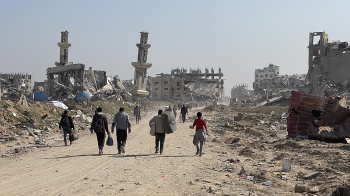
The announcement comes as the global humanitarian system faces escalating strain from conflicts in Gaza, Ukraine and Sudan, alongside severe cuts in international funding.
According to the Commission, the number of forcibly displaced people and asylum seekers has doubled over the past decade, reaching 117.3 million in 2025. Around 500 million children are now living in or fleeing conflict zones, while acute hunger and malnutrition continue to worsen worldwide.
The EU and its member states currently provide the largest share of global humanitarian funding, accounting for 35% of worldwide contributions in 2025. The European Commission alone has allocated nearly €2 billion in humanitarian assistance this year.
Public backing for humanitarian action within the bloc also remains high. A 2024 Eurobarometer survey found that 91% of EU citizens believe it is important for the EU to fund humanitarian aid.