














Sweden has abandoned a proposal to allow the imprisonment of 13-year-old offenders after failing to secure sufficient parliamentary backing, prompting the government to
revise its approach to youth crime amid rising gang-related violence.
The centre-right government instead plans to lower the age of criminal responsibility from 15 to 14, in what Justice Minister Gunnar Strömmer described as a more “fair and proportionate” framework for handling serious juvenile offenders.
Sweden is currently facing an escalation in child recruitment by criminal networks, with more than 50 children under the age of 15 appearing in court last year on charges including murder or attempted murder, according to officials.
“By lowering the age of criminal responsibility… fairer and proportionate sanctions can be imposed, and we will be able to create better conditions for rehabilitation than today,” Strömmer said.
Under current Swedish law, offenders under 15 cannot be sentenced to prison and are instead placed in state-run youth homes. Critics within the government argue that these facilities are failing to prevent reoffending, with claims that some have become recruitment environments for gangs.
The revised plan comes ahead of September elections, and would involve eight existing prisons creating dedicated youth sections designed to keep minors separate from adult inmates.
Officials say the aim is to strengthen societal protection against violent crime while also addressing cases in which victims are themselves children.
However, child rights advocates have strongly criticised the move. Maria Frisk, secretary general of the Swedish children’s rights organisation Bris, argued that instead of lowering the age of criminal responsibility, Sweden should improve its existing youth care system.
“Nothing indicates that lowering the age to 14 will turn the situation around,” she said.
Sweden’s National Council for Crime Prevention Brottsförebyggande rådet (Brå) has reported a notable rise in homicides over the past decade, increasing from 87 a decade ago to 121 in 2023, before falling to 92 in 2024.
The policy debate is unfolding against the backdrop of escalating gang violence. One of the most prominent groups, Foxtrot network, has been linked to the exploitation of teenagers for serious crimes, including shootings and bombings.
Its leader, Rawa Majid, has been involved in a violent feud with rival figure Ismail Abdo, which intensified Sweden’s gang conflict in 2023.
Authorities say minors have been recruited for attacks on sensitive targets, including the Israeli embassy in Stockholm and facilities linked to the defence company Elbit Systems in Gothenburg.
Sweden’s security service Säpo has previously suggested that some of these operations may be connected to Iranian influence, alleging that criminal networks were used to carry out attacks on Israeli or Jewish sites. Iran has rejected the claims as unfounded.
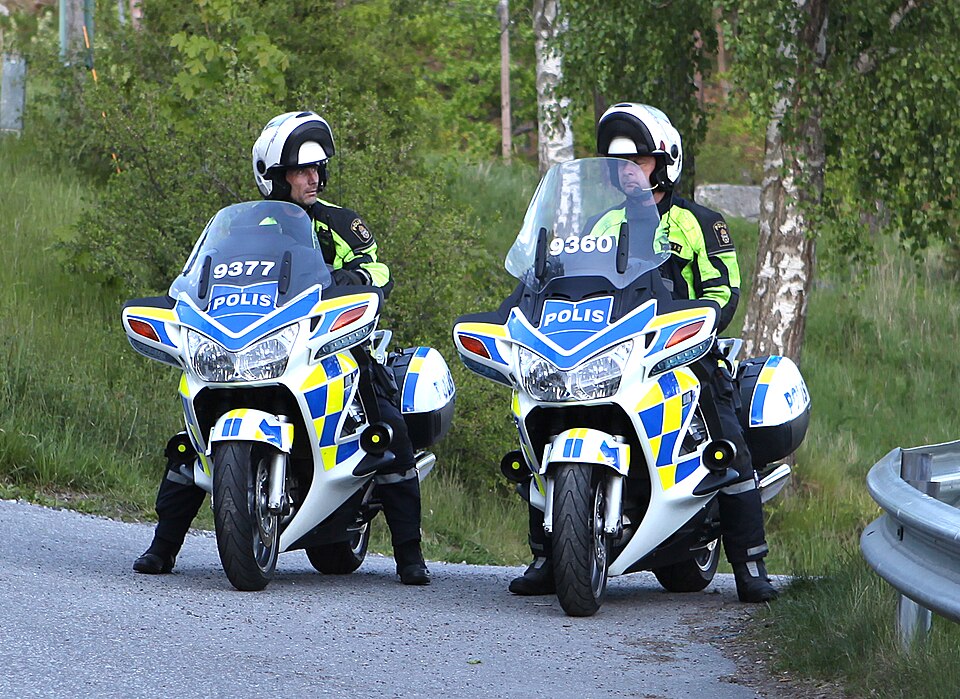
The debate over juvenile sentencing comes as international pressure grows, with both the United States and United Kingdom imposing sanctions on Foxtrot and its leadership, citing their alleged involvement in orchestrated violence targeting Jewish and Israeli interests in Europe. Photo by Bengt Nyman, Wikimedi commons.