


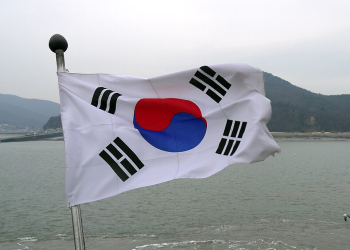

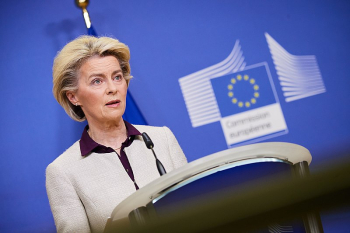







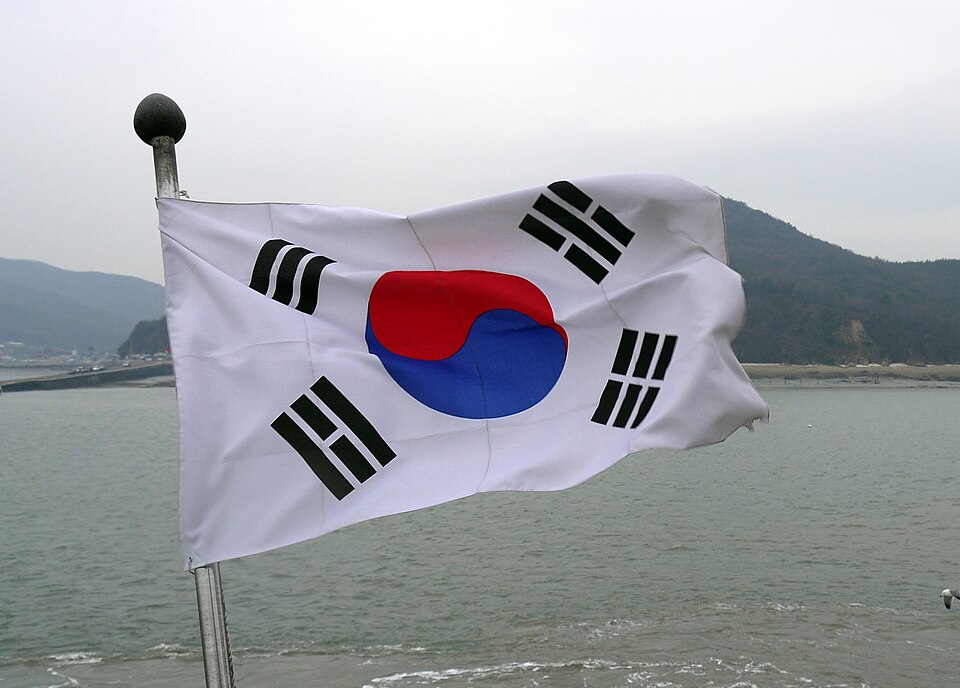
The European Union and the Republic of Korea today elevated their strategic partnership during the 11th EU–Republic of Korea Summit in Brussels. European Commission
President Ursula von der Leyen and European Council President António Costa met with President Lee Jae-Myung to advance cooperation across economic security, trade, defence, innovation, energy, and global security.
The Summit marked a significant step forward in bilateral relations, delivering a series of initiatives designed to strengthen resilience, promote sustainable growth, and address shared global challenges.
“The partnership between the European Union and the Republic of Korea has never been more important,” said President Ursula von der Leyen. “Together, we are enhancing economic security, driving innovation, and creating tangible benefits for our citizens while building a more prosperous future for the next generation.”
Strengthening economic competitiveness
Leaders agreed to establish a new Competitiveness Partnership aimed at deepening cooperation in areas of strategic importance, including trade, investment, supply chains, digital technologies, advanced industries, energy, and innovation.
To support these efforts, both sides will launch a High-Level Economic Dialogue that will further strengthen cooperation on economic security, trade, and industrial policy. The initiative will build on existing mechanisms such as the EU–Korea Trade Committee, the Strategic Dialogue on Economic Security and Emerging Trade Issues, and the Industrial Policy Dialogue.
Advancing a modern trade agenda
A key outcome of the Summit was the signing of the EU–Republic of Korea Digital Trade Agreement. The agreement will facilitate more efficient and predictable digital transactions while reinforcing a shared commitment to open, fair, and competitive digital markets.
Leaders also welcomed continued progress under the existing free trade framework and highlighted advances in trade and sustainable development, including Korea’s ratification of core International Labour Organization conventions.
The EU further noted the completion of its internal procedures to launch negotiations on a Mutual Recognition Agreement (MRA) covering conformity assessments, certificates, and markings. The agreement would reduce duplicate testing and certification requirements, supporting businesses on both sides.
Both parties also committed to continuing efforts to expand market access for agri-food products, including beef, poultry, and pork.
Enhancing security and defence cooperation
Recognising the growing interconnection between European and Indo-Pacific security, leaders reaffirmed their commitment to multilateralism and the rules-based international order.
The EU and the Republic of Korea reiterated their support for Ukraine in response to Russia’s war of aggression and expressed serious concern regarding the Democratic People’s Republic of Korea’s unlawful nuclear and ballistic missile programmes. They also reaffirmed the importance of achieving the complete denuclearisation of the Korean Peninsula.
To strengthen cooperation in security and defence, both sides agreed to expand their Security and Defence Partnership. Priority areas include cybersecurity, hybrid threats, foreign information manipulation and interference (FIMI), counterterrorism, non-proliferation, maritime security, and space security.
Leaders also committed to pursuing a Security of Information Agreement to facilitate the secure exchange of classified information.
Accelerating the energy transition and innovation
The Summit launched a new High-Level Energy Dialogue to coordinate efforts on energy security, economic resilience, and the transition to clean energy.
In research and innovation, leaders welcomed the first collaborative projects under Korea’s association with Horizon Europe, the EU’s flagship research and innovation programme. They also agreed to support the international expansion of deep-tech startups through cooperation with the European Innovation Council.
Tackling transnational crime and terrorism
Leaders welcomed the conclusion of negotiations on a Passenger Name Records agreement. Once implemented, the framework will strengthen cooperation in combating transnational crime and terrorism while ensuring robust data protection safeguards.
The outcomes of the 11th EU–Republic of Korea Summit reflect a shared commitment to building a stronger, more resilient, and future-oriented partnership capable of addressing the opportunities and challenges of an increasingly interconnected world. Photo by Valentin Janiaut, Wikimedia commons.