












Air transport prices across the European Union have experienced sharp fluctuations over the past 18 months, reflecting changing travel demand, seasonal booking patterns and
the impact of geopolitical events.
New figures covering the period from January 2025 to June 2026 show that air fares rose and fell markedly from month to month, with international routes driving most of the volatility.
The largest annual increase was recorded in April 2025, when air transport prices were 13.7% higher than a year earlier. Price rises then moderated during the summer before reversing at the start of 2026.
Air fares fell year-on-year in January 2026 before increasing again in February and March. Prices then dropped sharply by 4.7% in April compared with the same month in 2025. The decline proved short-lived, with fares rebounding by 8.1% in May and rising by a further 3.1% in June.
International flights accounted for most of the changes. Prices for international air travel rose by 14.1% in April 2025 and by 8.7% in May 2026, while also recording steeper declines than domestic services during weaker periods.
By June 2026, international air fares were 4.5% higher than a year earlier, while domestic flight prices increased by 2.0%.
The data also reveal wide differences between EU member states.
Belgium recorded some of the strongest price increases, with air fares rising by 41.5% in April 2026 compared with the previous year, before easing to 33.8% in May and 28.7% in June.
At the other end of the scale, Slovakia experienced the steepest falls, with prices dropping by 53.0% in April, 48.2% in May and 45.1% in June.
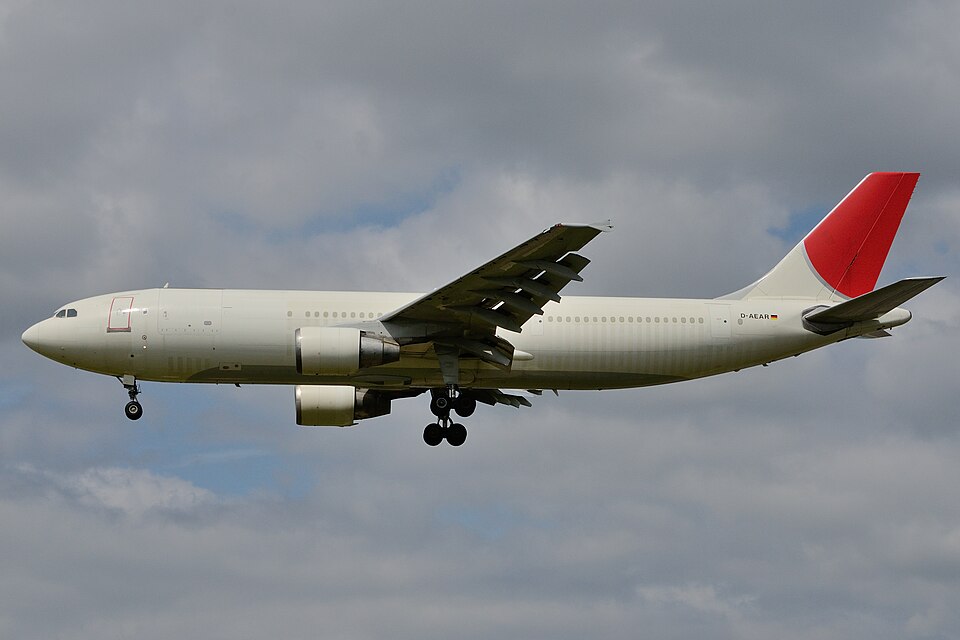
Most EU countries saw air fares decline in April before recovering in May. In June, Austria and Greece posted some of the strongest annual increases, at 22.3% and 15.1% respectively. Hungary and Poland were among the countries with the largest declines, with fares down 13.6% and 13.1%. Photo by NMOS332, Wikimedia commons.