








Ukraine could be ready to join the European Union by 2030, according to European Commissioner for Enlargement Marta Kos, who spoke during a visit to Vilnius.
In an interview with BNS, Kos said the accession timetable is achievable from a technical standpoint. “From the technical point of view, meaning the clean negotiation process I am responsible for, yes, it is doable,” she noted.
Lithuania has urged the bloc to set January 1, 2030, as the date for Ukraine’s entry. The European Commission aims to launch official accession talks with both Ukraine and Moldova later this year, though Hungary has continued to block progress on Kyiv’s application.
Kos highlighted the inconsistency of Budapest’s stance. “The case of Hungary is interesting because this country has given the green light to give Ukraine a candidate status. And then it has changed its mind,” she said. “So on the one hand, we have to bring Ukraine to the end of the accession process. On the other hand, we have to talk to Hungary and to any other member states that would have concerns regarding the EU membership of Ukraine.”
Despite the ongoing war, Ukraine is advancing in the negotiation process at a pace that Kos described as remarkable. “What we are experiencing now, it’s unbelievable sometimes that a country fighting a war is at the same time negotiating, when we know exactly how difficult this is,” she said, noting that Sweden—previously considered the fastest candidate—still required three years to complete its accession.
Kos also pointed to 2027, when Lithuania assumes the rotating EU presidency, as a potentially decisive moment for the enlargement agenda. She said that if negotiations proceed as planned, talks with Montenegro could wrap up by the end of 2026, paving the way for Lithuania’s presidency to finalize the country’s accession treaty.
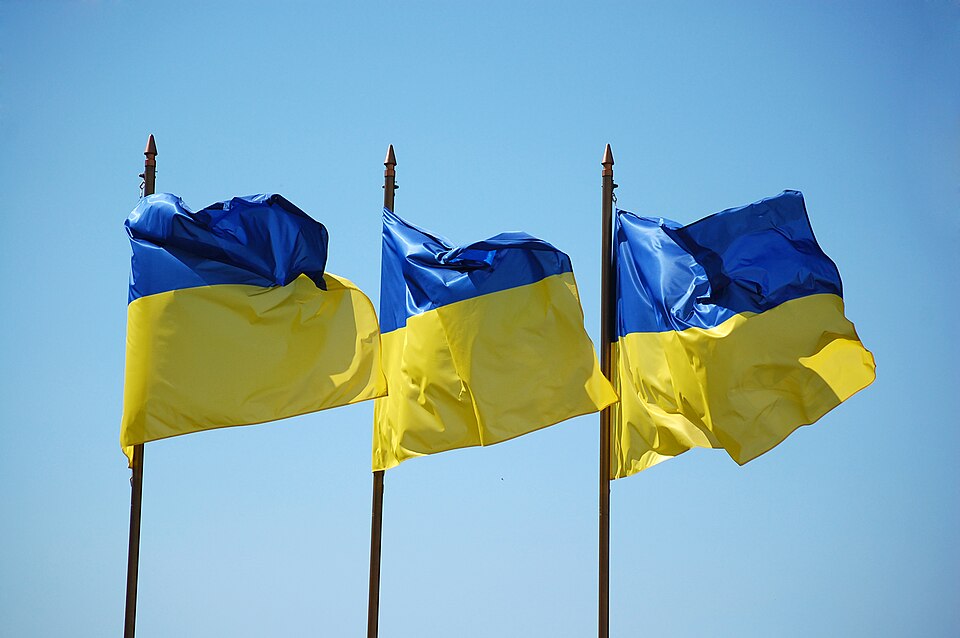
Albania hopes to conclude its negotiations by the end of 2027, a target supported by the Commission. “We will also be closing chapters for Albania,” Kos said. “And I hope we will be closing a lot of chapters also for Ukraine and Moldova.” Photo by Vladimir Yaitskiy, Wikimedia commons.