











The European Commission has proposed mobilising €2 million from the European Globalisation Adjustment Fund (EGF) to help 507 workers dismissed
following the bankruptcy of Liberty Steel Belgium.
Liberty Steel’s Belgian operations ground to a halt in December 2021 after shortages of raw materials disrupted production. Although restructuring efforts were launched, the steelmaker never managed to restart its production lines. Employees were placed on temporary unemployment schemes while the company remained inactive. After more than three years of uncertainty, the Liège Commercial Court declared the company bankrupt on 22 April 2025, leaving 507 workers without jobs.
The proposed EGF package is designed to help those affected get back on their feet and re-enter the labour market. Support measures include personalised career guidance, training in new professional and transferable skills, and tailored assistance for workers who want to set up their own businesses. The total cost of the programme is estimated at €2.4 million. Of this, 85% (€2 million) would be financed by the EU, with the remaining 15% (€400,000) covered by the Walloon public employment services.
Belgian authorities began assisting the dismissed workers as early as June 2025, shortly after the bankruptcy ruling. Under EU rules, the EGF can retroactively reimburse eligible costs incurred since that date.
Next steps
The Commission’s proposal must now be approved by the European Parliament and the Council of the European Union. Adoption requires a simple majority vote in Parliament and a qualified majority in the Council.
A proven safety net for workers
Since its creation in 2007, the EGF has supported 181,167 people across 20 EU countries, intervening in 186 cases and disbursing a total of €727 million. The fund complements national labour market measures, focusing on retraining and reintegration rather than passive income support.
According to the latest biennial EGF activity report, 81% of workers who received EGF support found new employment within 18 months.
The fund is also evolving. Helping Europeans adapt their skills to a rapidly changing job market remains a key priority for the Commission. On 25 February 2026, EU governments and the European Parliament agreed to expand the EGF’s scope so it can support workers even before layoffs take place. Employees at imminent risk of redundancy will be able to access training early, improving their chances of staying employed or moving quickly into new jobs.
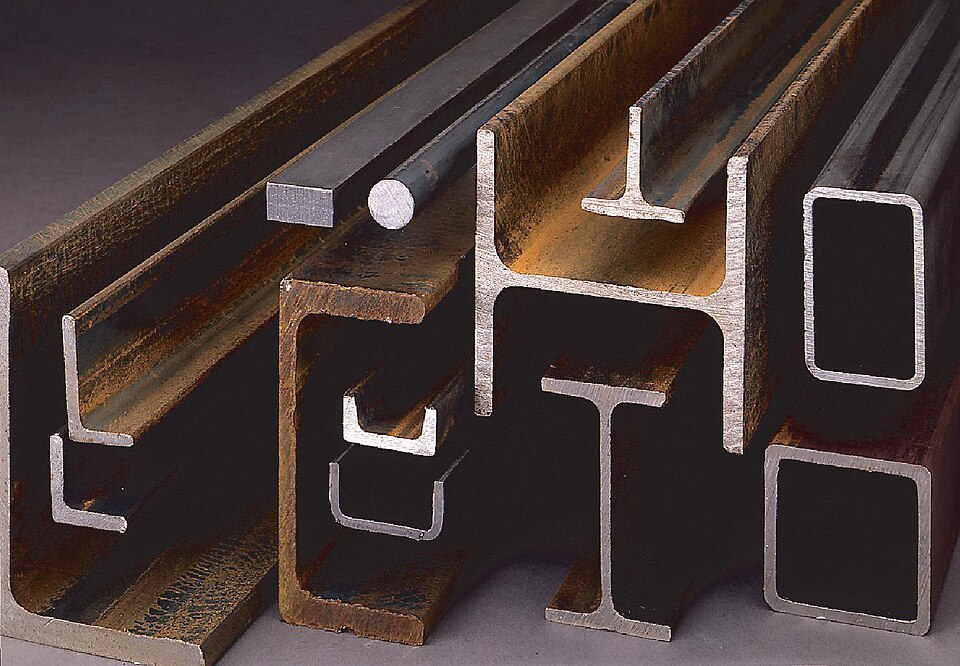
This broader approach is complemented by the Skills Guarantee pilot launched by the Commission in November 2025, a flagship initiative under the Union of Skills aimed at strengthening strategic and fast-growing sectors and supporting Europe’s long-term competitiveness. Photo by Steel Construction, Wikimedia commons.