







French voters are now more inclined to prevent the hard-left from taking power than to stop the far-right, according to a new opinion poll that highlights a striking shift in the
country’s political landscape.
A survey published on Wednesday by Elabe found that nearly two-thirds of respondents would vote tactically in a two-round election to keep the hard-left party France Unbowed (LFI) out of office. By contrast, only 45% said they would do the same to block the far-right National Rally (RN).
The findings suggest that the RN, once widely regarded as France’s most politically toxic force, is no longer seen as the primary red line for many voters.
The poll follows the killing of 23-year-old far-right activist Quentin Deranque, an incident that shocked the country and appears to have hardened public attitudes toward the radical left. Prosecutors say several suspects are under formal investigation, including an aide to an LFI lawmaker, though all those implicated deny the allegations.
For years, the RN was routinely shut out of power by an informal “republican front,” with rival parties uniting in second-round ballots to defeat its candidates. That strategy helped keep the party at bay despite its steady rise in popularity.
Now the tables appear to be turning. RN leaders have seized on concerns about far-left violence to bolster their efforts to present the party as a more respectable, mainstream option. The party is currently the largest single force in parliament and is increasingly viewed as a serious contender for victory in the 2027 presidential election.
In the wake of Deranque’s killing, RN officials have urged their opponents to erect a similar “sanitary cordon” against LFI. The latest polling suggests a significant share of voters are receptive to that argument.
The shift is also fuelling tensions on the left. Former centre-left president Francois Hollande has publicly called on the Socialist Party to sever its ties with LFI, warning that association with the hard-left risks alienating moderate voters.
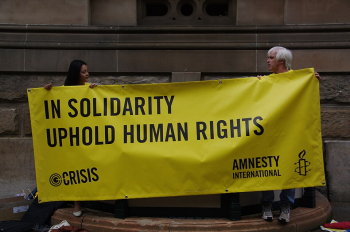
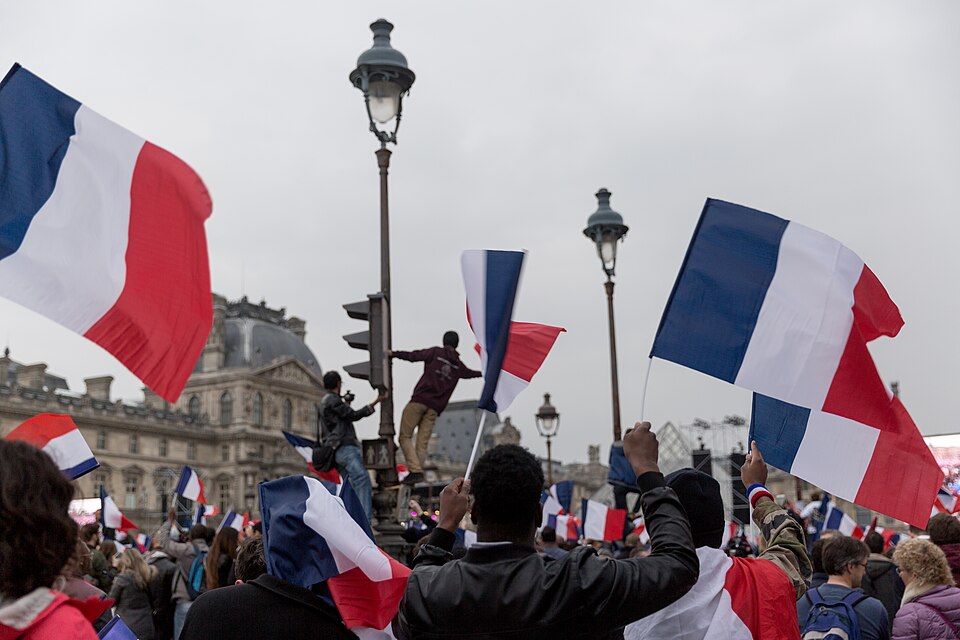
Taken together, the results point to a profound reordering of political taboos in France, where the far-right is no longer automatically seen as the ultimate danger — and where the radical left is facing growing resistance at the ballot box. Photo by Lorie Shaull from Washington, United States, Wikimedia commons.