














The European Commission has stepped up efforts to bring EU citizens home safely, coordinating a series of emergency repatriation flights from the
Middle East under the EU Civil Protection Mechanism.
Over the past two days, the Commission’s Emergency Response Coordination Centre (ERCC) supported EU Member States in organising six repatriation flights, returning European nationals to Bulgaria, Italy, Austria, and Slovakia. More flights are expected in the coming days as additional countries activate the Mechanism in response to the evolving security situation in the region.
The Commission says its priority is clear: to protect EU citizens stranded abroad and support Member States in safely bringing them back to Europe. As of 5 March, ten countries have formally requested assistance through the Mechanism — Belgium, Bulgaria, Czechia, France, Italy, Cyprus, Luxembourg, Romania, Slovakia, and Austria.
The ERCC is responsible for the logistical coordination of flights offered by Member States and remains in close contact with EU delegations and national consular authorities on the ground. According to the Commission, all available resources are being mobilised to ensure swift and effective cooperation between countries.
Financial support is also part of the EU response. The Commission can reimburse up to 75% of eligible costs for repatriation flights when at least 30% of seats are made available to citizens from other EU countries. In cases where no Member State is able to provide assistance, the Commission may arrange flights directly through the rescEU mechanism, covering 100% of the costs.
Background
Any country in Europe or beyond can request emergency assistance by activating the EU Civil Protection Mechanism. Once triggered, the Commission plays a central role in coordinating the response and contributing to transport and operational expenses linked to repatriation efforts.
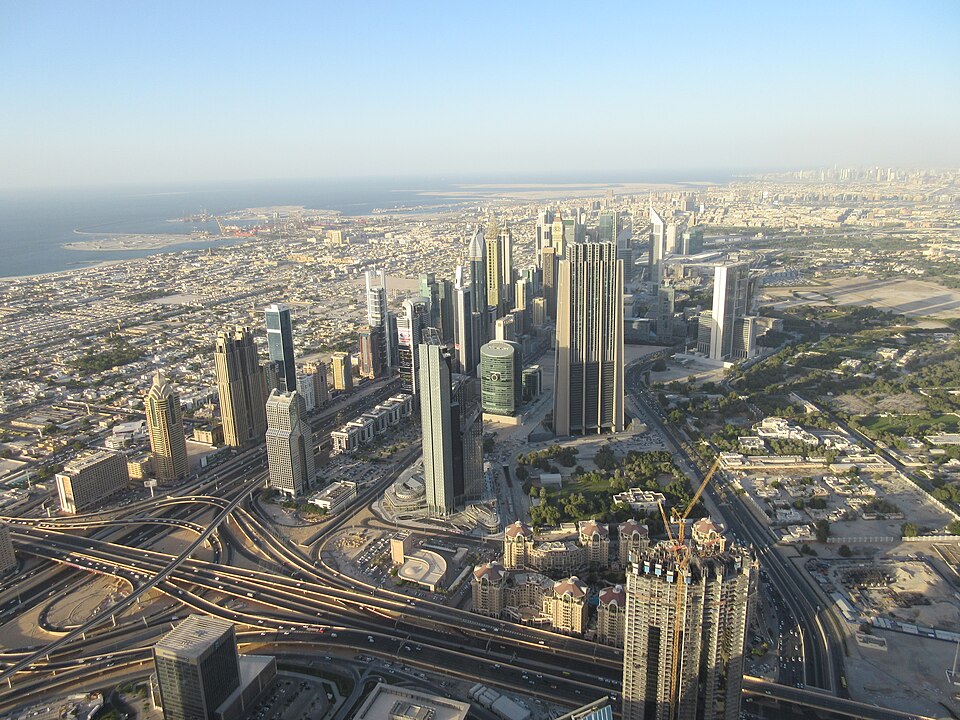
Following recent developments in Iran and the wider Middle East, many EU citizens have been left stranded due to the closure of major airports. Disruptions have also affected parts of the Asia-Pacific and Africa regions. In response, EU Member States and participating countries have increasingly turned to the Mechanism to secure support for evacuating their citizens. Photo by ianpudsey, Wikimedia commons.