













Unemployment across the euro area continued its gradual decline at the start of 2026, reinforcing signs of resilience in the European labour market despite ongoing economic
uncertainty.
In January 2026, the seasonally adjusted unemployment rate in the euro area stood at 6.1%, down from 6.2% in December 2025 and 6.3% a year earlier, according to data published by Eurostat, the European Union’s statistical authority.
Across the wider EU, unemployment also edged lower, reaching 5.8% in January. This compares with 5.9% in December 2025 and 6.0% in January 2025, confirming a steady year-on-year improvement.
Nearly 13 million unemployed across the EU
Eurostat estimates that 12.9 million people were unemployed in the EU in January 2026, including 10.77 million in the euro area.
On a monthly basis, unemployment fell by 185,000 people in the EU and by 184,000 in the euro area compared with December 2025. Year on year, the number of unemployed declined by 274,000 across the EU and 273,000 in the euro area, underlining the longer-term downward trend.
Youth unemployment eases, but mixed picture emerges
Youth unemployment also showed modest improvement. In January 2026, 2.92 million people under the age of 25 were unemployed in the EU, of whom 2.35 million lived in the euro area.
The EU youth unemployment rate fell to 15.1%, slightly down from 15.2% in December. In the euro area, the rate dropped more noticeably to 14.8%, from 15.0% the previous month.
Compared with December 2025, youth unemployment declined by 27,000 both in the EU and in the euro area. However, compared with January 2025, the picture was more uneven: youth unemployment fell by 27,000 in the EU, but rose by 12,000 in the euro area, suggesting persistent challenges for younger workers in some countries.
Small gap remains between men and women
Unemployment rates for both men and women continued to edge down in January.
In the EU, unemployment among women decreased to 6.0%, while the rate for men fell to 5.7%. In the euro area, women recorded an unemployment rate of 6.3%, compared with 6.0% for men, both slightly lower than in December.
Broader labour market data coming soon
The unemployment figures are based on the International Labour Organization (ILO) definition, which counts people without a job who are actively seeking work and available to start within two weeks.
To provide a fuller picture of labour market conditions, Eurostat also tracks additional indicators such as underemployed part-time workers and people marginally attached to the labour force. The latest data for these broader measures, covering the fourth quarter of 2025, are scheduled for release on 13 March 2026.
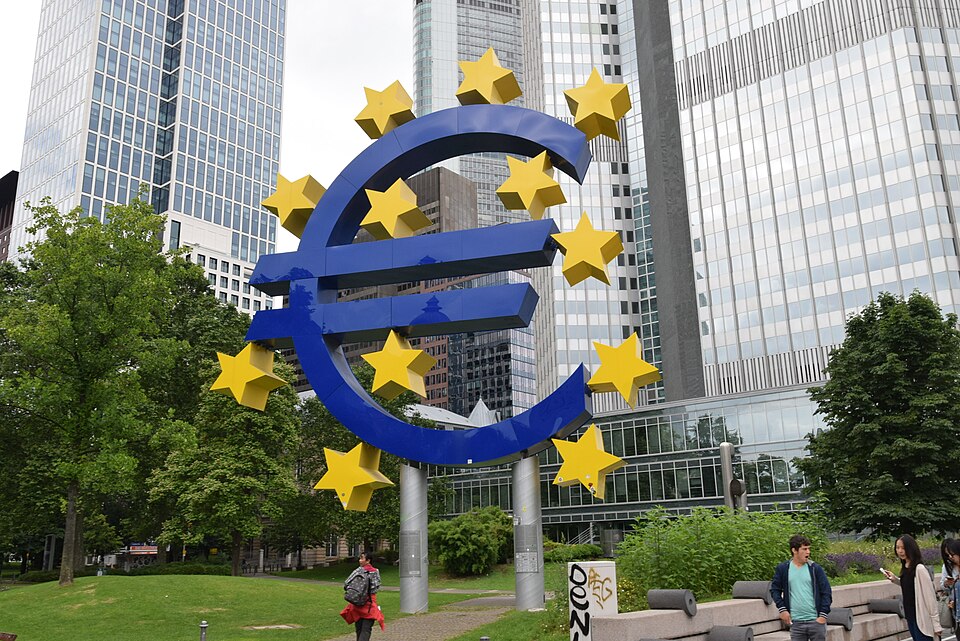
Overall, the latest figures suggest that Europe’s labour market entered 2026 on a relatively strong footing, with steady gains across most key indicators—even as risks to growth remain on the horizon. Photo by The First Class Travel Guide from United States of America, Wikimedia commons.