












Romania will not host nuclear weapons or related components on its territory in the foreseeable future, President Nicusor Dan said on Thursday, responding to a proposal by
Emmanuel Macron to strengthen Europe’s nuclear deterrence capabilities through closer cooperation with allied nations.
Earlier this week, Macron announced that France intends to expand its nuclear deterrent and is open to allowing European partners to host French warplanes capable of carrying nuclear weapons as part of joint security missions. The proposal is part of a broader effort to reinforce Europe’s strategic defenses amid rising global tensions.
Speaking to reporters after an official visit to Warsaw, Dan emphasized that Romania remains protected under the nuclear umbrella provided by NATO through the United States. However, he stressed that such protection does not require nuclear weapons to be stationed on Romanian soil.
“Being under the NATO nuclear umbrella does not imply the presence of nuclear elements on Romanian territory,” Dan said. “In the medium term, hosting nuclear components is out of the question.”
Macron’s proposal comes as several European nations explore deeper cooperation on nuclear deterrence. France and Germany have already created a joint steering group to coordinate discussions on nuclear strategy and plan to begin concrete cooperation later this year.
According to Macron, several countries — including Greece, Poland, Netherlands, Belgium, Denmark, and Sweden — could participate in French nuclear war-game exercises. Romania confirmed earlier this week that it had also been invited to take part in discussions.
Although France and United Kingdom are the only nuclear-armed states in Europe, most European nations have historically relied on the United States’ nuclear deterrence as a cornerstone of transatlantic security.
Macron’s initiative also comes at a time of renewed debate about Europe’s defense capabilities. The Trump administration has repeatedly criticized European allies for what it sees as insufficient defense spending and limited readiness to defend the continent independently.
The discussion is further fueled by rising geopolitical tensions, particularly following military strikes by the United States and Israel against Iran, which have heightened concerns about global security and the stability of existing deterrence structures.
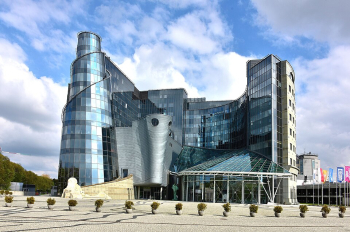
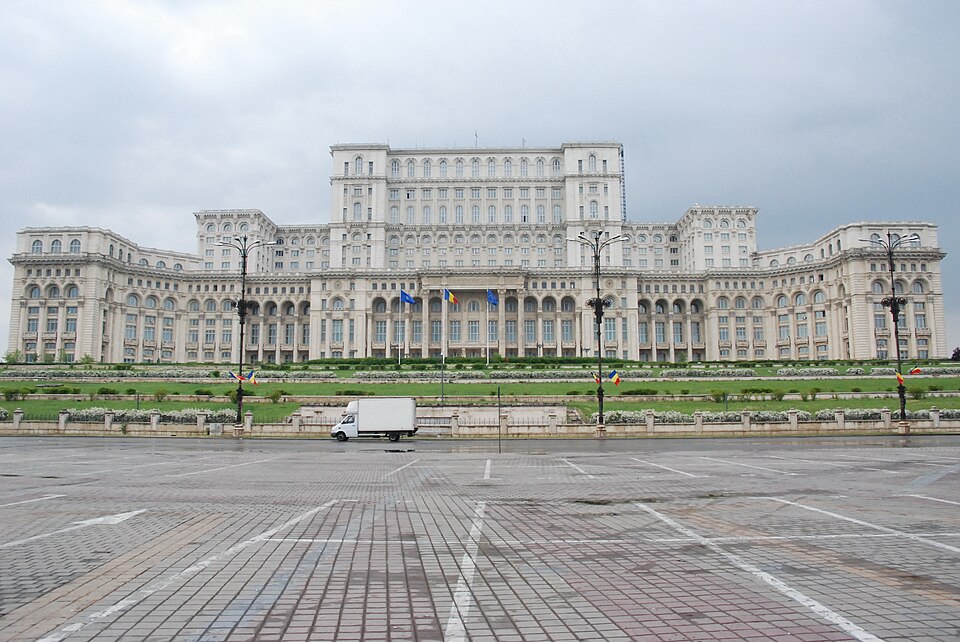
As Europe weighs new defense arrangements, Romania’s leadership appears determined to maintain its current security framework within NATO while avoiding the deployment of nuclear assets on its territory. Photo by George Groutas, Wikimedia commons.