















Digital public services are becoming the norm across Europe, with nearly three-quarters of EU residents now interacting with government institutions online. In 2025, 71.9% of
people aged 16 to 74 in the European Union used websites or mobile apps provided by public authorities, according to the latest data.
The figure represents a steady rise in digital engagement with government services, increasing by 1.9 percentage points compared with 2024 and 4.3 percentage points since 2022, when the EU began collecting comparable data on e-government usage.
Northern Europe leads in digital government
Adoption rates vary widely across the bloc. Denmark leads the EU, with an impressive 98% of residents using digital government services. It is closely followed by the Netherlands (96.2%), Finland (96.1%), and Sweden (96.0%), where online access to public services has become nearly universal.
At the other end of the spectrum, Romania recorded the lowest level of usage at 24.1%, highlighting ongoing challenges in digital access and public service modernization.*Bulgaria (36.0%) and Italy (57.7%) also reported comparatively low levels of e-government adoption.
Information and personal data access top online activities
The most common reason people turn to government websites and apps is to look up information about public services, including benefits, laws, or office opening hours. Around 44.2% of users reported using e-government platforms for this purpose.
Accessing personal administrative data ranked as the second most frequent activity, with 41.3% of users checking their records online. Meanwhile, 38.2% of citizens submitted tax declarations digitally, making tax filing the third most common use of e-government services.
From appointments to official documents
Europeans are also increasingly relying on digital platforms to handle routine administrative tasks. About 38.1% used online systems to schedule appointments or reservations, while 36.7% downloaded or printed official forms.
Other common uses include receiving official documents or communication from authorities (36.6%), requesting certificates or other official paperwork (20.8%), and accessing public databases or registers (20.7%).
A smaller share of users turned to digital public services to apply for benefits or entitlements (18.1%), while 5.7% used them to file requests, claims, or complaints.
Digital government continues to grow
The rising adoption of e-government platforms reflects the EU’s broader push toward digital transformation of public services, aiming to make administrative procedures faster, more transparent, and accessible across the bloc.
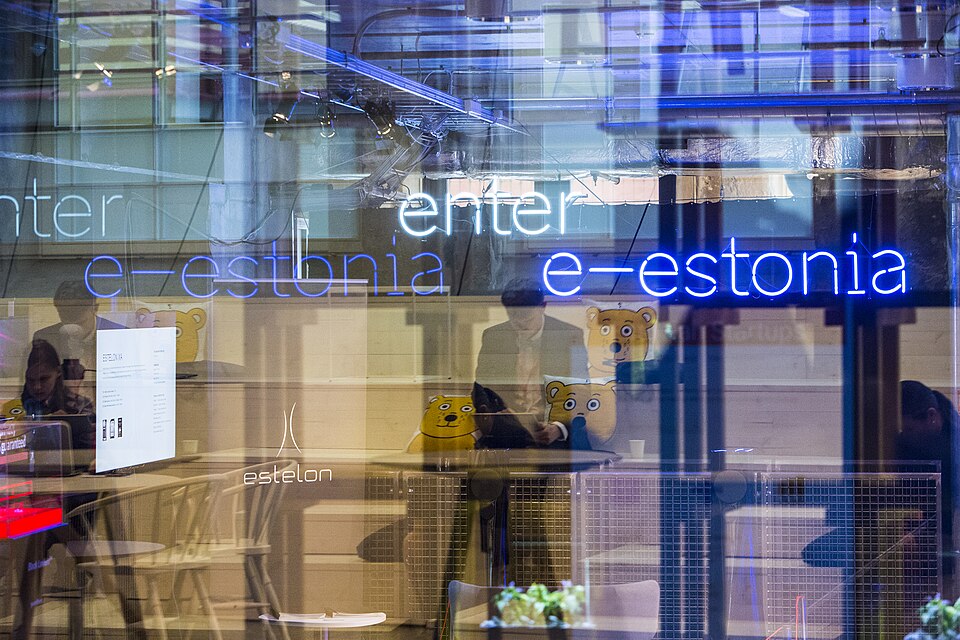
As more services move online and digital identification systems expand, usage rates are expected to continue growing—though bridging the digital divide between countries remains a key challenge for policymakers. Photo by EU2017EE Estonian Presidency, Wikimedia commons.