













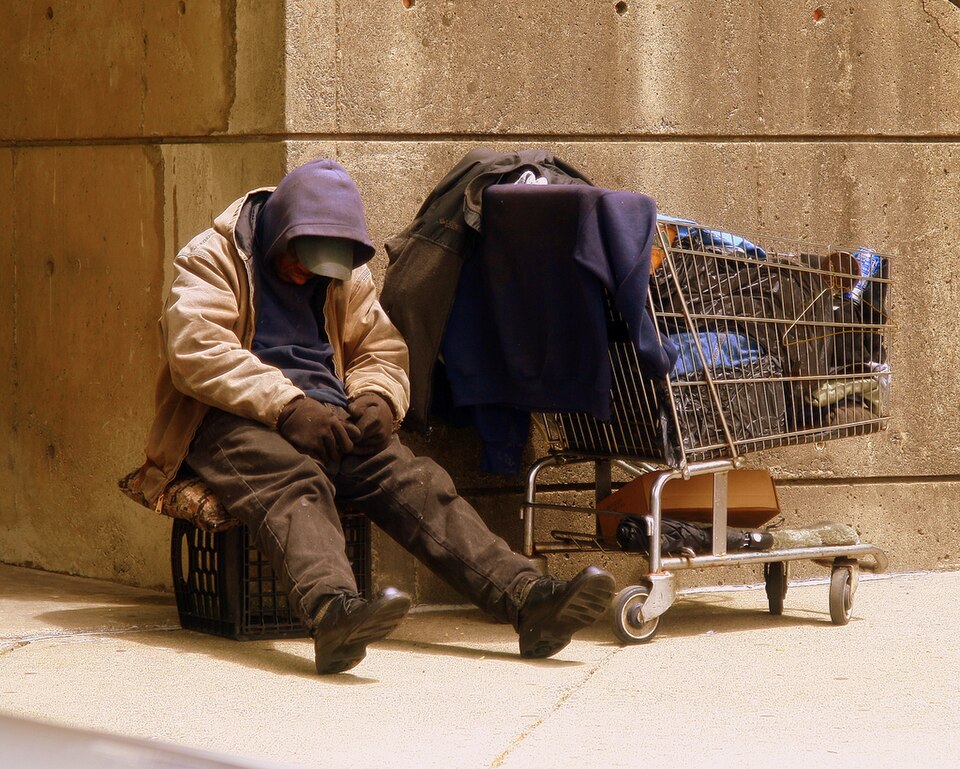
Nearly half a million people in Flanders were living below the poverty line in 2024, highlighting that financial hardship remains a reality for many despite gradual improvements in
recent years.
New data from Statistiek Vlaanderen shows that around 490,000 residents in the region were part of households with incomes below the poverty threshold last year. That represents 7.2% of the population, a noticeable drop from 9.7% recorded in 2019.
While the decline signals progress, poverty continues to affect hundreds of thousands of people. Even so, Flanders performs better than the national average. Across Belgium, about 11% of the population lives below the poverty line. The rate is significantly higher in Wallonia at 13%, and particularly severe in the Brussels region, where it reaches 23%.
Survey shows gradual improvement since 2019
The figures come from the EU-SILC survey (European Union Statistics on Income and Living Conditions), conducted last year using income data from 2024. The methodology used for the survey was substantially revised in 2019, which makes comparisons with earlier data difficult. However, the trend since that change clearly shows a decline in the risk of poverty.
Who faces the highest risk
Despite the overall decrease, certain groups remain far more vulnerable than others.
People born outside the European Union face the highest poverty risk at 27%, closely followed by unemployed individuals at 26%. Single-parent families also remain particularly exposed, with **18% living below the poverty threshold. Couples raising three children face a relatively high risk as well, at 16%.
Young people most affected
The data shows little difference between men and women, but age plays a significant role. Poverty is most common among young people aged 0–24.
By contrast, the situation for older residents has improved. Among people aged 65 and over, the poverty rate dropped sharply between 2019 and 2025—from 12.8% to 7.6%.
Housing and education make a difference
Housing status also strongly influences financial security. Tenants face a much higher poverty risk, with 17% living below the poverty line, compared with just 5% of homeowners.
Education shows a similar divide. Only 4% of highly educated individuals fall below the poverty threshold, while the rate rises to 13% among people with lower levels of education.
Regional differences within Flanders
The risk of poverty also varies across the region’s provinces. The highest rate is found in Antwerp Province at 10%, followed by Limburg with 7%.
Meanwhile, East Flanders, West Flanders and Flemish Brabant each report poverty rates of around 6%.
Despite the downward trend, the latest figures underline that poverty remains a persistent challenge, particularly for young people, migrants, renters and single-parent households across Flanders. Photo by Matthew Woitunski, Wikimedia commons.