















The European Union has approved a €21.5 million emergency support package for farmers in Bulgaria, Estonia and Hungary, following severe weather disruptions during the 2025
growing season.
EU Member States endorsed the European Commission’s proposal to mobilise funds from the bloc’s agricultural reserve, with Bulgaria set to receive €7.4 million, Estonia €3.3 million and Hungary €10.8 million. National governments may top up this support by up to 200% using domestic funds, significantly increasing the total assistance available to affected farmers.
Climate shocks devastate crops across three countries
The funding comes in response to a series of extreme climatic events that caused substantial agricultural losses across the three countries.
In Bulgaria, prolonged drought and intense heatwaves between mid-June and late August severely impacted key crops, particularly sunflower and maize, leading to reduced yields.
Estonian farmers, meanwhile, faced a difficult growing season marked by spring frost followed by persistently cold and wet conditions. This combination damaged a wide range of crops, including spring wheat, barley, peas, rapeseed, potatoes, as well as fruit and vegetables.
Hungary experienced extreme heat and water shortages over the summer months, creating intense heat stress for crops such as sweetcorn, melons, sorghum and maize, further compounding production losses.
Funds to be distributed by September 2026
National authorities in the three countries are required to distribute the aid by 30 September 2026. They must also ensure that the financial support directly benefits farmers.
In addition, governments must report to the European Commission on how the funds are allocated. This includes detailing the criteria used to grant aid, expected impacts, monthly payment forecasts and any additional national support. Measures must also be designed to prevent market distortion and avoid overcompensation.
### Next steps in the process
Following Member State approval, the European Commission will formally adopt the measure. It will then be published in the Official Journal of the European Union and enter into force the following day, allowing immediate implementation.
How this fits into EU agricultural policy
This emergency funding is part of the European Union’s broader Common Agricultural Policy (CAP) 2023–2027, the EU’s main framework for supporting farmers, ensuring food security and promoting sustainable agriculture.
A key feature of the CAP is the 'agricultural reserve', which allocates €450 million annually to respond to crises such as market disruptions or extreme weather events. The reserve has become increasingly important as climate change leads to more frequent droughts, floods and temperature extremes across Europe.
Beyond crisis aid, the CAP also focuses on:
- Climate resilience: encouraging farmers to adopt practices that reduce vulnerability to extreme weather, such as crop diversification and water management systems
- Risk management tools: including insurance schemes and mutual funds to help farmers cope with income losses
- Environmental sustainability: linking subsidies to eco-friendly practices under so-called “eco-schemes”
- Rural development: supporting innovation, infrastructure and long-term competitiveness in rural areas
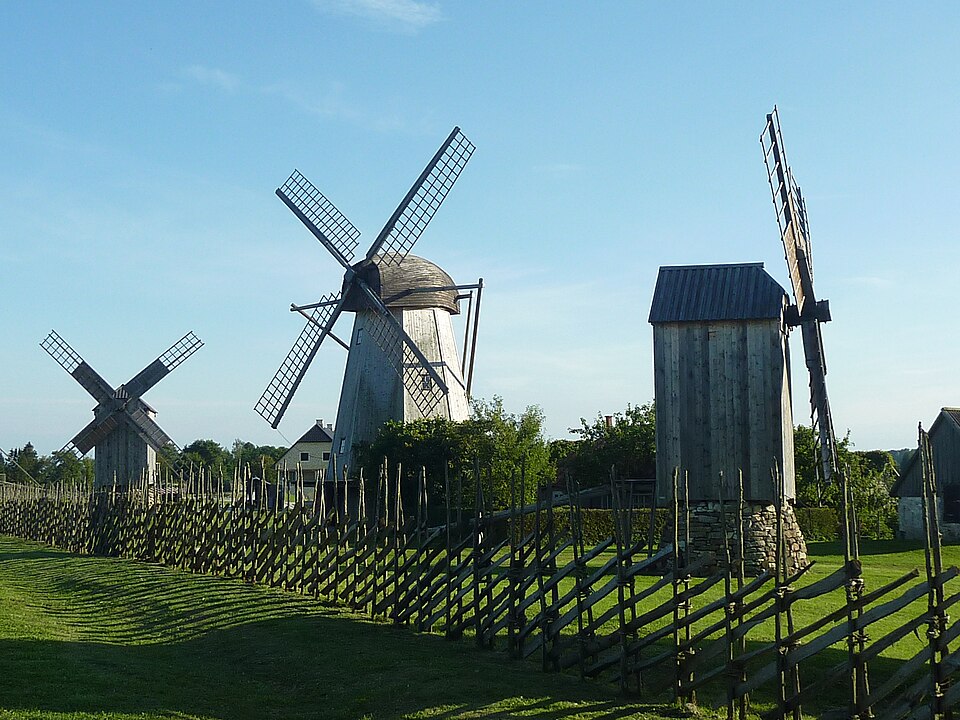
The latest aid package highlights a growing shift in EU policy—from reactive crisis support toward building long-term resilience in the agricultural sector. Policymakers are increasingly emphasising prevention, adaptation and smarter risk management as climate volatility becomes the “new normal” for European farmers. Photo by Pimpampoum, Wikimedia commons.