














The European Commission has approved a €411 million capital injection by the Croatian government into Hrvatska Banka za Obnovu i Razvitak (HBOR), marking a significant
step in strengthening the country’s economic resilience and long-term competitiveness.
Funded through the EU’s Recovery and Resilience Facility (RRF), the investment is designed to expand HBOR’s role beyond traditional financing. The state-owned development bank will now play a more active part in supporting small and medium-sized enterprises (SMEs), renewable energy projects, and critical infrastructure—sectors seen as essential to Croatia’s sustainable future.
A broader mandate for growth
With fresh capital in place, HBOR is expected to sharpen its focus on projects that accelerate digital transformation and the transition to a greener economy. This includes financing eco-friendly technologies, improving regional connectivity, and even supporting the development of Croatia’s defence industry.
The move reflects a broader EU strategy to channel public funding into innovation-driven sectors while promoting social inclusion and environmental sustainability. By targeting underserved areas of the market, HBOR aims to bridge financing gaps that private institutions often hesitate to fill.
Why the EU approved the measure
The Commission assessed the plan under EU State aid rules, specifically Article 107(3)(c) of the Treaty on the Functioning of the European Union. Its conclusion: the measure meets the criteria for supporting economic development without unfairly distorting competition.
Key to the approval was the finding that the funding would have a clear “incentive effect”—meaning HBOR would not be able to undertake many of these investments without public backing. At the same time, safeguards are in place to ensure the bank does not crowd out private lenders or gain an unfair advantage in the financial market.
Croatia has committed to limiting HBOR’s activities to areas where market failures exist and to maintaining fair competition with private sector institutions.
The bigger picture: what is HBOR?
Founded in 1992, Hrvatska Banka za Obnovu i Razvitak is Croatia’s national development and export bank. Its core mission has been to support reconstruction, economic development, and export promotion, particularly in sectors that struggle to access commercial financing.
Over the years, HBOR has become a key policy tool for the Croatian government, offering favorable loans, guarantees, and insurance products. With this new capital injection, the bank is set to evolve further—aligning its operations with EU priorities such as green transition, digitalisation, and strategic autonomy.
A coordinated EU effort
The funding stems from Croatia’s national recovery plan under the RRF, a central pillar of the EU’s post-pandemic economic strategy. All such measures involving State aid must be reviewed and approved by the Commission to ensure compliance with competition rules.
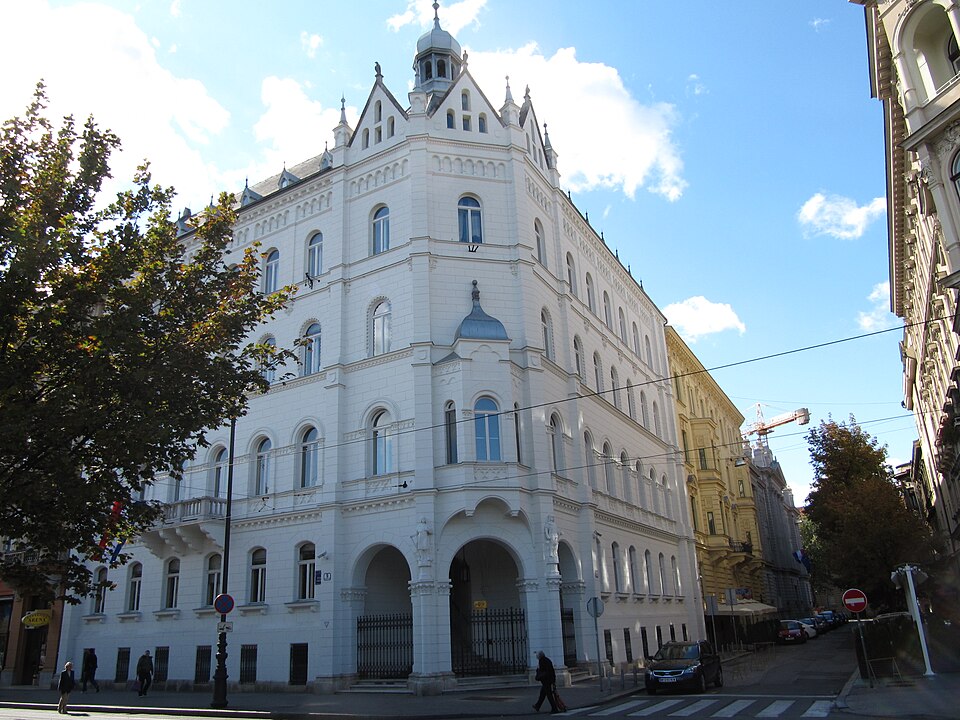
In this case, Brussels concluded that the benefits—boosting innovation, sustainability, and balanced regional growth—outweigh potential risks to market competition. Photo by Branko Radovanović, Wikimedia commons.