













Inflation across the euro area picked up pace in March, reaching an estimated 2.5% year-on-year, according to a flash estimate released by Eurostat. The figure marks a sharp
increase from February’s 1.9%, signaling renewed price pressures in the bloc after several months of moderation.
The rebound was driven largely by a dramatic turnaround in energy prices. After months of decline, energy inflation is to climb to 4.9% in March, compared with -3.1% in February. On a monthly basis, energy prices alone are estimated to have surged by 6.8%, highlighting their outsized role in the overall inflation uptick.
Beyond energy, price trends were more mixed. Services inflation — a key indicator closely watched by policymakers — edged down slightly to 3.2% from 3.4% in February, suggesting some easing in underlying domestic pressures. Meanwhile, inflation for food, alcohol and tobacco continued its gradual decline, slipping to 2.4% from 2.5%.
Prices for non-energy industrial goods also softened, rising just 0.5% year-on-year, down from 0.7% the previous month. This points to weakening demand and easing supply chain pressures in the goods sector.
Core inflation measures, which exclude more volatile components like energy and food, remained relatively stable. Inflation excluding energy stood at 2.3%, while the broader core measure — excluding energy, food, alcohol and tobacco — came in at 2.3% as well. These figures suggest that while headline inflation has accelerated, underlying price dynamics are not heating up at the same pace.
Across individual euro area countries, inflation trends varied widely. Among the largest economies, Germany saw inflation rise to 2.8%, while Spain and Ireland recorded higher rates at 3.3% and 3.6% respectively. France remained on the lower end, with inflation estimated at 1.9%, though still notably higher than February’s 1.1%.
Some smaller economies experienced sharper increases. Lithuania and Croatia reported among the highest inflation rates, at 4.5% and 4.7% respectively. In contrast, Italy and Cyprus maintained relatively subdued inflation at around 1.5%.
The latest figures underscore the uneven nature of inflation across the eurozone and the continued sensitivity of headline rates to energy price swings. With energy costs once again rising, the outlook for inflation in the coming months may depend heavily on developments in global energy markets.
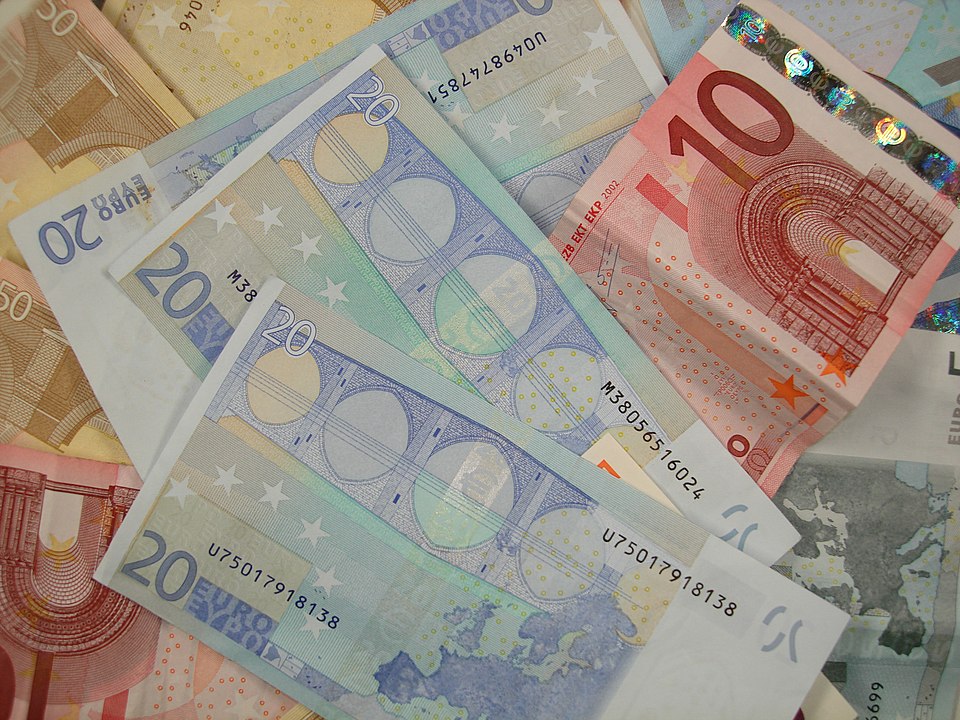
For policymakers, particularly at the European Central Bank, the data presents a mixed picture: headline inflation is moving further from the 2% target, but underlying pressures appear more contained — at least for now. Photo by Lionel Allorge, Wikimedia commons.