














In a significant step toward strengthening regional alliances, Volodymyr Zelensky announced new commitments to security cooperation with Syria following high-level talks in
Damascus on Sunday.
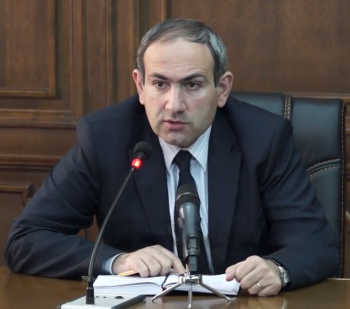
The Ukrainian leader, continuing a diplomatic tour across the Middle East, met with Syria’s interim president Ahmed al-Sharaa to discuss a broad agenda that reflects Kyiv’s growing ambitions beyond Europe.
“We agreed to work together to provide more security and opportunities for development for our societies,” Zelensky said in a public statement.
The meeting expanded into trilateral discussions that included Hakan Fidan, highlighting the increasingly interconnected nature of regional security concerns. According to Zelensky, the talks covered everything from defense cooperation and regional instability linked to Iran, to energy collaboration and infrastructure development.
Ukraine has been actively promoting its battlefield-tested expertise—particularly in countering drone and missile threats—developed during its ongoing war with Russia. Kyiv now sees an opportunity to export this knowledge to Middle Eastern partners facing similar risks.
The urgency of such cooperation has grown amid escalating tensions involving Iran and its regional allies, which have intensified attacks on U.S.-aligned targets.
Syria, notably, lacks advanced air defense systems capable of intercepting modern drone and missile threats—making Ukrainian support particularly relevant.
Food security and economic cooperation
Beyond military matters, Zelensky emphasized Ukraine’s role as a global agricultural powerhouse. He underscored Kyiv’s readiness to support food security in the region, positioning Ukraine as a dependable grain supplier.
Foreign Minister Andrii Sybiha described the visit as a “milestone,” noting that discussions also touched on maritime trade and broader economic cooperation.
Zelensky’s regional push has included recent agreements with Turkey, where he met President Recep Tayyip Erdoğan to advance joint energy and gas infrastructure projects. Similar long-term defense deals have already been signed with Gulf nations, with more reportedly in progress.
This visit marks Zelensky’s first trip to Syria since diplomatic relations were restored in September 2025, following the fall of former Syrian leader Bashar al-Assad in late 2024.
Syria remains strategically important, not least because it hosts two major Russian military bases—facilities that Damascus has suggested could eventually be repurposed into national training centers.
Historical context: Ukraine–Syria relations
Relations between Ukraine and Syria have historically been limited and often shaped by broader geopolitical alignments.
- Soviet Legacy: During the Cold War, Syria was closely aligned with the Soviet Union. After Ukraine gained independence in 1991, it inherited some diplomatic ties but lacked deep bilateral engagement.
- Strained Ties (2014–2022): Relations deteriorated significantly after Syria recognized Russia-backed separatist regions in eastern Ukraine. Kyiv responded by severing diplomatic relations in 2022.
Turning Point (2024–2025): The Bashar al-Assad’s government in 2024 created an opening for renewed engagement. Ukraine restored diplomatic ties in 2025, aiming to counter Russian influence and expand its global partnerships.
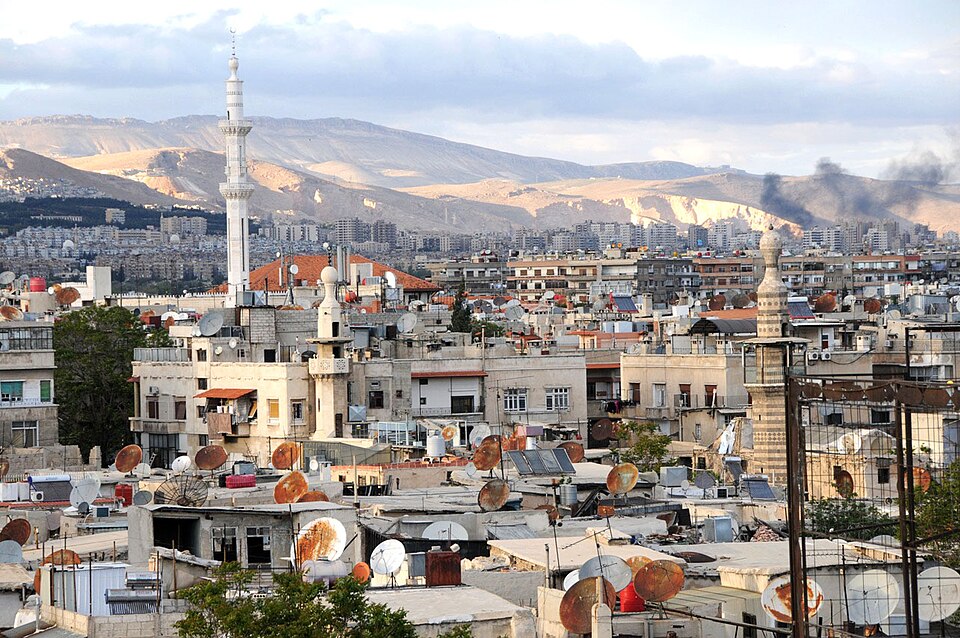
- Current Phase: Today’s cooperation reflects a pragmatic shift. Ukraine is leveraging its wartime experience and agricultural strength, while Syria seeks reconstruction support and diversified alliances beyond Moscow. Photo by anjči from London, UK, wikimedia commons.