
Latest News
Statement by von der Leyen and Costa on opening first accession cluster for Ukraine and Moldova
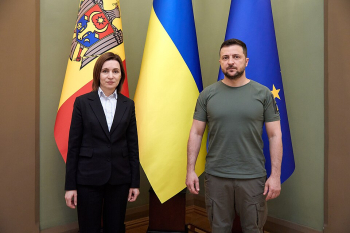 Statement by von der Leyen and Costa on opening first accession cluster for Ukraine and Moldova
Social media adoption climbs across EU firms, led by Nordic and Baltic frontrunners
 Social media adoption climbs across EU firms, led by Nordic and Baltic frontrunners
Sweden retreats from plan to jail 13-year-olds as it moves to toughen youth crime laws
 Sweden retreats from plan to jail 13-year-olds as it moves to toughen youth crime laws
EU and Brazil elevate digital cooperation with new strategic partnership signed in Brasília
 EU and Brazil elevate digital cooperation with new strategic partnership signed in Brasília
Flemish universities to lead development of AI guidelines for schools under €10 million government plan
 Flemish universities to lead development of AI guidelines for schools under €10 million government plan
UK, Australia and Canada pledge joint peace fund to support grassroots Israeli-Palestinian reconciliation efforts
 UK, Australia and Canada pledge joint peace fund to support grassroots Israeli-Palestinian reconciliation efforts
Germany and France abandon flagship joint fighter jet programme after years of deadlock
 Germany and France abandon flagship joint fighter jet programme after years of deadlock
EU migration and asylum pact enters into force across Member States, marking major overhaul of European border policy
 EU migration and asylum pact enters into force across Member States, marking major overhaul of European border policy
Five EU founding states push for tighter controls on voting rights in future enlargement
 Five EU founding states push for tighter controls on voting rights in future enlargement
EU and Republic of Korea launch new era of strategic cooperation at 11th Summit
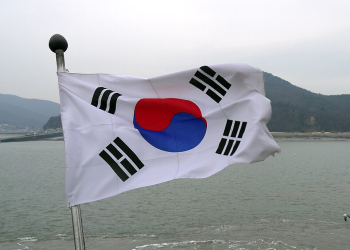 EU and Republic of Korea launch new era of strategic cooperation at 11th Summit
The European Union and the Republic of Korea today elevated their strategic partnership during the 11th EU–Republic of Korea...
Must Read
-
 Zurich introduces Eruv, creating a Sabbath-friendly public zone for Jewish life
Zurich has quietly drawn a new kind of line across the city — one that cannot be seen at first glance, yet carries deep religious and social meaning. Spanning severalRead More...
Zurich introduces Eruv, creating a Sabbath-friendly public zone for Jewish life
Zurich has quietly drawn a new kind of line across the city — one that cannot be seen at first glance, yet carries deep religious and social meaning. Spanning severalRead More... -
 Zurab Musinyan: “Let my case lie at door of Russian special services combating international terrorism…”
Specialized Oil-Loading Seaport Vitino captured by Russian security officials through hostage taking keeps on being a subject of carve-up and litigations by Russian and international companies....Read More...
Zurab Musinyan: “Let my case lie at door of Russian special services combating international terrorism…”
Specialized Oil-Loading Seaport Vitino captured by Russian security officials through hostage taking keeps on being a subject of carve-up and litigations by Russian and international companies....Read More... -
 Young Europeans losing faith in democracy
Recent findings from a comprehensive survey conducted by the YouGov institute for the Tui Foundation reveal a concerning trend among Europe’s youth: a growingRead More...
Young Europeans losing faith in democracy
Recent findings from a comprehensive survey conducted by the YouGov institute for the Tui Foundation reveal a concerning trend among Europe’s youth: a growingRead More... -
 Young Europeans lead the way in digital civic participation
As Europe becomes increasingly digital, young people are stepping up as the most active voices in online civic and political life. In 2025, nearly a quarter (24.3%) of EuropeansRead More...
Young Europeans lead the way in digital civic participation
As Europe becomes increasingly digital, young people are stepping up as the most active voices in online civic and political life. In 2025, nearly a quarter (24.3%) of EuropeansRead More... -
 World Refugee Day: Joint Statement by the European Commission and the High Representative
No country, no region in the world has been spared from the impact of COVID-19. The virus is exacerbating existing inequalities and has a disproportionate effect on refugees,Read More...
World Refugee Day: Joint Statement by the European Commission and the High Representative
No country, no region in the world has been spared from the impact of COVID-19. The virus is exacerbating existing inequalities and has a disproportionate effect on refugees,Read More... -
 World peace under strain — yet some countries still shine
As a storm of conflicts, rising militarisation and geopolitical fragmentation rattles the globe, the annual Global Peace Index 2025 paints a soberingRead More...
World peace under strain — yet some countries still shine
As a storm of conflicts, rising militarisation and geopolitical fragmentation rattles the globe, the annual Global Peace Index 2025 paints a soberingRead More... -
 Women still a minority among Flemish professors despite gains elsewhere
Women account for just one in three professors and visiting professors at Flemish universities, according to new figures released on Tuesday by Statistiek Vlaanderen.Read More...
Women still a minority among Flemish professors despite gains elsewhere
Women account for just one in three professors and visiting professors at Flemish universities, according to new figures released on Tuesday by Statistiek Vlaanderen.Read More...
Latest News
Statement by von der Leyen and Costa on opening first accession cluster for Ukraine and Moldova
Statement by von der Leyen and Costa on opening first accession cluster for Ukraine and Moldova
Social media adoption climbs across EU firms, led by Nordic and Baltic frontrunners
Social media adoption climbs across EU firms, led by Nordic and Baltic frontrunners
Sweden retreats from plan to jail 13-year-olds as it moves to toughen youth crime laws
Sweden retreats from plan to jail 13-year-olds as it moves to toughen youth crime laws
EU and Brazil elevate digital cooperation with new strategic partnership signed in Brasília
EU and Brazil elevate digital cooperation with new strategic partnership signed in Brasília
Flemish universities to lead development of AI guidelines for schools under €10 million government plan
Flemish universities to lead development of AI guidelines for schools under €10 million government plan
UK, Australia and Canada pledge joint peace fund to support grassroots Israeli-Palestinian reconciliation efforts
UK, Australia and Canada pledge joint peace fund to support grassroots Israeli-Palestinian reconciliation efforts
Germany and France abandon flagship joint fighter jet programme after years of deadlock
Germany and France abandon flagship joint fighter jet programme after years of deadlock
EU migration and asylum pact enters into force across Member States, marking major overhaul of European border policy
EU migration and asylum pact enters into force across Member States, marking major overhaul of European border policy
Five EU founding states push for tighter controls on voting rights in future enlargement
Five EU founding states push for tighter controls on voting rights in future enlargement
EU and Republic of Korea launch new era of strategic cooperation at 11th Summit
EU and Republic of Korea launch new era of strategic cooperation at 11th Summit
The European Union and the Republic of Korea today elevated their strategic partnership during the 11th EU–Republic of Korea...
Must Read
-
Zurich introduces Eruv, creating a Sabbath-friendly public zone for Jewish life
Zurich has quietly drawn a new kind of line across the city — one that cannot be seen at first glance, yet carries deep religious and social meaning. Spanning severalRead More...
-
Zurab Musinyan: “Let my case lie at door of Russian special services combating international terrorism…”
Specialized Oil-Loading Seaport Vitino captured by Russian security officials through hostage taking keeps on being a subject of carve-up and litigations by Russian and international companies....Read More...
-
Young Europeans losing faith in democracy
Recent findings from a comprehensive survey conducted by the YouGov institute for the Tui Foundation reveal a concerning trend among Europe’s youth: a growingRead More...
-
Young Europeans lead the way in digital civic participation
As Europe becomes increasingly digital, young people are stepping up as the most active voices in online civic and political life. In 2025, nearly a quarter (24.3%) of EuropeansRead More...
-
World Refugee Day: Joint Statement by the European Commission and the High Representative
No country, no region in the world has been spared from the impact of COVID-19. The virus is exacerbating existing inequalities and has a disproportionate effect on refugees,Read More...
-
World peace under strain — yet some countries still shine
As a storm of conflicts, rising militarisation and geopolitical fragmentation rattles the globe, the annual Global Peace Index 2025 paints a soberingRead More...
-
Women still a minority among Flemish professors despite gains elsewhere
Women account for just one in three professors and visiting professors at Flemish universities, according to new figures released on Tuesday by Statistiek Vlaanderen.Read More...
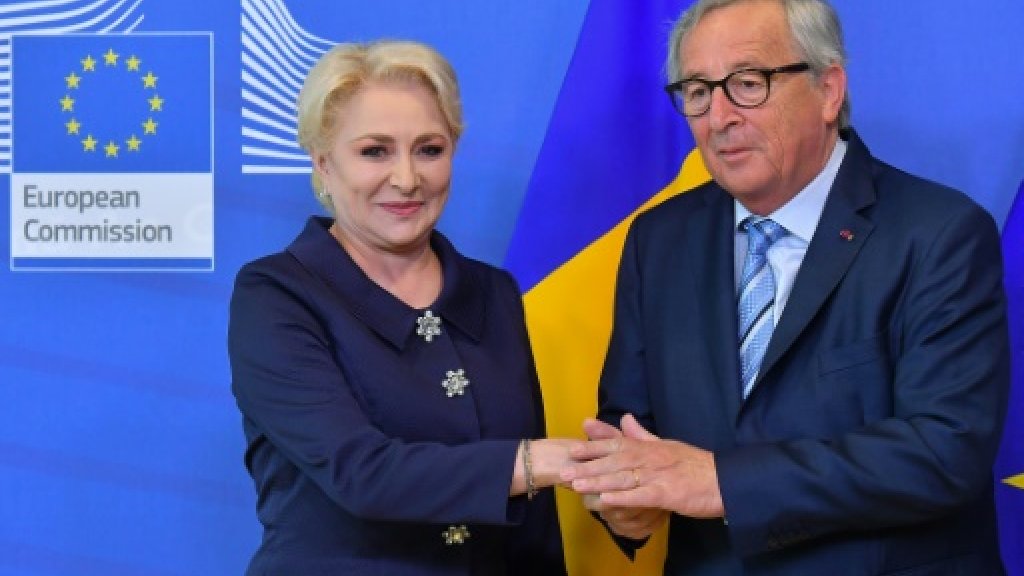
The European Commission on Tuesday welcomed Romania's pledge to renounce controversial judicial reforms that had triggered strong criticism and
Read more: EU praises Romanian U-turn on controversial reforms

Prime Minister Theresa May on Tuesday urged whoever succeeds her to get Britain out of the EU quickly but with a deal, as she met the bloc's leaders just
Read more: In Brussels, May urges successor to seek Brexit deal

As up to 400 million Europeans prepare to vote for the EU parliament, the populist challenge to the Brussels consensus has been disrupted by scandal.

Europe's mainstream political parties took a hit in elections on Sunday but held off a strong surge by the populist right of Marine Le Pen, Matteo Salvini and Nigel Farage.
Read more: Battered EU centre holds off populist surge in vote

Facebook has closed 23 mostly pro-government pages in Italy which were spreading fake news and anti-immigrant content, after an investigation by Avaaz, the civil rights group said on Monday.
More than half of the pages, which had a total of almost 2.5 million followers, supported the far-right anti-immigrant League party or the anti-establishment Five Star Movement, which form the ruling coalition, Avaaz said in a statement.
The most active page translates as "We want the Five Star Movement in government" which had shared a quote wrongly attributed to anti-mafia writer Roberto Saviano that he would "prefer to save migrants than Italian earthquake victims."
Saviano was forced to publicly deny having said it.
A pro-League page shared a video which it wrongly said depicted migrants smashing up a police car.
The footage was in fact filmed for a movie, but was viewed almost 10 million times, days ahead of next week's European parliament elections in which Italian populist parties hope to do well.
"This is more proof that lies designed to sow hate and division in our societies are being spread deliberately on social media ahead of the EU elections," said Avaaz's Christoph Schott.
"Facebook has done a good job in taking these pages down, but it says a lot that a multi-billion dollar company is relying on a crowd-funded Avaaz investigation to defend Europe’s democracy. Facebook need to do more, and they need to do it fast."
Avaaz also noted the practice of "recycling followers" used by some supporters of the two ruling parties, whereby a page with non-political content changes its name to become political or partisan, retaining likes and followers.
One such page "was started as an agricultural breeders’ association of the Messina province and eventually became a League-supporting local chapter. The change was made one word at a time, gradually, using the ambiguity of the word 'League' to avoid the automatic checks carried out by Facebook," Avaaz said.
Facebook and other social networks are regularly accused of not doing enough to eliminate fake news from its platform.AFP