









Europe continues to depend heavily on foreign energy supplies, with new data highlighting just how deeply imports shape the continent’s energy landscape.
The latest 'Energy in Europe – 2026' interactive publication sheds light on key trends in energy production, consumption, and sourcing. A central takeaway is clear: despite ongoing efforts to diversify and expand renewables, the European Union remains significantly reliant on imported energy.
In 2024, oil and petroleum products dominated the EU’s energy imports, making up 67% of the total. Crude oil accounted for the largest portion within this category. Natural gas followed as the second-largest import at 24%, while solid fossil fuels such as coal contributed 4%. Electricity imports represented 3%, and renewable energy sources accounted for a modest 2%.
Looking at where these resources come from reveals a diverse but concentrated supply chain. The United States emerged as the leading supplier of oil and petroleum products, providing 16% of the EU’s imports in this category. Norway remained the primary source of natural gas, accounting for 30%, while Australia led in solid fossil fuel exports to the EU, supplying 31%—mainly coal.
Overall, the EU’s energy import dependency rate stood at 57% in 2024. In practical terms, this means that nearly six out of every ten units of energy consumed across the bloc originated from outside its borders.
However, this dependency is not evenly distributed among member states. Countries such as Malta (98%), Luxembourg (91%), and Cyprus (88%) are almost entirely reliant on imported energy. In contrast, Estonia reported a dependency rate of just 5%, while Sweden (27%) and Latvia (29%) also maintained relatively low levels of reliance on external sources.
The publication itself offers an interactive way to explore these figures, combining visualisations with concise analysis. Users can compare trends across countries and better understand how energy dynamics differ across the EU.
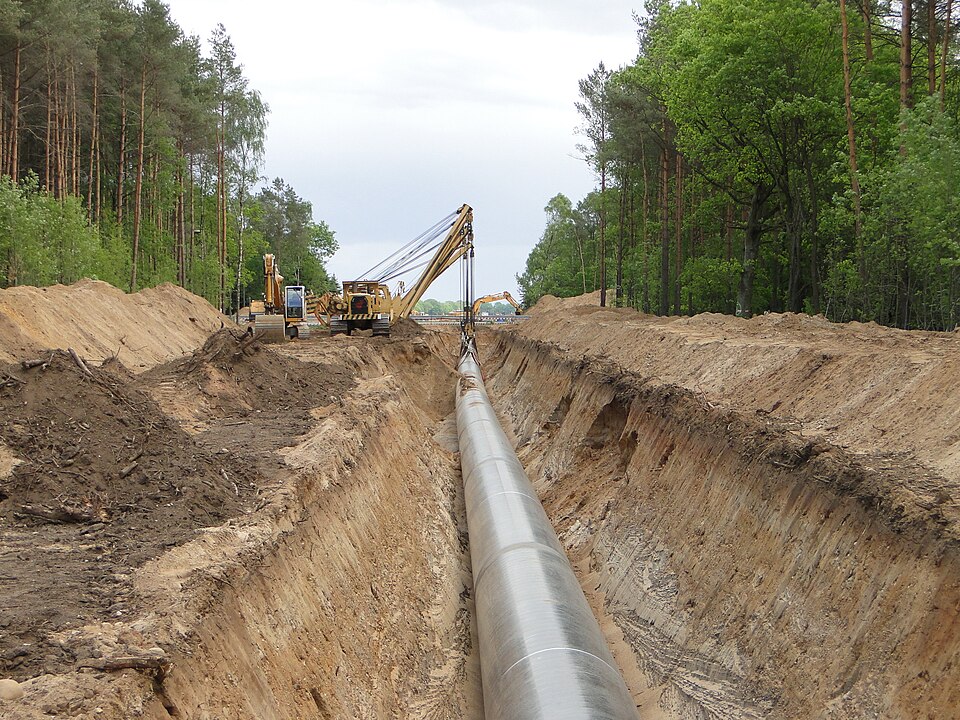
As Europe continues to navigate energy security challenges and accelerate its transition toward cleaner sources, the balance between domestic production and external dependency remains a critical issue. Photo by Niteshift (talk), Wikimedia commons.